
Last updated November 23, 2026
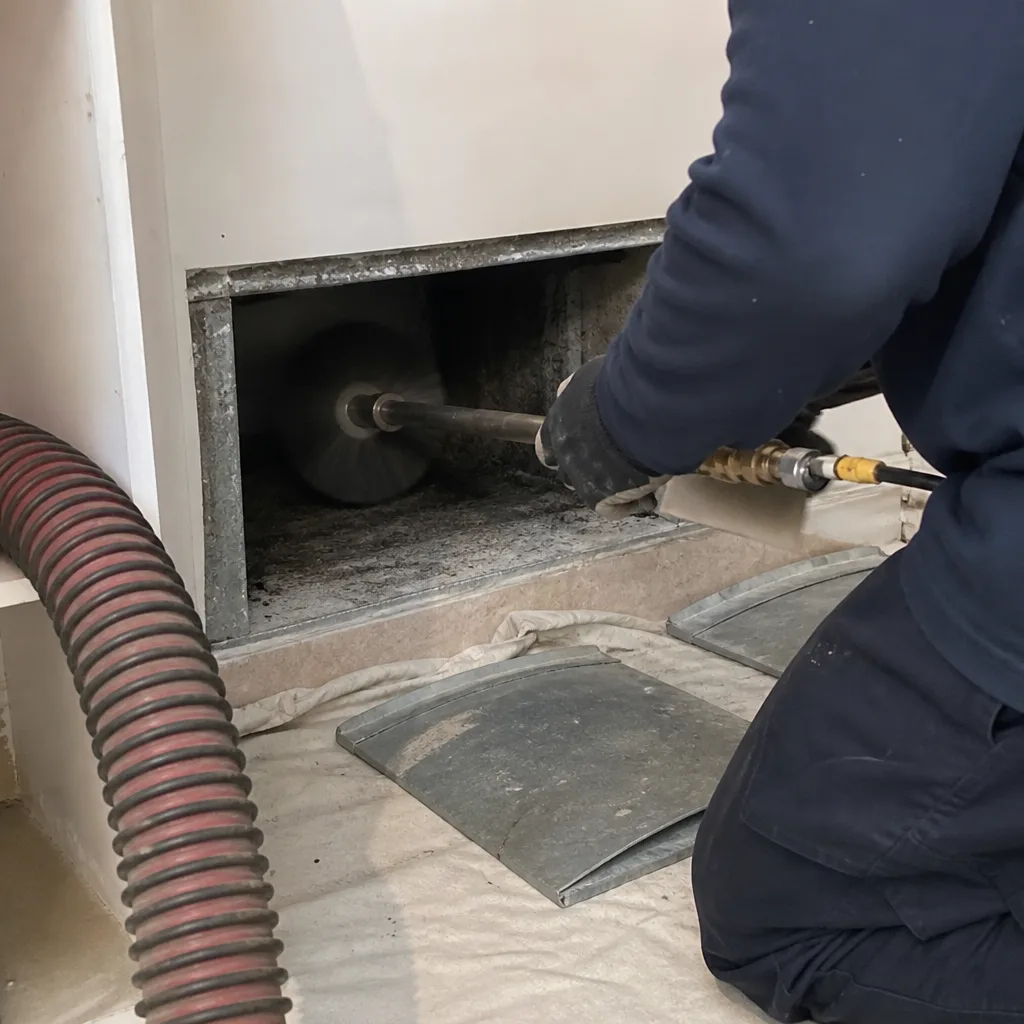
 Whole-home duct cleaning
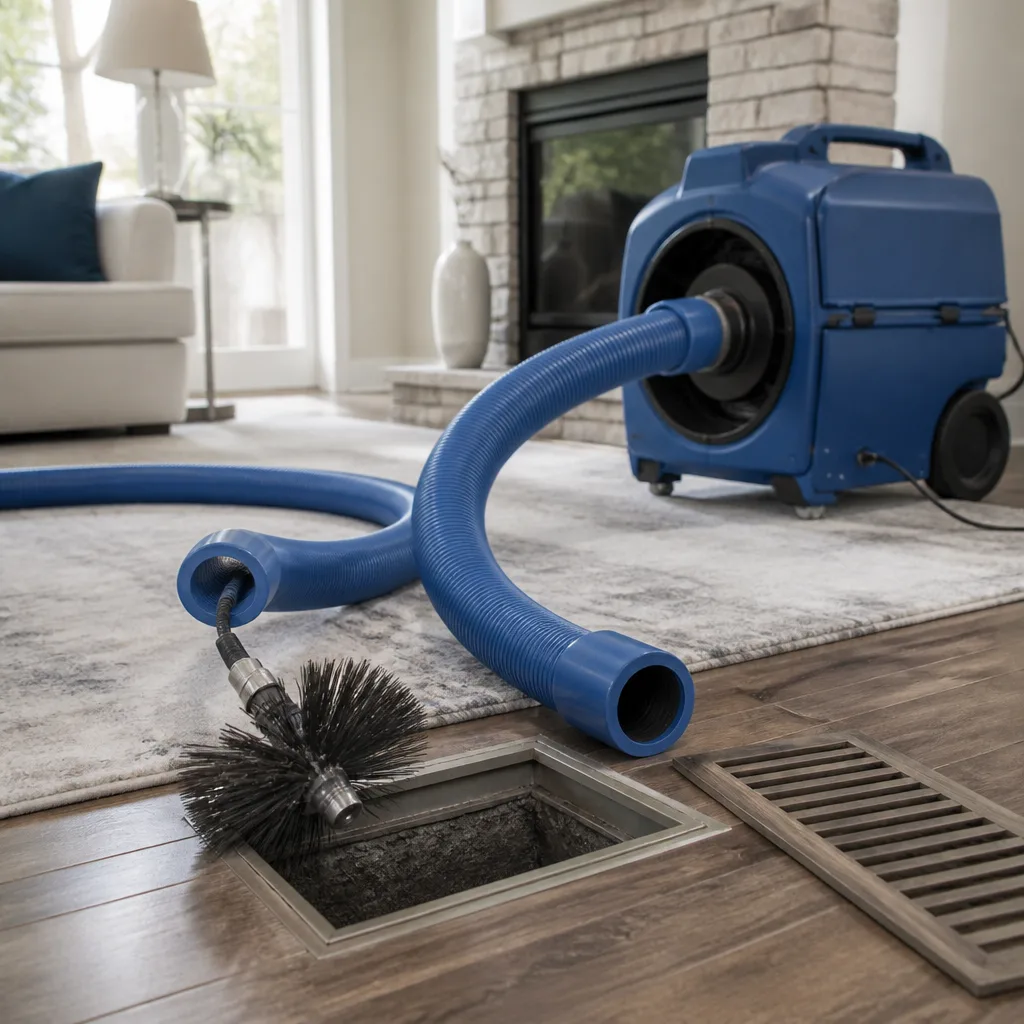
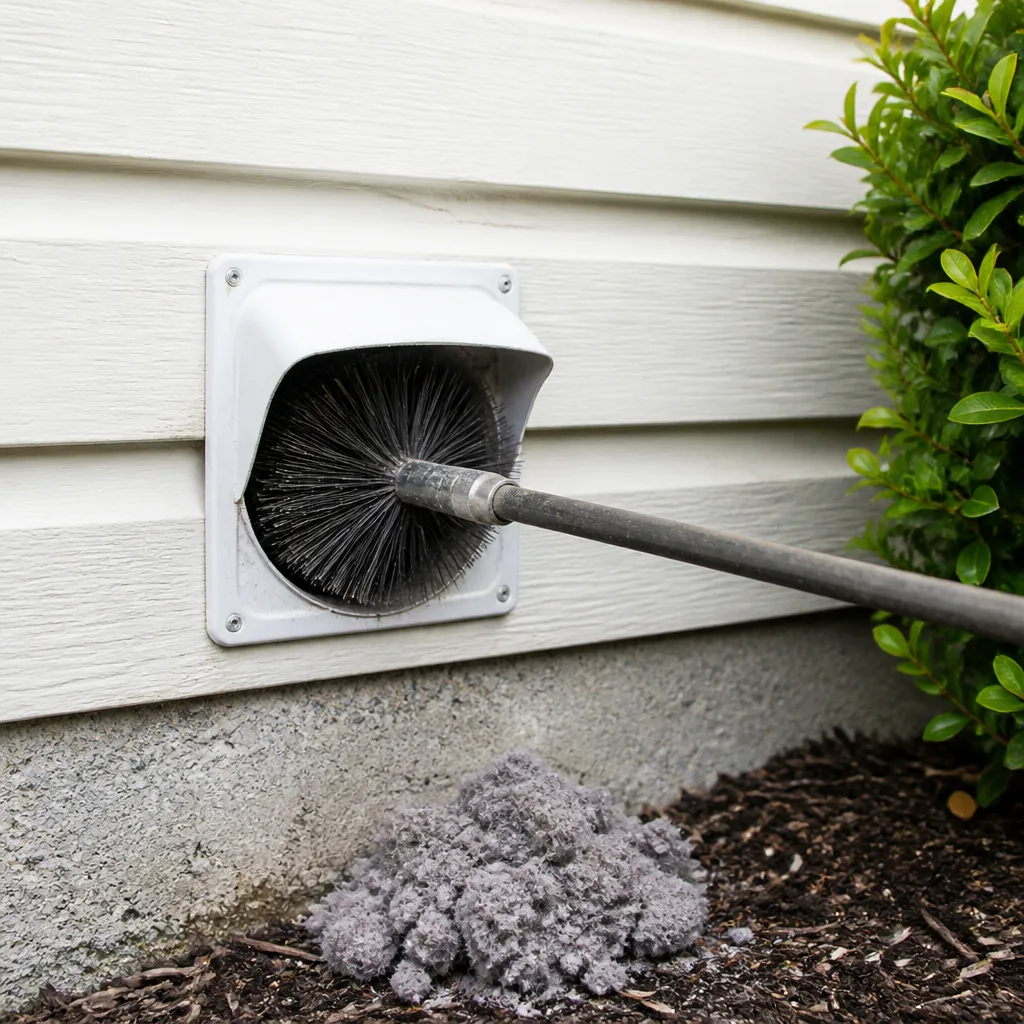 Dryer vent cleaning
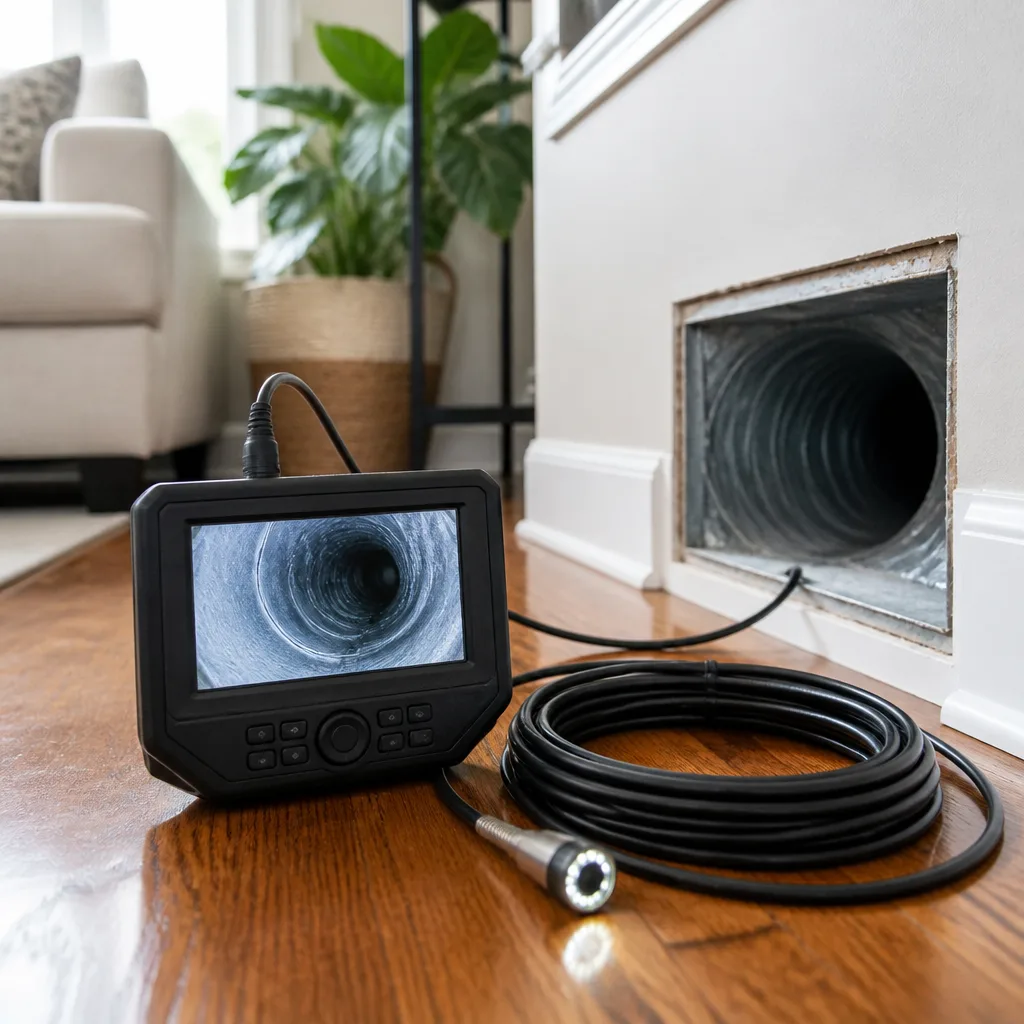 Camera inspection
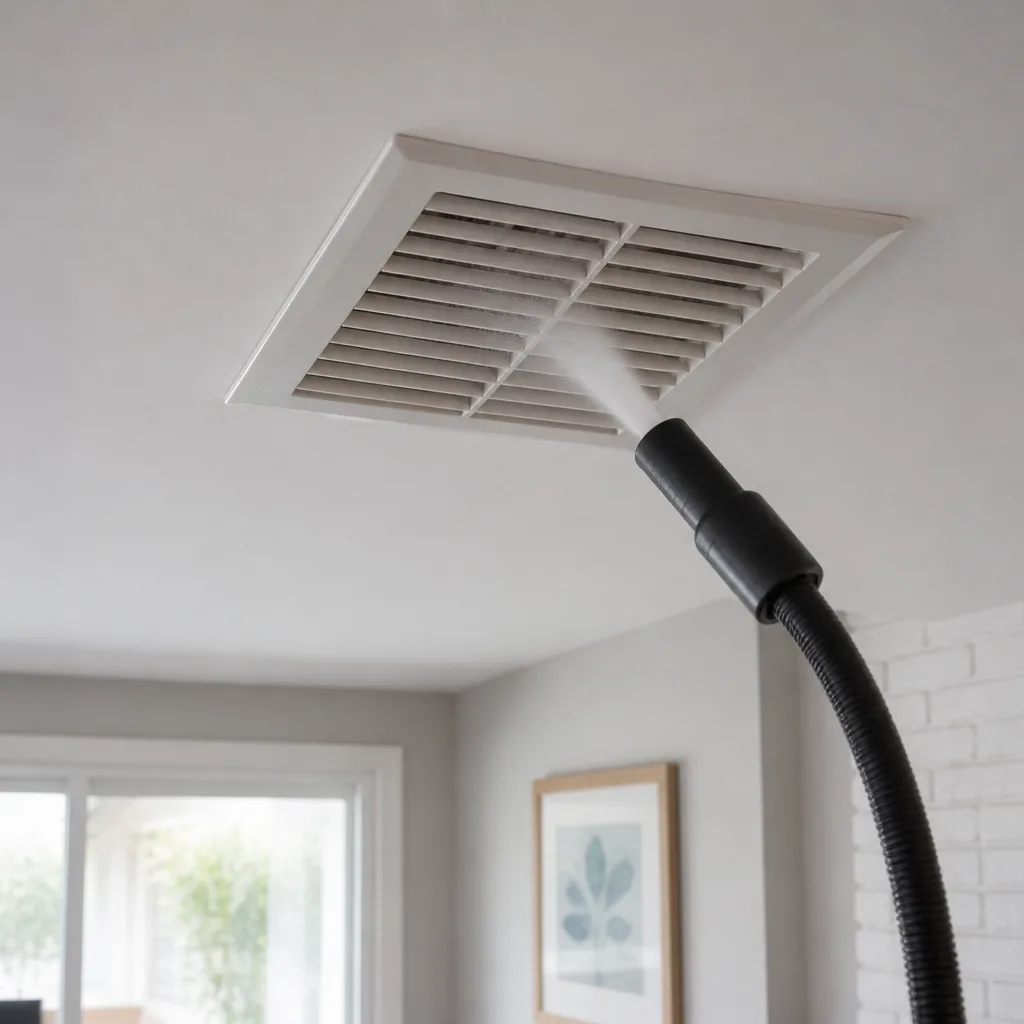 Sanitizing & deodorizing
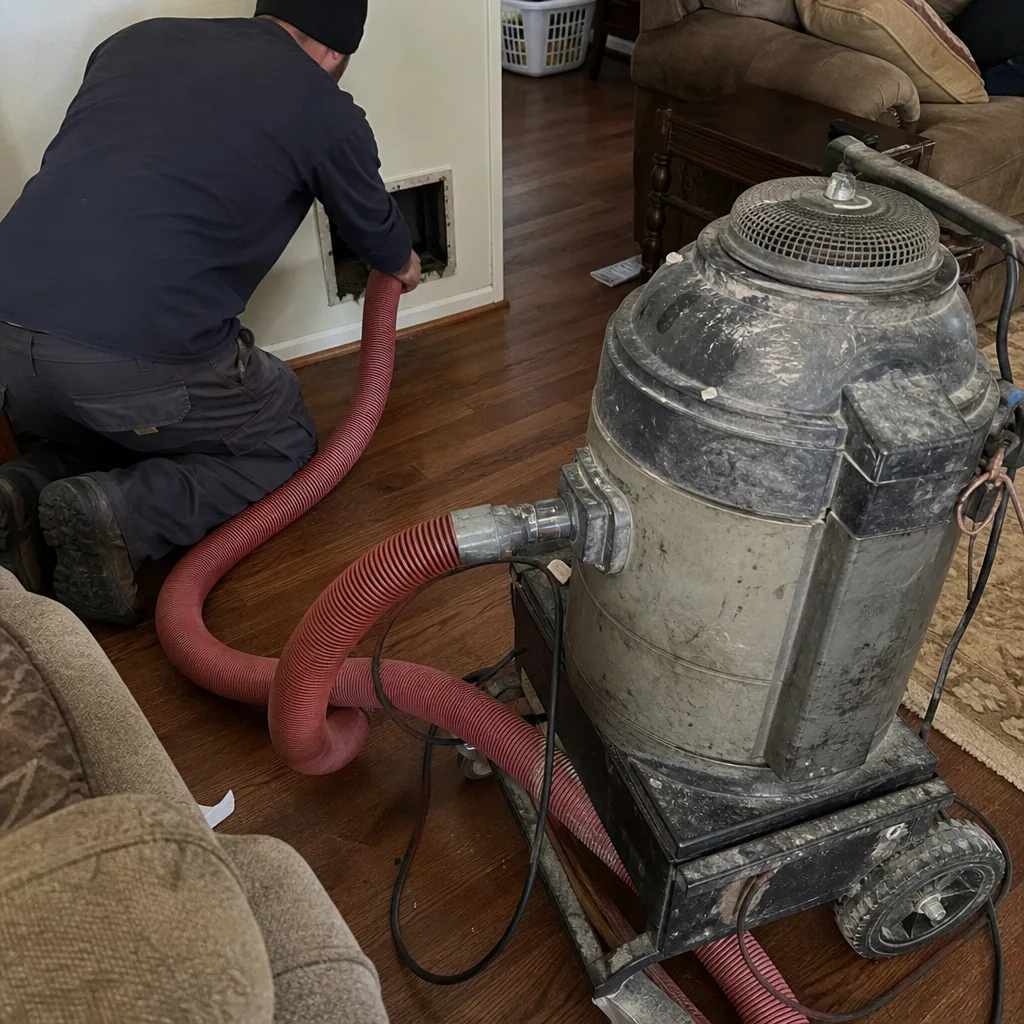
Whole-system duct and dryer vent check with before-and-after photos - you see exactly what came out of your vents
That "$99 whole-house special" is a bait ad - the real number appears once they are in your hallway, or the "clean" is a shop-vac at the register. We photograph the inside of your ducts before and after instead.
Air Duct Cleaning Maintenance Schedule: What to Do and When
Most homeowners still treat duct cleaning as a fixed calendar item, something to do once every three to five years on the theory that a schedule is a schedule. That single rule misses nearly everything that actually drives how fast your ducts fill up. A home with two shedding dogs and a recent kitchen remodel collects debris on a completely different timeline than an empty-nest house running a good filter and no pets. Your ducts don’t read a general guideline. This guide gives you a decision framework built around your household, your filter habits, and Hamilton Lakes conditions, so you clean when it matters instead of on a number someone else picked.
Quick Answer
There’s no universal duct-cleaning interval; the honest answer is that it depends on your household profile. A baseline home with no pets, no smokers, and a well-maintained filter typically needs professional cleaning every 3 to 5 years. Add pets, smokers, allergy or asthma sufferers, or recent renovation dust, and the right interval drops to every 2 to 3 years. Your dryer vent runs on its own separate safety clock and should be checked annually regardless of how clean your ducts are.
Styles & brands we work with
- Whole-home duct cleaning
- Dryer vent cleaning
- Camera inspection
- Sanitizing & deodorizing
Table of Contents
- Why the “Every 3 – 5 Years” Rule Falls Short
- A Tiered Frequency Matrix for Your Household
- Filter Maintenance: The Gate That Controls How Fast Ducts Refill
- Dryer Vent Cleaning: A Separate Safety Schedule
- Seasonal Timing in Hamilton Lakes
- What to Inspect and Document Between Cleanings
- How Duct Material Changes the Schedule
- When to Call a Professional
Why the “Every 3 – 5 Years” Rule Falls Short
The widely repeated guidance on duct cleaning frequency is deliberately loose, and for good reason: the variables that matter vary enormously from home to home. That loose guidance was written long before high-MERV filtration became common in ordinary houses, before open-concept renovations knocked down walls and changed how air moves through a home, and before remote work put more hours of occupancy into the same square footage. None of those shifts are reflected in a fixed three-to-five-year number.
What the generic rule actually does is give you a false sense of completion. If you clean on the calendar and your house is a heavy-shedding, high-occupancy, renovation-heavy environment, you’re overdue almost as soon as the technician drives away. If your house is low-dust and well-filtered, you may be paying for a job you didn’t need yet.
We’ve seen this play out across Hamilton Lakes homes of similar age and square footage with wildly different duct conditions. Two houses on the same street can be a year apart in accumulation after twelve months, because one runs a shedding dog and a woodworking hobby and the other runs a good filter and lives quietly. The schedule that works for both is a framework, not a date.
What follows is that framework: a profile-based frequency, the filter habits that gate re-accumulation, a separate dryer-vent clock, and seasonal cues that matter for this climate.
A Tiered Frequency Matrix for Your Household
Start by placing your household in one of these tiers. Each tier reflects how much debris your system is actually taking in and how sensitive the occupants are to what’s already there.
- Tier 1 – Baseline household. No pets, no smokers, no known allergies or respiratory conditions, filter changed on schedule, no recent renovation. Professional air duct cleaning roughly every 3 to 5 years, with a visual check at the register grilles each season.
- Tier 2 – Pet household. One or more dogs or cats, especially heavy shedders. Every 2 to 3 years. Pet dander and hair load the return side faster than most people expect.
- Tier 3 – Smoker or wood-burning household. Any regular indoor smoking or frequent fireplace use. Every 2 years, and consider more frequent register-level cleaning in the rooms most affected.
- Tier 4 – Health-driven household. Occupants with asthma, allergies, COPD, or immune compromise. Every 2 years minimum, paired with a filter upgrade and, where biological contaminants are a concern, sanitizing treatment after mechanical cleaning.
- Tier 5 – Recent renovation or new construction. Drywall dust, sawdust, and construction debris settle deep and coat surfaces. Clean once the renovation dust has settled, then reset to your normal tier.
Most Hamilton Lakes homes land in Tier 2 or Tier 4 once you’re honest about shedding and allergies. If you’re unsure which tier fits, the physical inspection during a free estimate settles it quickly; register grille color and return-plenum dust tell the story.
Whichever tier you’re in, the schedule is only half the picture. What you do to your filter between professional cleanings is what determines whether you get to the top of your interval or blow past it.
Filter Maintenance: The Gate That Controls How Fast Ducts Refill
Filter maintenance is the single biggest variable you control, and it’s the one most homeowners get wrong. A clogged filter stops catching debris the way it should, and the stuff that bypasses it or sheds off it lands in your ducts. Change the filter on the right interval and your professional clean holds far longer.
- Standard 1-inch fiberglass or low-MERV filter: check monthly, replace every 1 to 3 months. These load up fast and let through a lot.
- Pleated 1-inch filter (MERV 8 to 11): check monthly, replace every 2 to 3 months in a typical household; monthly during heavy pollen or with pets indoors.
- Media cabinet or 4-to-5-inch filter: check every 2 to 3 months, replace every 6 to 12 months depending on load.
- Electronic or washable filters: clean per the manufacturer’s instructions, and don’t assume “washable” means “maintenance-free.”
There’s a trade-off worth knowing. Going higher on MERV catches more fine particles, but a filter that’s too restrictive for your blower can reduce airflow and strain the system. Familiairity with the Honeywell and Aprilaire filtration lines helps here, because the right upgrade depends on what your system can move, not on buying the highest number on the shelf.
A quick rule for Hamilton Lakes homes: if you pull a filter and can’t see daylight through it, you waited too long. That same loading rate is a leading indicator for your duct schedule. If you’re changing filters twice as often as you used to, your ducts are telling you something.
Dryer Vent Cleaning: A Separate Safety Schedule
Dryer vent cleaning runs on its own clock, and it’s driven by safety, not air quality. Lint is combustible, and a vent packed with lint is a fire risk as well as a performance problem. Don’t fold it into your duct schedule and hope the timing works out. It needs its own trigger criteria.
Our dryer vent cleaning work here in Hamilton Lakes follows a few straightforward signals:
- Lint load per week. If you’re emptying the lint trap and finding heavy accumulation, or seeing lint escape around the dryer, the vent is loading faster than it should.
- Duct length. Longer runs accumulate lint faster and are harder for the dryer to push air through. A short, direct vent stays clear longer than a long run through the attic or crawlspace.
- Elbow count. Every 90-degree turn is a place lint collects. A vent with three or four elbows needs attention more often than one with a single gentle turn.
- Drying time creeping up. Clothes that used to dry in one cycle and now need two are telling you the vent is restricted.
- Annual check as a baseline. Regardless of the other signals, have the vent checked once a year. It’s a quick inspection and it’s the cheapest safety measure in the house.
Most households should plan on a professional dryer vent cleaning every 1 to 2 years, with the shorter end of that range for long, elbow-heavy runs and large families doing frequent loads. The full five-service scope at Air Duct Cleaning Hamilton Lakes means the dryer vent can be handled in the same visit as your duct work, so it doesn’t get forgotten.
Seasonal Timing in Hamilton Lakes
When you clean matters almost as much as how often, and in Hamilton Lakes the seasonal logic is specific. This region’s summers bring real humidity, and humid air moving through freshly cleaned ducts can support mold growth on damp surfaces if the system isn’t drying properly. That’s the practical reason to schedule a duct cleaning before summer humidity peaks, not in the middle of it.
The timing logic breaks down like this:
- Late winter into early spring: the strongest window for professional cleaning. You clear out the winter’s accumulation, the system dries well in the lower-humidity shoulder season, and you head into cooling season with clean, dry ducts.
- Late spring: a solid second choice, but aim to finish before the humidity climbs. If biological contaminants are a concern, pair cleaning with an air quality and sanitizing treatment using a recognized product like Guardsman after the mechanical work.
- Peak summer: cleaning in high humidity is workable, but you want the system running and drying promptly afterward. This is when we watch for moisture issues in the duct runs and around the air handler.
- Fall: a good time to reset after summer, address the filter before heating season, and clear any renovation dust from fall projects.
- Winter: fine for cleaning, but cold surfaces and condensation call for care with duct repair and sealing work.
There’s a second seasonal hook: pollen. Hamilton Lakes sits in a region with heavy spring tree pollen, and that pollen rides in on the return air. Cleaning just before or just after the peak pollen window keeps the load from settling deep. If you’re a Tier 4 household, time your annual clean to land right before pollen season so you start with a clean slate.
The practical takeaway is to schedule around the shoulder seasons and away from the humidity peak, and to keep the timing consistent year to year so your profile-based interval doesn’t drift.
What to Inspect and Document Between Cleanings
The gap between professional cleanings is where you gather the evidence that tells you whether your schedule is right. A few simple checks, done a few times a year, catch problems early and give you real data instead of a guess.
- Register grille color. Pop a grille off and look at the duct surface inside. Light gray is normal. Dark gray or black film on the walls of the run means accumulation is building faster than your interval accounts for.
- Filter loading rate. Note how often you replace the filter. A shortening interval is the clearest early signal that ducts are loading up.
- Static pressure readings. If you have a technician check static pressure during a routine HVAC visit, record it. Rising static pressure across a season points to restriction from debris or a failing filter.
- Visible dust on surfaces near registers. Dust settling on furniture and windowsills near supply registers suggests debris is being pushed out of the system.
- Odor and moisture cues. Musty smells when the system starts, or any visible moisture in the duct runs, warrant an inspection regardless of the calendar.
Write these down. Over a year or two, the pattern tells you more about your real schedule than any generic guideline. When you do have the ducts cleaned, the HVAC cleaning component can address the air handler, coils, and blower alongside the ductwork, since debris in those components is part of the same system.
Documentation also protects you during a home purchase or a sale. A record of filter changes, inspections, and past cleanings is a credible maintenance history, and it’s easy to keep on a note on your phone.
How Duct Material Changes the Schedule
The material your ducts are made of affects how they accumulate debris and how they should be cleaned, which in turn affects how often. It’s a scheduling variable most guides ignore.
- Galvanized sheet metal: the most common and the easiest to clean. Rotobrush rotary brush systems make quick work of it, debris releases cleanly, and the surface holds its condition well.
- Flexible duct (flex): the corrugated interior traps debris in the ribs, and aggressive brushing can damage the liner. Cleaning needs a softer approach and the intervals may be shorter because the debris binds more readily.
- Fiberglass-lined or duct board: the porous interior can hold dust and moisture, and it’s more prone to damage from wet cleaning. These runs need careful, contact-based cleaning and warrant being checked more often.
- Rigid round and rectangular: durable and easy to keep clean, similar to sheet metal in practice.
Leaky ducts are their own scheduling problem. A duct system that isn’t sealed draws in dust and unconditioned air, including from attics or crawlspaces, so it loads faster than a tight system. That’s why our duct repair and sealing capability matters: if a cleaned system is leaking, it will dirty again faster than it should. Sealing as part of the same visit keeps the schedule honest.
Our technicians have up to 11 years of experience identifying duct material and condition, and the equipment matters too. Professional-grade gear like Rotobrush brush systems paired with Nikro HEPA-rated vacuums and Abatement Technologies negative-air machines captures dislodged debris rather than redistributing it through the house. You can look those brands up; the equipment should be verifiable, not taken on faith.
Common Mistakes to Avoid
- Treating the three-to-five-year rule as law. It’s a starting point for baseline households, not a target for every home. A pet-heavy household on that schedule is chronically overdue.
- Ignoring the filter between cleanings. The filter is what determines how fast ducts refill. Skip it and you’re paying to clean ducts that will be dirty again within months.
- Folding the dryer vent into the duct schedule. The dryer vent is a fire-safety item on its own annual clock, and putting it off because the ducts don’t need cleaning yet is a real risk.
- Cleaning in the middle of peak humidity. Hamilton Lakes summers are humid, and cleaning without letting the system dry properly can leave moisture in the runs. Schedule before the humidity peak where you can.
- Choosing a cleaner on price alone. A low quote that turns into a much bigger bill, or a shop-vac crew that leaves debris behind, costs more in the end. Ask what equipment they use and whether they repair and seal ducts.
- Cleaning without addressing leaks. A leaky system pulls dirty air back in. If the technician finds damaged or leaking ducts and leaves them, you’re on a shorter schedule than you think.
- Skipping post-renovation cleaning. Drywall dust from a remodel settles deep in the system. Cleaning once the dust has settled resets the schedule properly.
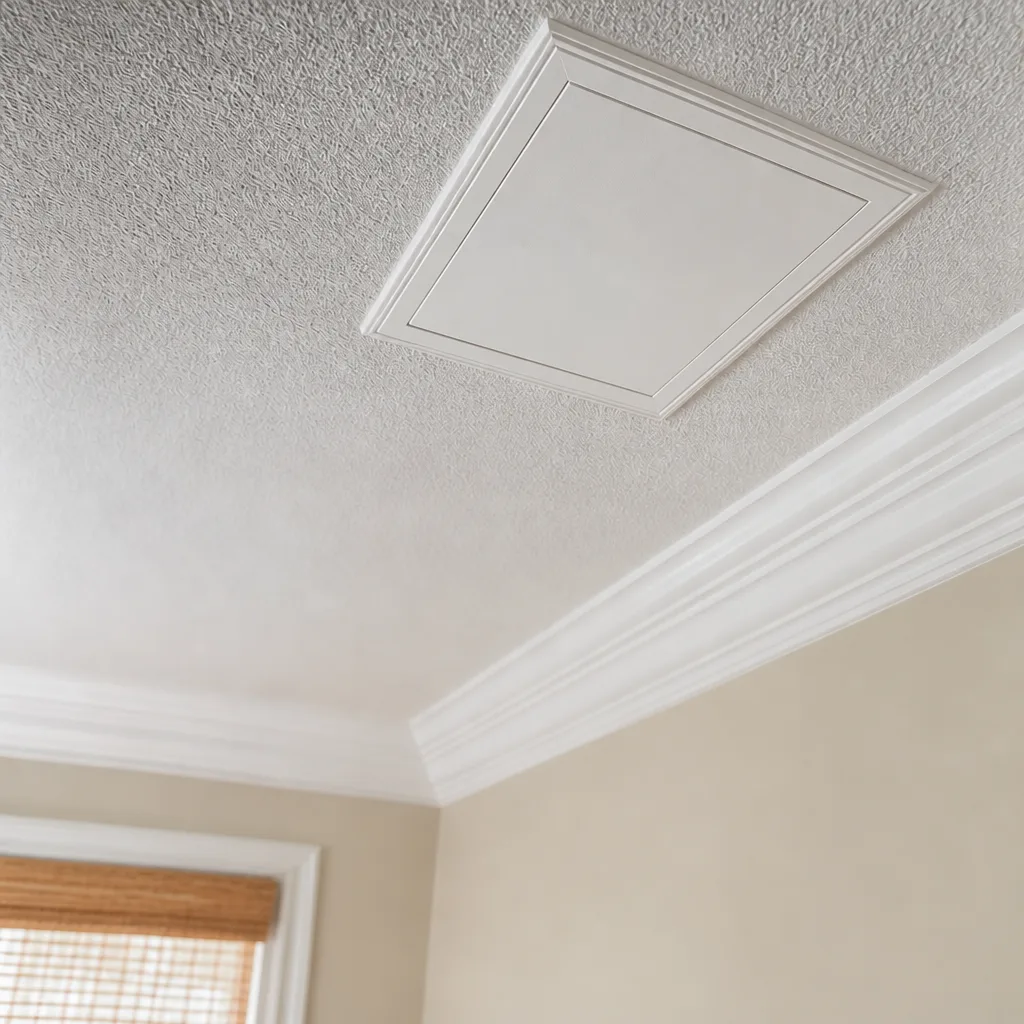
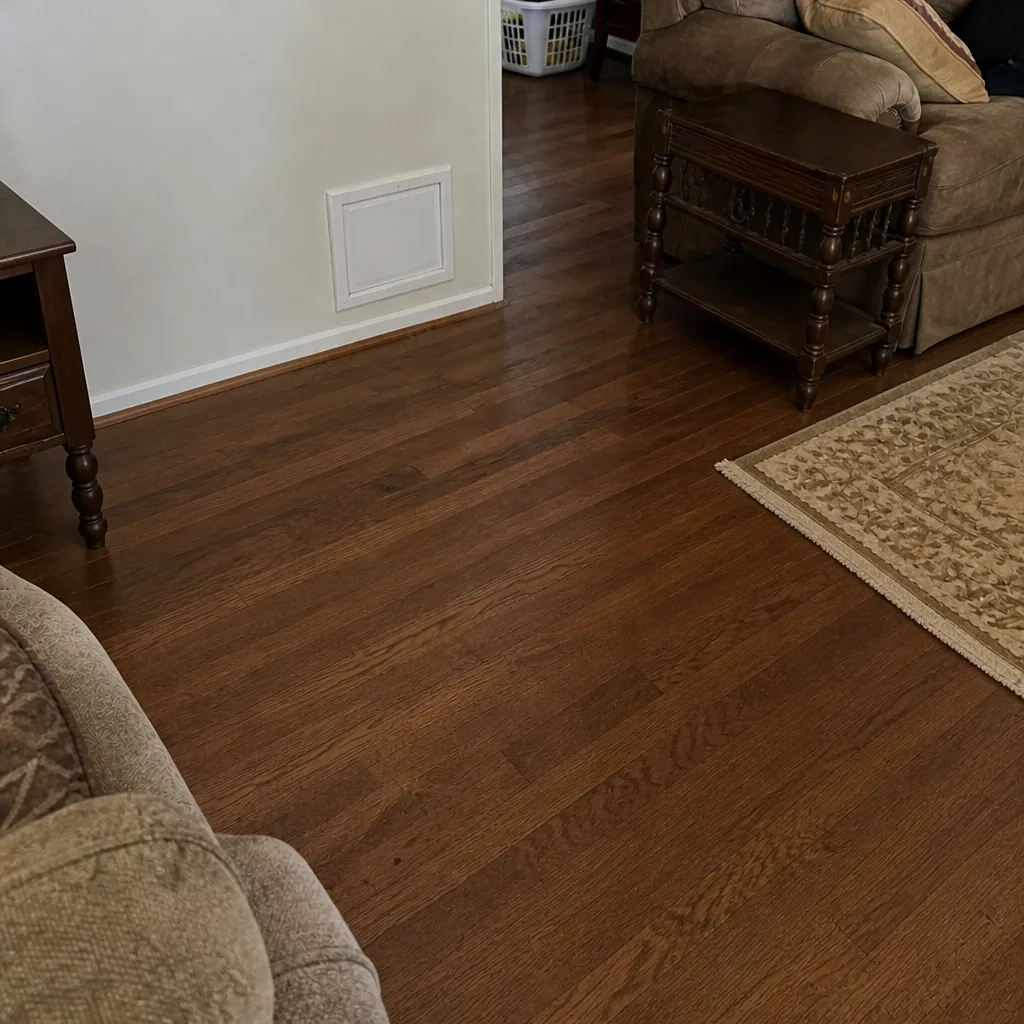
See the difference
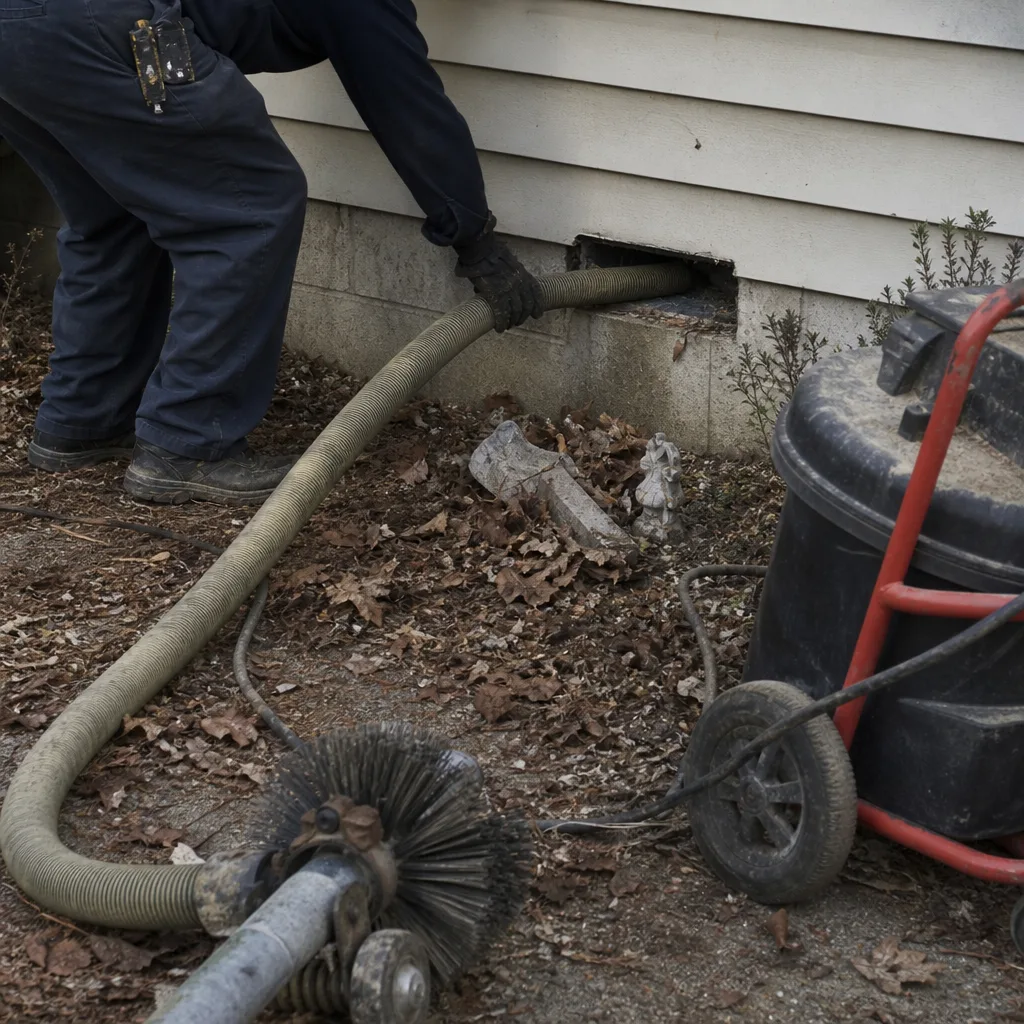 Before
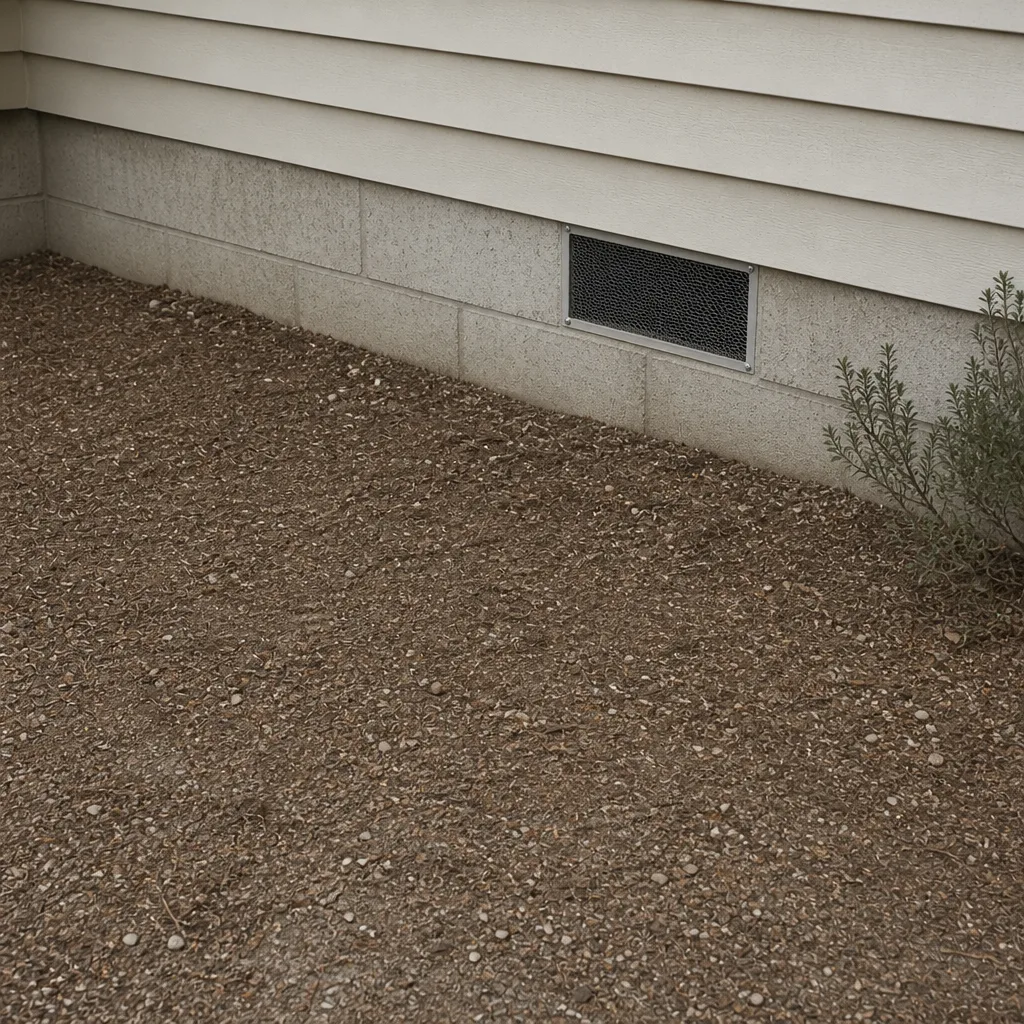 After
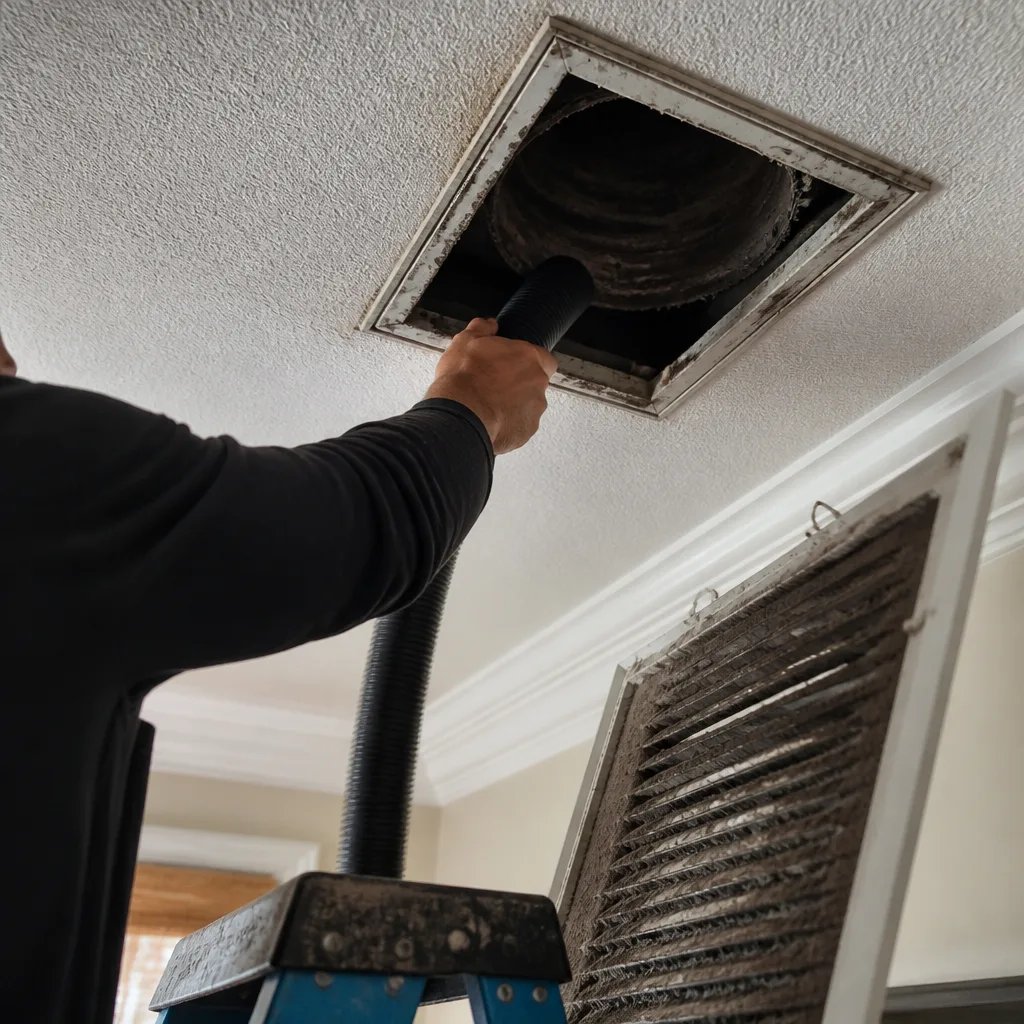 Before
 After
 Before
 After
When to Call a Professional
Some of this is do-it-yourself territory: changing the filter, checking register grilles, watching the dryer’s drying time. But certain situations call for professional eyes and equipment. Call us when you’ve just finished a renovation and drywall dust is in the air, when you’ve moved into a new home and don’t know the duct history, when allergy or asthma symptoms get worse in the house, when the dryer is taking noticeably longer, or when you see dark film inside the registers. The professional equipment matters here; consumer vacuums and shop vacs can’t capture fine debris in a sealed system the way HEPA-rated and negative-air equipment can.
Air Duct Cleaning Hamilton Lakes offers free estimates in Hamilton Lakes. Call (877) 792-7445. We answer 24/7. Fast dispatch from 7am to 7pm, Sunday through Friday.
Frequently Asked Questions
Most baseline Hamilton Lakes households need professional cleaning every 3 to 5 years, but that interval drops to every 2 to 3 years with pets, smokers, allergy sufferers, or recent renovation work. The right number depends on your household profile, not the calendar.
No, it doesn’t hurt anything other than your budget, but it’s also not necessary for a clean, low-dust, well-filtered home. The better use of your money is the filter habit and a dryer vent check, then cleaning on the interval your household actually needs.
Plan on a professional dryer vent cleaning every 1 to 2 years, with an annual check as a baseline. Shorter intervals apply to long vent runs, multiple elbows, heavy weekly lint, or drying times that have crept up.
Yes. Summer humidity here can support mold growth on damp surfaces inside cleaned ducts, so scheduling the cleaning before the humidity peak is better than cleaning in the middle of it. Letting the system dry properly after a clean is part of the job.
If the inspection finds leaking or damaged ducts, sealing should be done in the same visit, because a leaky system pulls dirty air back in and dirties your ducts faster. Cleaning alone on a leaky system means you’ll be back on a shorter schedule. Call (877) 792-7445 to arrange an inspection.
Change the filter on the manufacturer’s interval, watch the register grilles for dark film, track how often the filter loads, and note any musty smells or rising dry times. Those signals tell you whether your schedule is right. Call us for a free estimate when any of them show up.
The Bottom Line
The right duct cleaning schedule is the one built around your household, not a number printed in a generic guide. Place yourself in a tier, keep the filter clean, run the dryer vent on its own annual clock, and schedule the ducts around Hamilton Lakes’ humidity rather than through the middle of it. Watch the cues between visits, and when in doubt, get an inspection. Cleaning the ducts is only half of indoor air quality; sealing leaks, keeping filtration right, and addressing biological contaminants with a sanitizing treatment maps to the full picture. If you’re ready to set a schedule that fits your home, we’ll give you a free estimate. Call (877) 792-7445. We answer 24/7. Fast dispatch from 7am to 7pm, Sunday through Friday.
Written by the team at Air Duct Cleaning Hamilton Lakes.