
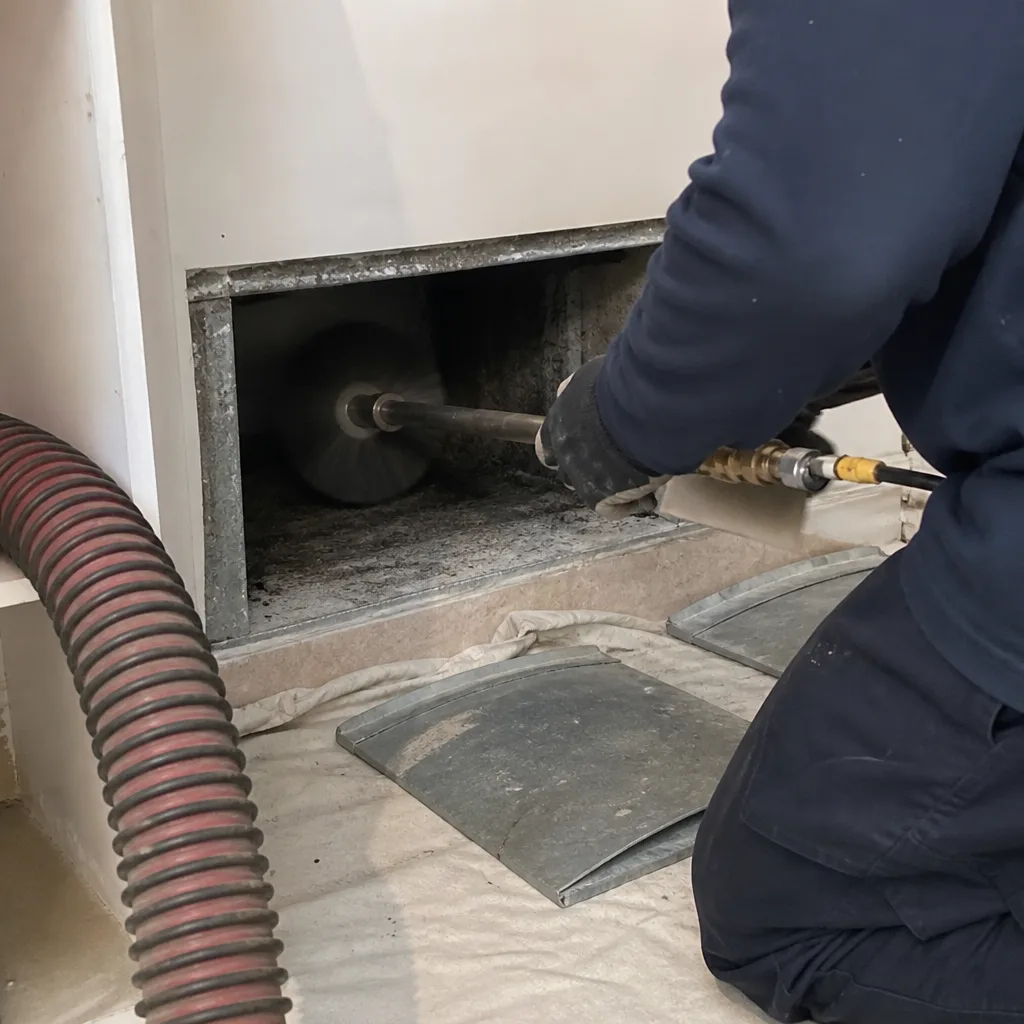
Last updated November 23, 2026
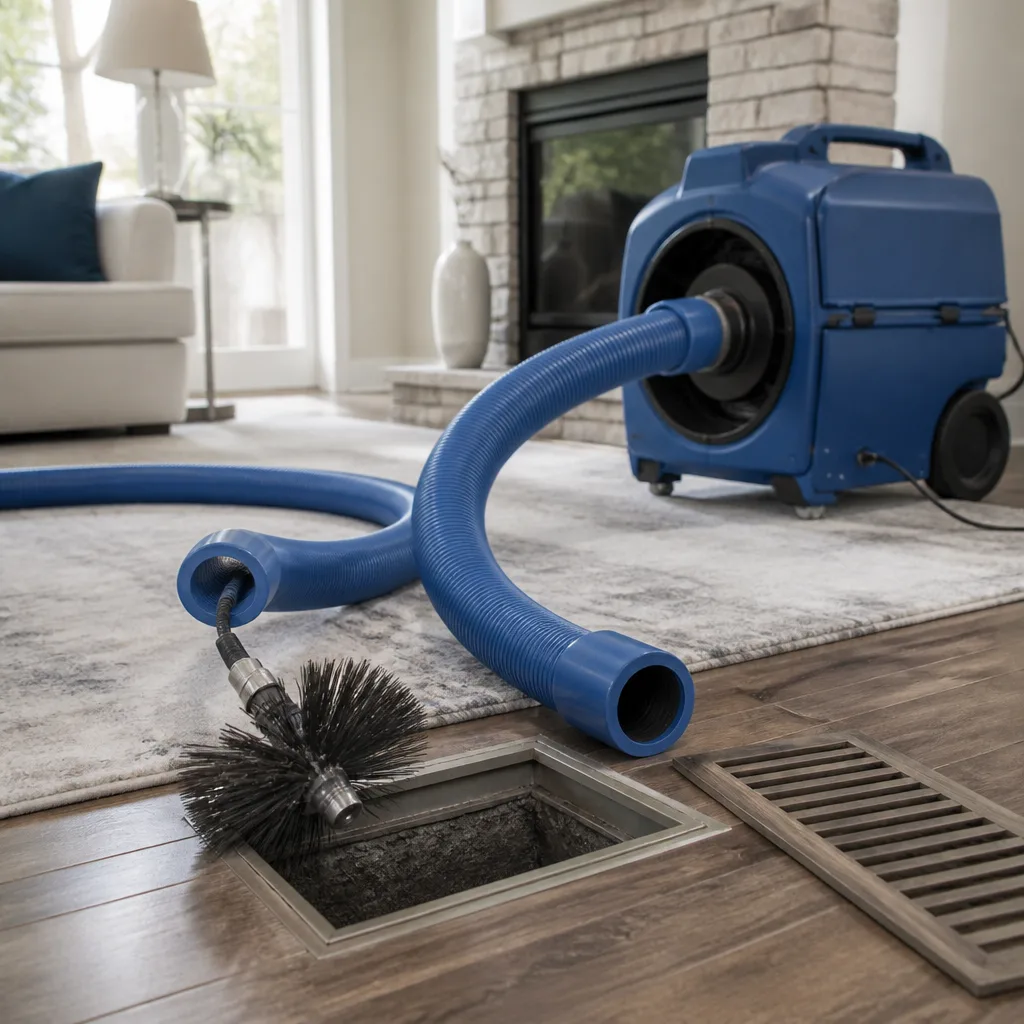 Whole-home duct cleaning
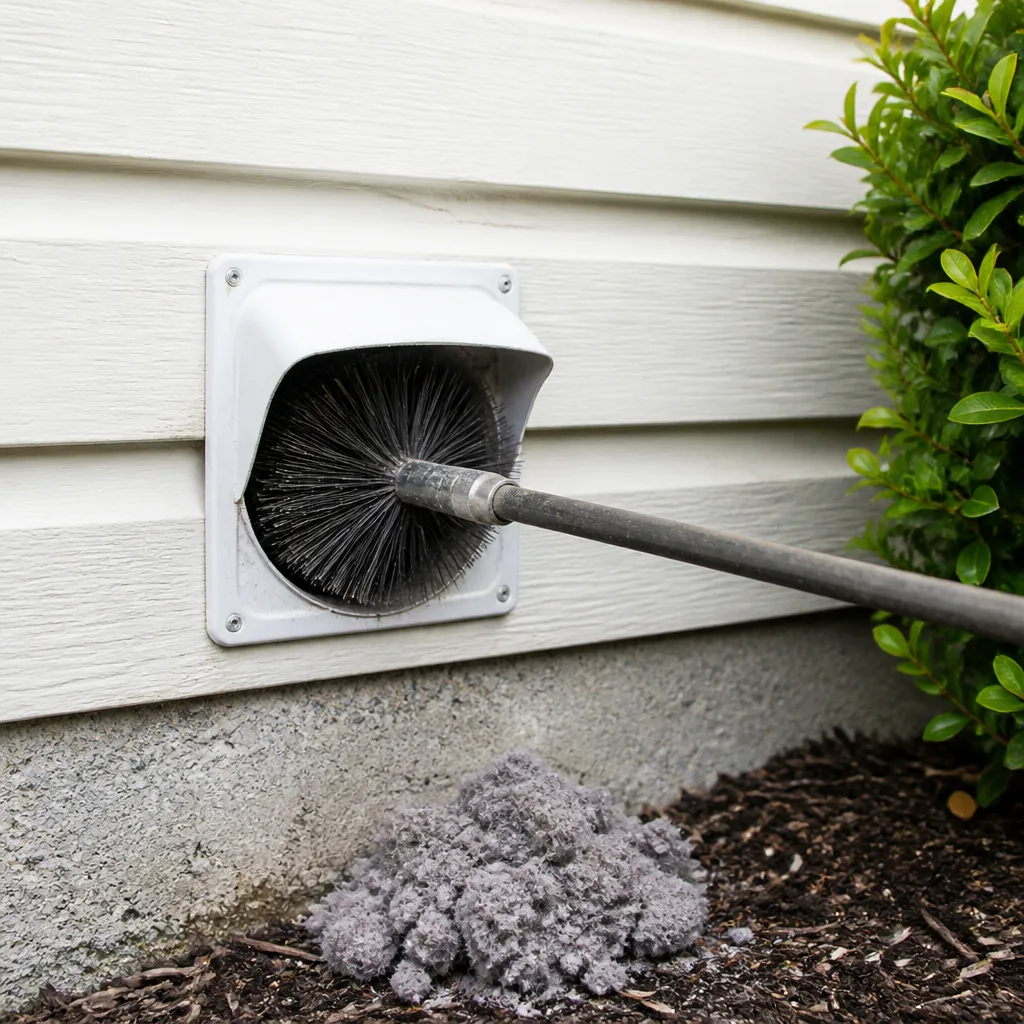 Dryer vent cleaning
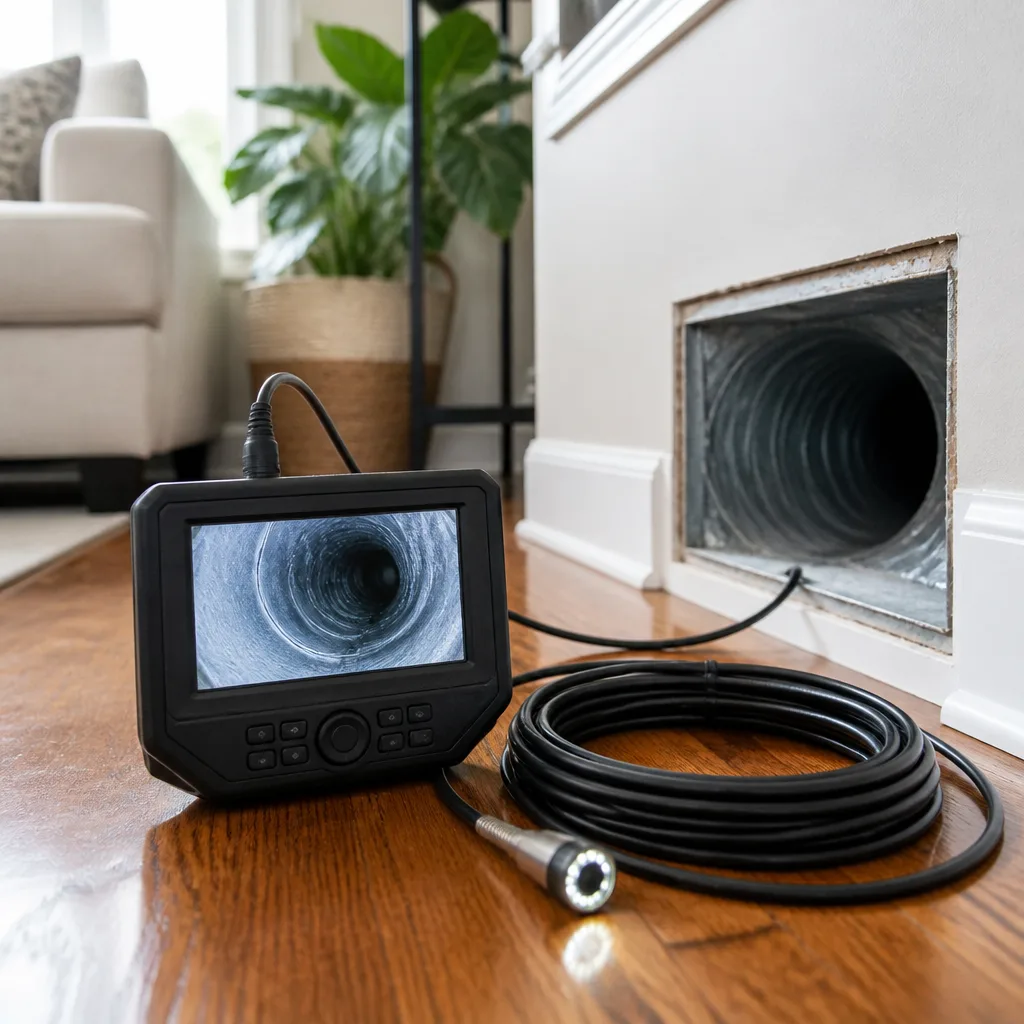 Camera inspection
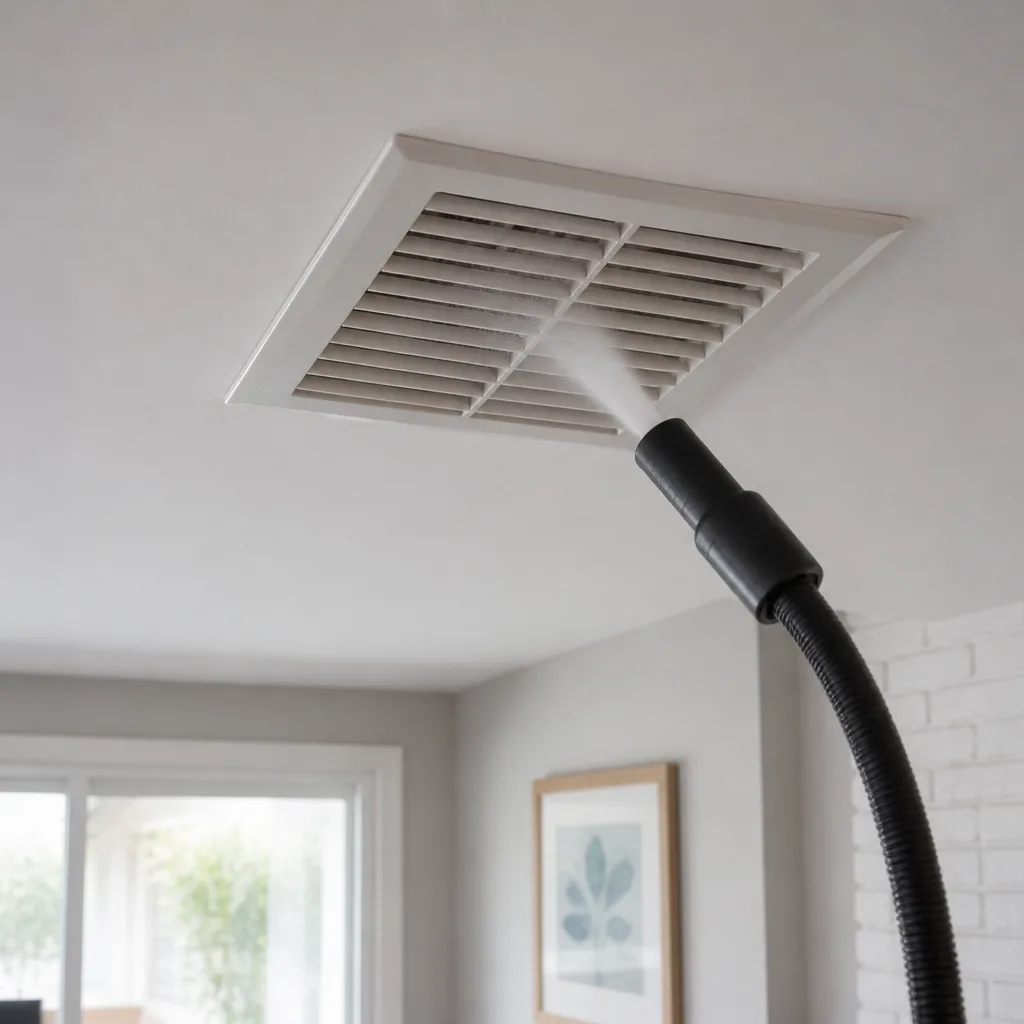 Sanitizing & deodorizing
Whole-system duct and dryer vent check with before-and-after photos - you see exactly what came out of your vents
That "$99 whole-house special" is a bait ad - the real number appears once they are in your hallway, or the "clean" is a shop-vac at the register. We photograph the inside of your ducts before and after instead.
Air Duct Cleaning Troubleshooting in Hamilton Lakes: Common Problems and How to Fix Them
If your HVAC system passed its last inspection but rooms still heat unevenly or smell musty after the blower kicks on, the problem isn’t your equipment. It’s what’s coating the inside of your ductwork. Most homeowners in Hamilton Lakes start troubleshooting in the wrong place. They suspect the furnace, the thermostat, the compressor, and they pay for a service call on a machine that’s working exactly as designed. The duct system is the part of the HVAC assembly nobody looks at, and it’s the part that fails quietly. This guide teaches you to read the symptoms your ductwork is already broadcasting, so you can tell a debris problem from a mechanical one, know what to check before you spend money, and understand when the fix belongs with a duct specialist rather than an HVAC technician.
Quick Answer
Most air duct problems in Hamilton Lakes that look like HVAC failures are actually duct-system failures: debris buildup restricting airflow, mold colonization in the plenum, collapsed flex duct, or separated rigid duct joints. Telling them apart comes down to a few diagnostic cues like noise pattern, timing of odors, and how the symptom changes between rooms. A professional inspection with camera and pressure readings is the only reliable way to confirm which one you have, and cleaning with professional equipment plus repair and sealing handles every one of them.
Styles & brands we work with
- Whole-home duct cleaning
- Dryer vent cleaning
- Camera inspection
- Sanitizing & deodorizing
Table of Contents
- Is it debris buildup or a failing blower motor?
- Why musty odors in the first 10 minutes point to the plenum
- The diagnostic value of pulling one supply register boot
- Flex duct collapse vs. rigid duct separation: identical symptoms
- Why a shop vac makes contamination worse
- How a proper duct inspection actually works
- Hamilton Lakes-specific duct problems
- The order to fix things in
Is it debris buildup or a failing blower motor?
Debris buildup and a failing blower motor produce overlapping symptoms, but they differ in three measurable ways: static pressure, noise character, and how the symptom responds to load. A blocked duct system pushes down on the blower from the discharge side, while a worn blower motor loses power from the inside. The two look similar at the vent but behave differently when the system runs.
Here’s what a restricted duct system typically does:
- Weak airflow everywhere at once. Every register in the house feels diminished, not just the farthest one. If the far rooms are weak but the near ones blast, that’s usually a duct routing problem, not total blockage.
- Whistling or high-pitched noise at registers. That sound is air being forced through a smaller opening than intended. Debris coatings narrow the interior and turn a duct into a nozzle.
- Loud blower laboring. The motor sounds like it’s pushing against something, because it is. Restricted airflow means the blower works harder to move the same volume.
- Short cycling. The system hits the thermostat set point too fast because the conditioned air isn’t distributing, then restarts soon after.
A failing blower motor, by contrast, tends to produce:
- Inconsistent airflow that changes with run time. Strong at startup, weaker as the motor heats up.
- Grinding, rattling, or humming from the air handler itself, not from the registers.
- Airflow that varies between cycles even when the outside temperature and settings are identical.
The distinction matters because it determines who you call. A blower motor replacement is HVAC work. A restricted duct system is duct work, and the fix is cleaning with equipment capable of removing the coating rather than just the loose dust. In our experience walking Hamilton Lakes homes, more “my AC is dying” calls turn out to be duct restriction than actual equipment failure. The motor is fine. It’s just being asked to push against something it can’t overcome.
Why musty odors in the first 10 minutes point to the plenum
A musty smell that shows up in the first few minutes after the blower kicks on and then fades is almost always biological growth in the supply plenum, not the ducts themselves. The plenum is the metal box directly above the air handler where conditioned air gathers before it enters the trunk. It sits in the cool, humid airstream and is the single most common place for mold colonization in a forced-air system. Debris in the ducts is usually dry and dormant. The plenum stays wet.
Why timing matters so much: the first rush of air after the blower starts pushes out whatever has been sitting and growing on the plenum surfaces. Once the airstream stabilizes, the odor dilutes and you stop noticing it. That’s why homeowners describe the smell as intermittent. It isn’t. It’s concentrated at startup.
A musty smell that lasts the entire cycle suggests a different source. That pattern points to wet insulation, a condensate drain problem, or standing water in the drain pan. Those are HVAC issues, not duct cleaning ones, which is exactly the kind of distinction worth making before you hire anyone.
When the timing does point to the plenum, cleaning alone won’t fully solve it. We use mechanical cleaning first, with professional air duct cleaning equipment that contacts and removes the growth from the metal, then follow with sanitizing treatment using recognized product lines like Guardsman. Without the treatment step, the spores remain viable and the smell returns as soon as the surfaces stay moist again. The full sequence matters more than any single step. Honeywell and Aprilaire filtration and humidity control can then help slow recurrence by keeping the airstream drier in the first place.
The diagnostic value of pulling one supply register boot
Before anyone assumes your whole system needs cleaning, a professional should pull a single supply register boot and look inside. It’s a two-minute step and it tells you more about the state of the system than any amount of air-balancing guesswork. The supply boot is the short duct segment right behind the grille, and it’s the closest inspection point to your living space.
Here’s how to read what’s inside:
- Light, even dust coating. The duct lining is visible under a thin film. Standard maintenance territory, probably not a full-system emergency.
- Thick, matted debris or visible fiber buildup. Airflow is being narrowed. Worth a full inspection with camera and pressure readings.
- Visible moisture, discoloration, or damp fiberglass. Points to a condensation or leak problem upstream. Cleaning without fixing the moisture source is wasted money.
- Debris that looks like construction dust or drywall fines. Common after a renovation. Those particles are fine and spread easily, so a full clean with HEPA filtration is the answer rather than a spot vacuum.
- Nothing but a clean duct interior. The problem is upstream, near the air handler or in the trunk, and the register boot told you so.
Pulling one boot doesn’t replace a full inspection, but it’s the right first move. It’s cheap, non-invasive, and it tells a trained technician whether the rest of the system warrants following. If a company wants to sell you a full clean before anyone has looked inside a single boot, that’s a red flag worth noticing. Equipment you can verify starts with a technician who can show you what they’re looking at. We do this on every Hamilton Lakes estimate, because the answer changes the scope of the job.
Flex duct collapse vs. rigid duct separation: identical symptoms, different fixes
Flex duct collapse and rigid duct joint separation produce the exact same symptom: a room or zone that never gets enough air, no matter what you do with the dampers. Homeowners often assume it’s debris blocking the run. Most of the time it isn’t. The duct is either pinched or disconnected, and the air is going somewhere it shouldn’t. Camera inspection is the only reliable way to tell which.
Flex duct collapse happens when the inner liner of a corrugated flex run kinks, sags, or is crushed against framing. It’s common in attic runs where the duct isn’t properly supported, and temperature swings in an unconditioned attic accelerate the sag. From the inside, the duct looks pinched shut. From the register, the airflow looks blocked. That’s why it fools people into thinking they need a cleaning they don’t need.
Rigid duct separation is a physical gap between two duct sections or at a fitting. The air leaks into unconditioned space instead of reaching the room. It looks like restricted airflow at the vent but is actually a leak. In a Hamilton Lakes home with an unconditioned crawlspace, both collapse and separation are common and both waste energy by pushing conditioned air into the void.
The fix is different in each case. Collapsed flex duct usually needs the run replaced or rerouted. Separated joints need sealing, which is one reason we handle duct repair and sealing alongside cleaning. If we find a separation during a clean, we can seal it in the same visit rather than flag it and hand you off to a second contractor. That’s the practical difference between cleaning-only companies and a specialist that seals what it finds. The camera doesn’t just tell you whether cleaning is needed. It tells you whether cleaning is the right remedy.
Why a shop vac makes contamination worse
Running a household shop vac over a register doesn’t clean the duct system. It redistributes the debris that’s already settled inside. A shop vac pulls air and loosens settled particles, then exhausts a portion of them back into the room. The fine particles that were resting on the duct floor end up in your breathing air, and everything downstream of the vacuum head stays exactly as contaminated as it was.
A few things make the problem worse than most people expect:
- Consumer vacuums have no HEPA containment. The exhaust of a standard shop vac is a fine-particle emitter. It’s the wrong tool for contamination removal.
- You can’t reach the trunk and runs from a register. The register is the end of a long line. Vacuuming the boot doesn’t touch 90 percent of the system.
- Loose debris is the worst debris. Disturbed particles that would have stayed settled become airborne and circulate until they settle again, this time on living surfaces.
- Wet contamination gets spread, not removed. If there’s mold or moisture around the plenum, a vacuum disturbs fungal material and aerosolizes spores.
Professional removal relies on containment. We use Nikro HEPA-rated vacuum units and Abatement Technologies negative-air machines so dislodged debris is captured at the source instead of finding its way into living spaces. Negative air pressure is the same principle used in commercial remediation, and it’s the reason the job gets done in a sealed, controlled way rather than as a dust event. The tools aren’t a marketing detail. They’re the difference between removing contamination and shuffling it.
How a proper duct inspection actually works
A real duct inspection is a sequence, not a single look. The point is to gather evidence before anyone recommends a service, so the recommendation matches the problem. Here’s the order we work in on an air duct cleaning assessment in Hamilton Lakes.
- Interview. Which rooms are affected? When did it start? Is there an odor, and does it happen at startup? Did you renovate recently? The answers narrow everything that follows.
- Register boot check. Pull one or two boots and inspect the interior. This is the fastest way to judge debris volume and moisture.
- Static pressure reading. A manometer measures how hard the blower is working against the system. High static pressure means restriction somewhere in the duct path.
- Camera inspection. A borescope into the trunk and long runs shows what pressure readings can only imply. This is how collapse and separation get caught.
- Air handler and plenum check. Look for moisture, growth, condensate issues, and insulation damage at the source.
- Written findings. You get a clear picture of what’s there, what it means, and a written estimate for the work before anything begins.
The point of the pressure reading is to establish the baseline. After cleaning, we can take the reading again and show you the before-and-after numbers along with photos of your own duct interiors, so you have documentation that the work was done and that it changed something measurable. In our experience, homeowners who’ve had a bad duct cleaning before are the most skeptical of all, and the answer is proof. Photos and pressure numbers belong in the hands of the customer, not in a story.
What makes duct problems in Hamilton Lakes a little different
Duct problems follow building stock, and Hamilton Lakes has its own mix. The neighborhood that gave the area its name sits near the cluster of office buildings along the main commercial corridor, but the residential streets around it are a blend of mid-century homes and newer construction. That mix creates two distinct sets of duct symptoms, and it helps to know which kind of home you’re troubleshooting.
Older Hamilton Lakes homes often have original rigid sheet-metal trunk-and-branch systems in conditioned or semi-conditioned spaces. Their classic failures are joint separations, tape failure at seams, and plenum growth where an older air handler has left moisture behind. The metal itself holds up well, but the connections don’t. Leaky joints pull hot, humid outdoor air and crawlspace air into the airstream, which is exactly how a musty plenum problem starts.
Newer Hamilton Lakes construction leans more heavily on flex duct runs, especially in attic installations. Those runs are quieter at the register but far more vulnerable to sagging, kinking, and support failure. When a newer home has a cold room upstairs while the downstairs is fine, a collapsed flex run is the first thing to suspect, not debris. A camera check settles it in minutes.
North Carolina’s humid summers and shoulder seasons where the HVAC runs one day and idles the next are a particular challenge. The system sits cold and damp during idle days, and that’s exactly the condition where mold in the plenum thrives. If your duct smell arrives in early fall or late spring rather than mid-summer, the seasonal swing is a decent clue. That’s why we routinely recommend keeping the airflow cycling and looking at Aprilaire or Honeywell humidity control after cleaning, rather than treating cleaning as a one-time reset. Air quality in this climate is an ongoing management problem, not a seasonal fix.
The order to fix duct problems in, and why it matters
Getting the order right saves money. If you repair and seal before cleaning, you seal debris into the system. If you clean before you’ve found a leak, the cleaned system gets dirty again faster. Here’s the order we follow, and the reasoning behind it:
- Inspect and document. Camera, pressure reading, register boots. Know the problem before touching anything.
- Mechanical cleaning first. Remove the debris with professional equipment and HEPA containment. Cleaning removes the fuel source for mold and the restriction that drives high static pressure.
- Repair and seal. Fix collapsed flex runs and separated joints after cleaning, so the work isn’t undone by debris re-entering through leaks.
- Sanitize if biological growth is present. Only after mechanical cleaning removes the material mold feeds on. Guardsman treatments then target what’s left.
- Address filtration and humidity. The final step, which is what keeps the system clean longer. This is where Honeywell and Aprilaire hardware come into play.
- Verify with after photos and pressure readings. Documentation that the cleaning achieved something measurable, not just that someone was in the house.
One visit can cover every step above because we handle the full scope: air duct cleaning, dryer vent cleaning, HVAC cleaning, duct repair and sealing, and air quality sanitizing. Dryer vent cleaning belongs on this list because a slow-drying dryer and a ducted HVAC system share a related failure mode: airflow restriction caused by lint and debris accumulation in a long run. If your dryer takes two cycles to dry a load, that vent restriction is a fire risk worth addressing on the same visit as anything else.
Common Mistakes to Avoid
- Assuming a weak room means a dirty duct. In Hamilton Lakes, a single cold room is more often a collapsed or disconnected flex run than a debris problem. Confirm with a camera before paying for a clean.
- Trusting a per-vent coupon price. Low per-vent pricing almost always inflates once the technician is on site. One flat price per system, agreed in writing before the work starts, is the only quote you can hold anyone to.
- Hiring a cleaner who doesn’t repair. A cleaning-only company that finds a separated joint will flag it and leave. Making sure the company can seal what it finds saves a second appointment and a second bill.
- Running a shop vac over the register. It redistributes fine particles into your living space and reaches almost none of the system. Containment equipment is the entire point.
- Skipping the moisture source. Cleaning a duct system that sits in a damp plenum doesn’t fix anything. Moisture has to be addressed or the growth returns within a season.
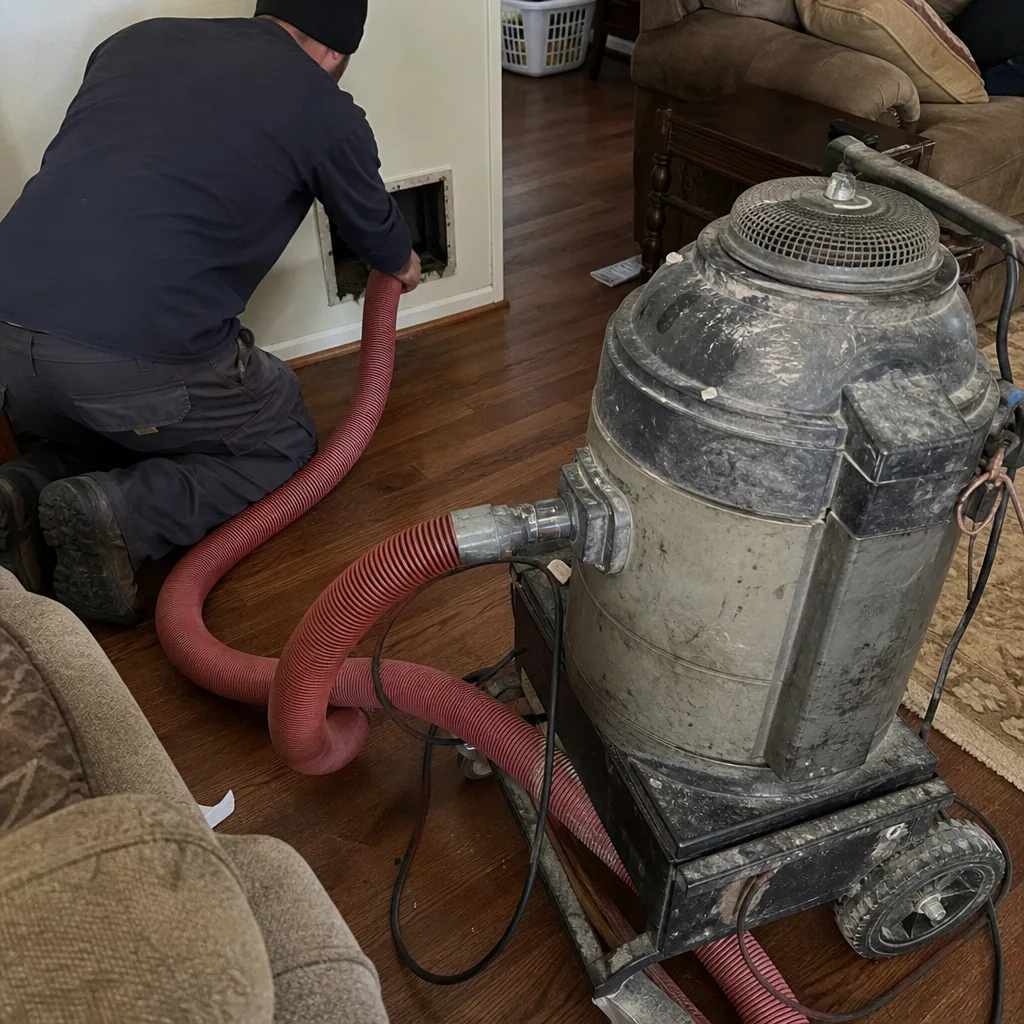
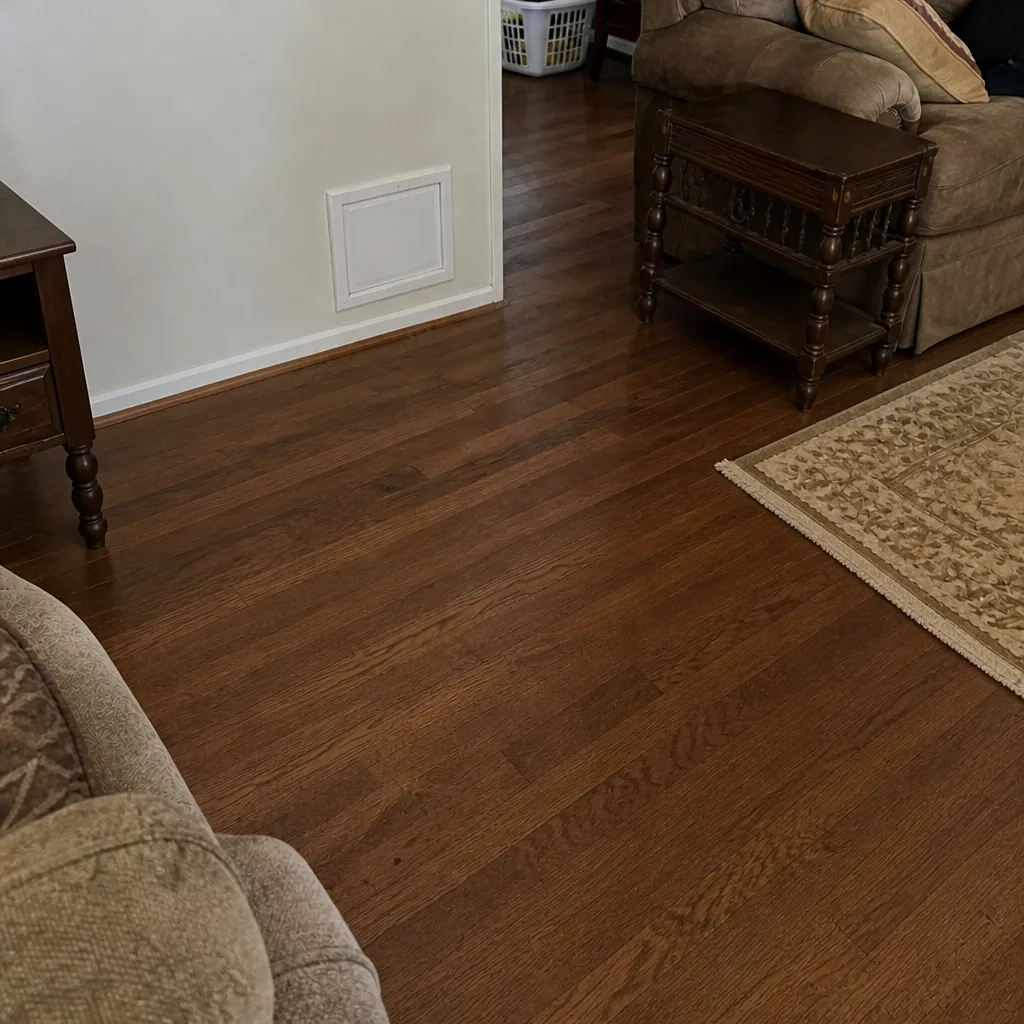
- Skipping the before-and-after photos. If a company can’t show you the interior of your own ducts before and after, you have no way to know the work was done.
- Treating cleaning as a one-time reset. In this climate, filtration and humidity control after cleaning are what actually keep the system clean.
See the difference
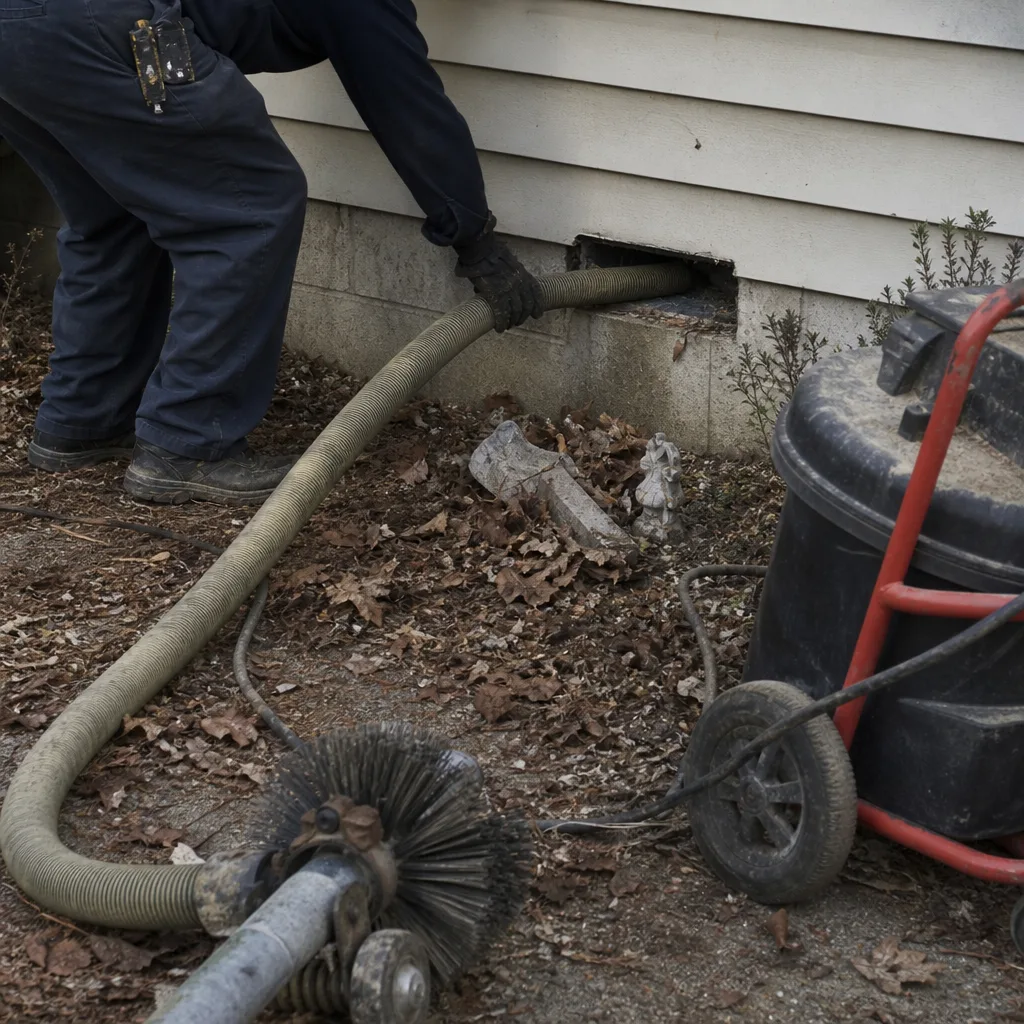 Before
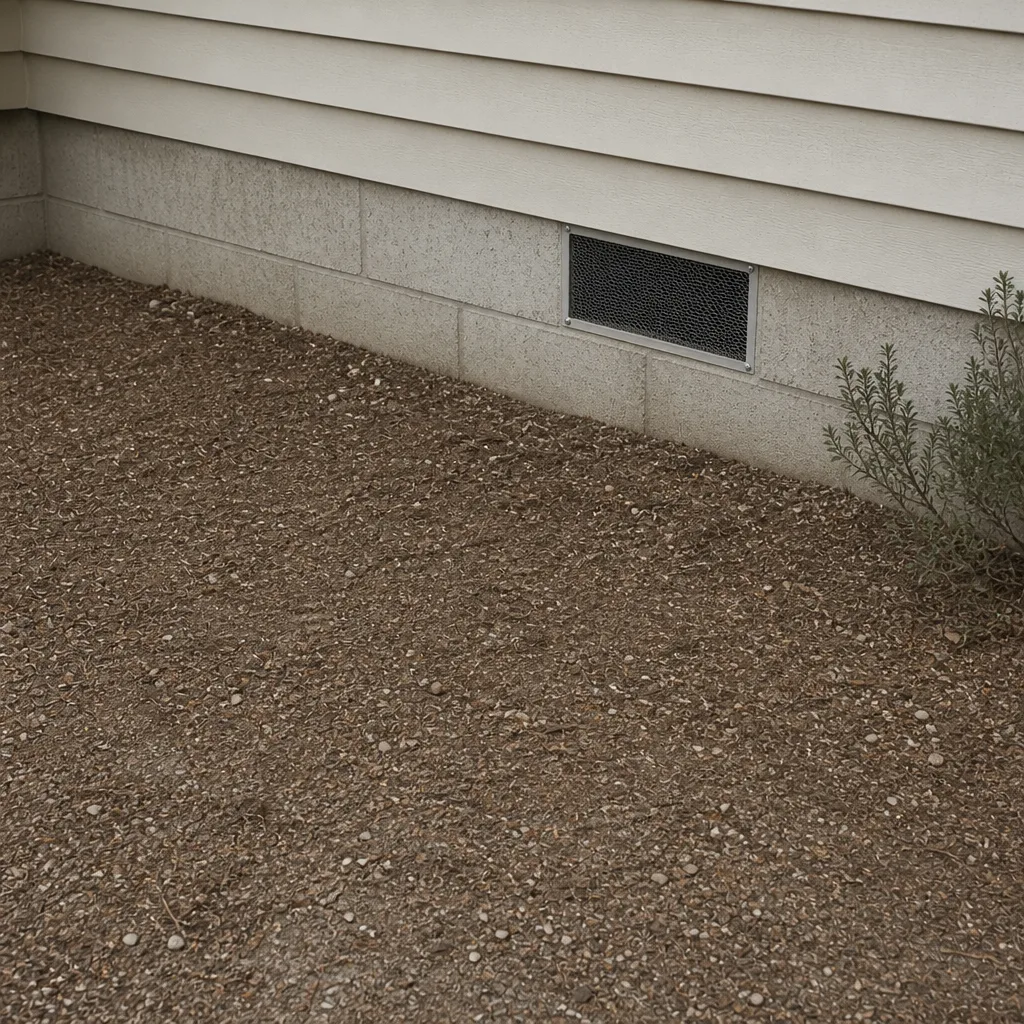 After
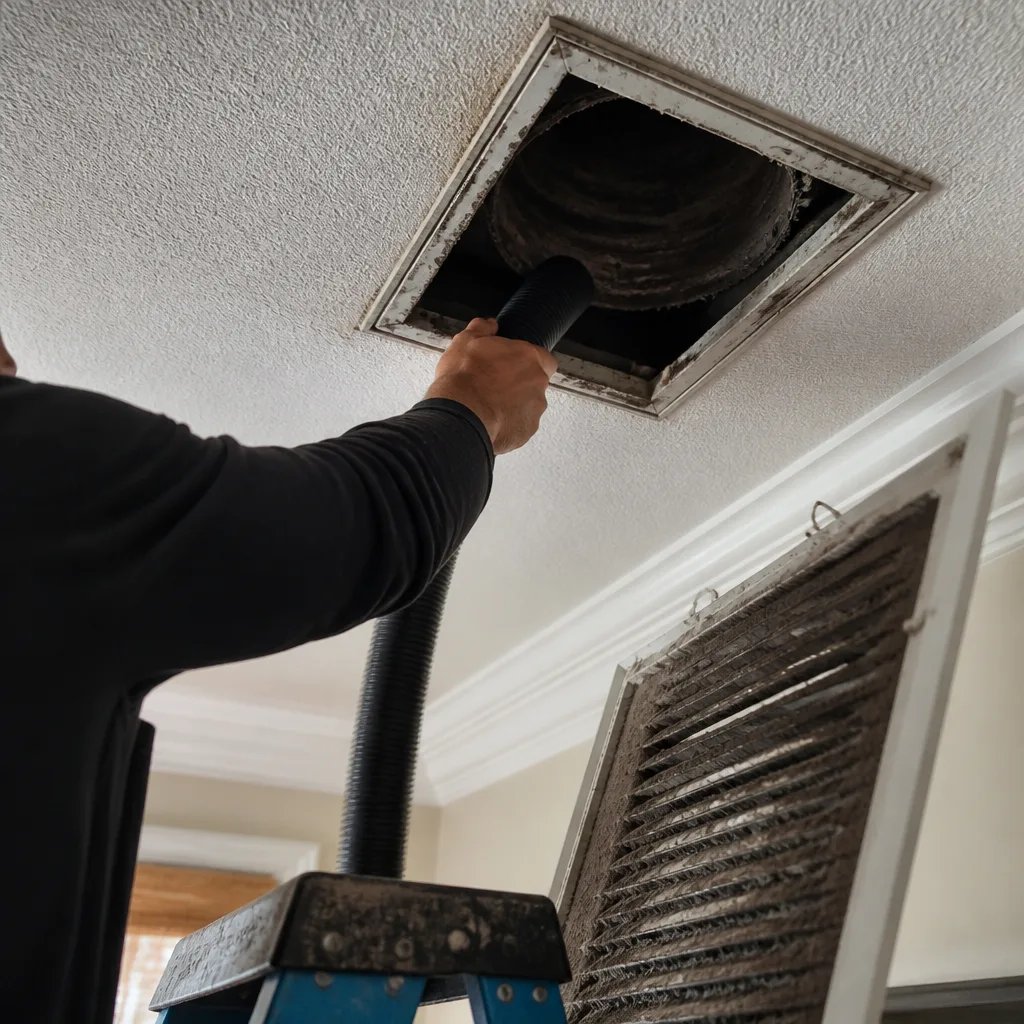 Before
 After
 Before
 After
When to Call a Professional
Call a professional when symptoms overlap. If a room is weak and a camera check hasn’t been done, call. If odor appears at blower startup and lasts a few minutes, call. If you’ve had a renovation and there’s visible drywall dust in a register boot, call. If your dryer takes two cycles and the vent run is long, call. If a prior cleaning company gave you no photos and no pressure numbers, and the symptoms have crept back, call and get a documented inspection. Air Duct Cleaning Hamilton Lakes offers free estimates in Hamilton Lakes, with pressure readings and camera inspection to establish exactly what’s going on before any work is quoted. Call (877) 792-7445. We answer 24/7. Fast dispatch from 7am to 7pm, Sunday through Friday; we’re closed on Saturday and a call outside those dispatch hours is booked into the next opening. Our technicians have up to 11 years of experience, the local pro is licensed and insured as their state requires, and every job comes with before-and-after photos of your own ducts and one flat price per system agreed before the work starts.
Frequently Asked Questions
Check two things: whether airflow is weak at every register or only some, and whether the noise comes from the registers or from the air handler itself. Weak everywhere plus whistling at registers points to duct restriction, while grinding or humming from the unit points to equipment. The only way to be sure is a static pressure reading and a camera check. Call (877) 792-7445 for an inspection that settles it.
That timing points to biological growth in the supply plenum, which is the box above the air handler where conditioned air gathers. The first rush of air after startup pushes out what’s been sitting on the plenum surfaces, and the smell fades once the airstream stabilizes. Cleaning plus a Guardsman sanitizing treatment addresses it, but only after the mechanical cleaning removes the material the growth feeds on.
We price per system, not per vent, and give you one flat price in writing before work starts, because each home’s duct layout and condition differ too much for a single figure to be honest. A teaser coupon price that grows once a technician is on site is the most common bait-and-switch in this trade, and a written flat quote is the answer. Call (877) 792-7445 for an exact quote, and the estimate is free.
Low-quoted jobs usually skip the equipment that makes cleaning meaningful: HEPA vacuum containment, negative-air machines, camera inspection, and the repair-and-seal step that follows. A shop vac and a hose can undercut any real quote because it isn’t doing the same work. Ask what equipment the company uses and whether they take before-and-after photos of your ducts. We use Nikro and Abatement Technologies gear precisely because it’s checkable.
Ask for before-and-after photos of your own duct interiors, plus static pressure readings taken before and after. A documented job is the standard, because a homeowner who can see the interior of their ducts can see the difference. We provide both on every job, and we show you the photos before we consider the appointment finished. Call (877) 792-7445 to schedule an inspection.
There’s no universal interval. It depends on your building stock, whether you’ve renovated, whether there’s mold-prone moisture around the plenum, and how well your filtration is handling the local humidity. Older rigid duct systems here can go longer between cleans than sagging flex runs in attics, but a musty plenum smell means it’s due now regardless. Let a camera and pressure check tell you rather than a calendar.
The Bottom Line
Most duct complaints that get blamed on the furnace are duct-system problems: debris restriction, plenum mold, collapsed flex, or a separated joint. The diagnostic cues are there if you know what to look for: weak airflow everywhere, whistling at registers, odor at blower startup, and single-room coldness that never responds to damper adjustment. Pull one register boot, get a camera and pressure check, clean with containment equipment, seal what’s found, sanitize if growth is present, and verify with after photos. In Hamilton Lakes, doing those steps in order is what turns an expensive-sounding HVAC problem into a fixed one. Call (877) 792-7445 for a free estimate. We answer 24/7, with fast dispatch from 7am to 7pm, Sunday through Friday.
Written by the team at Air Duct Cleaning Hamilton Lakes.