
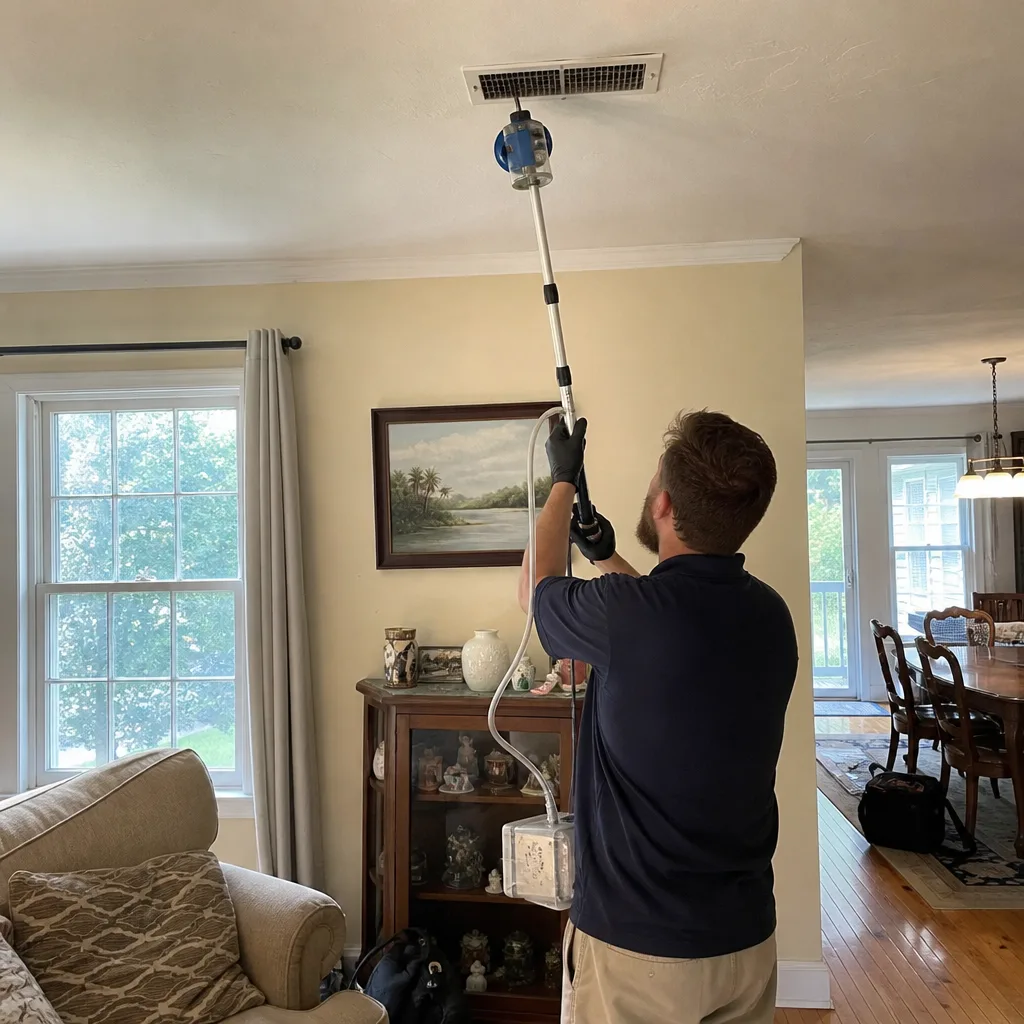
Last updated November 23, 2026
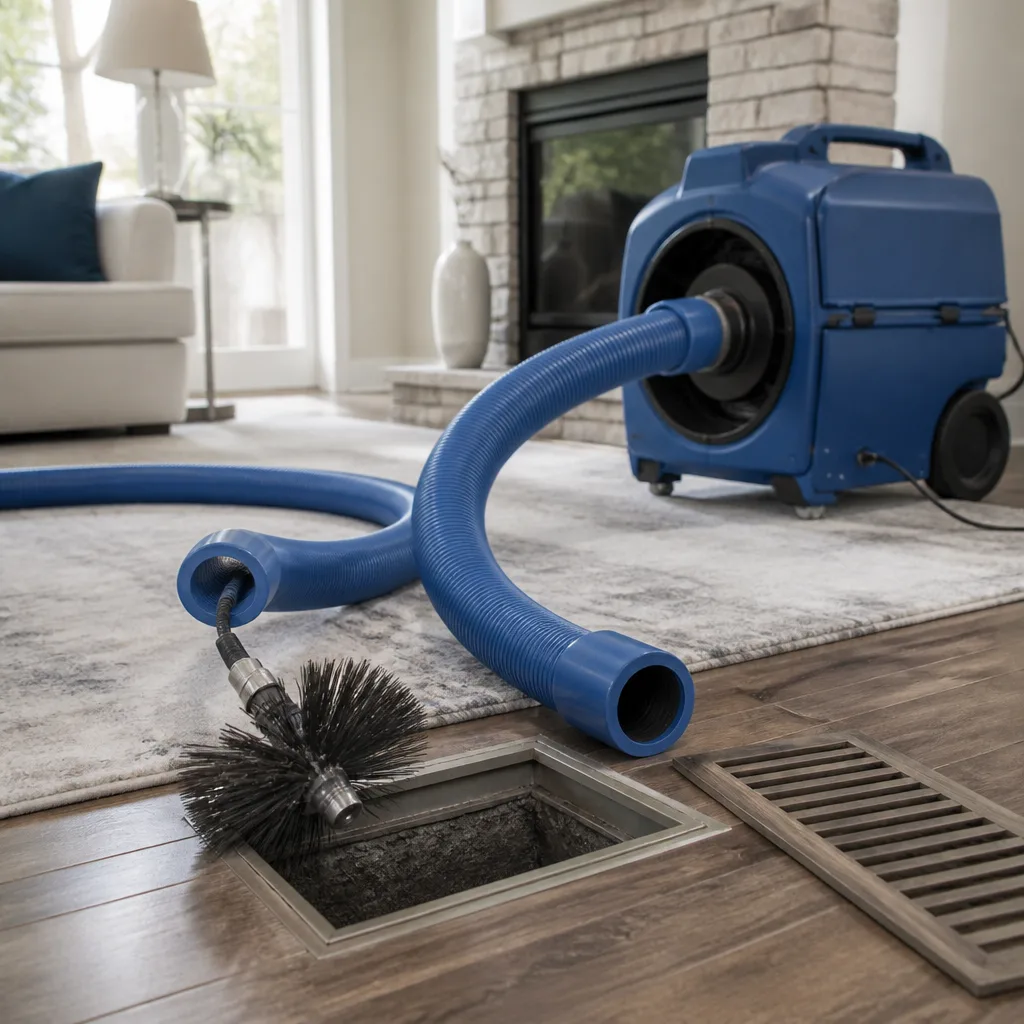 Whole-home duct cleaning
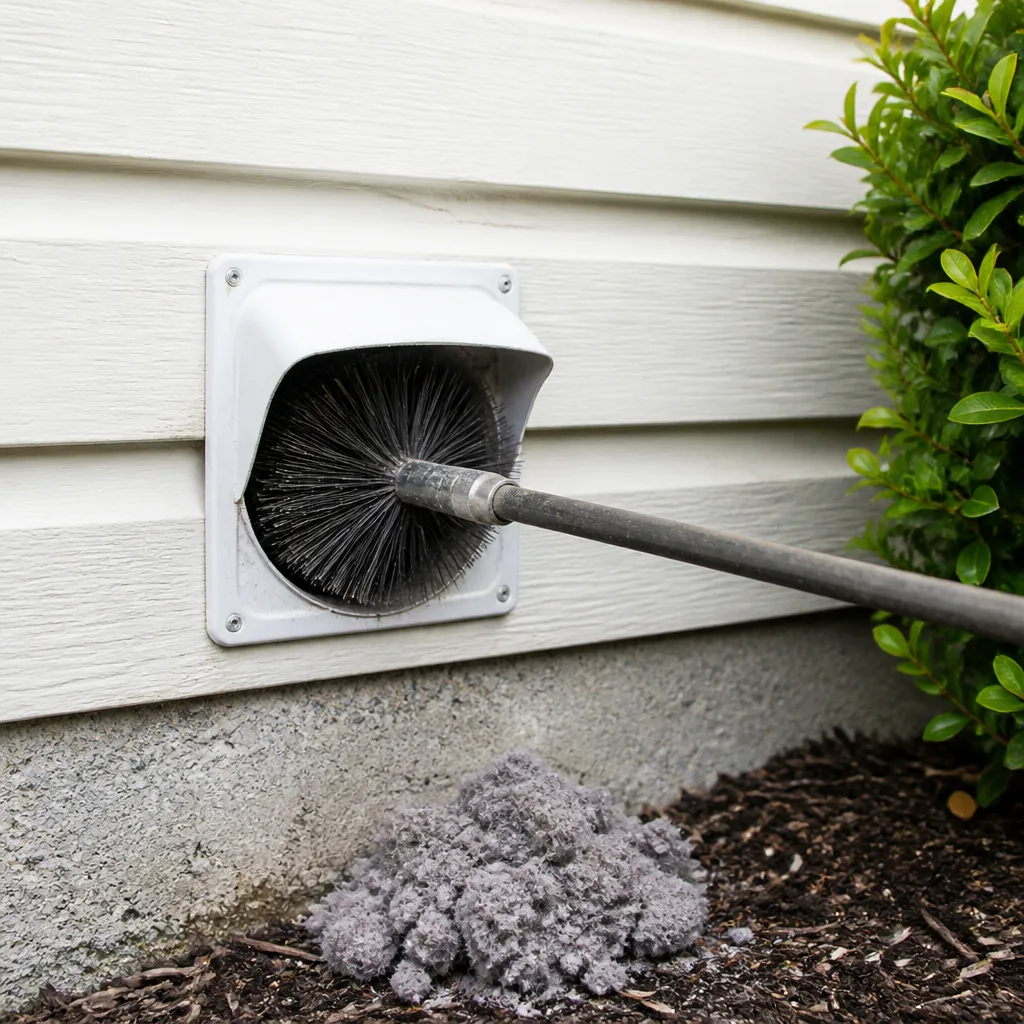 Dryer vent cleaning
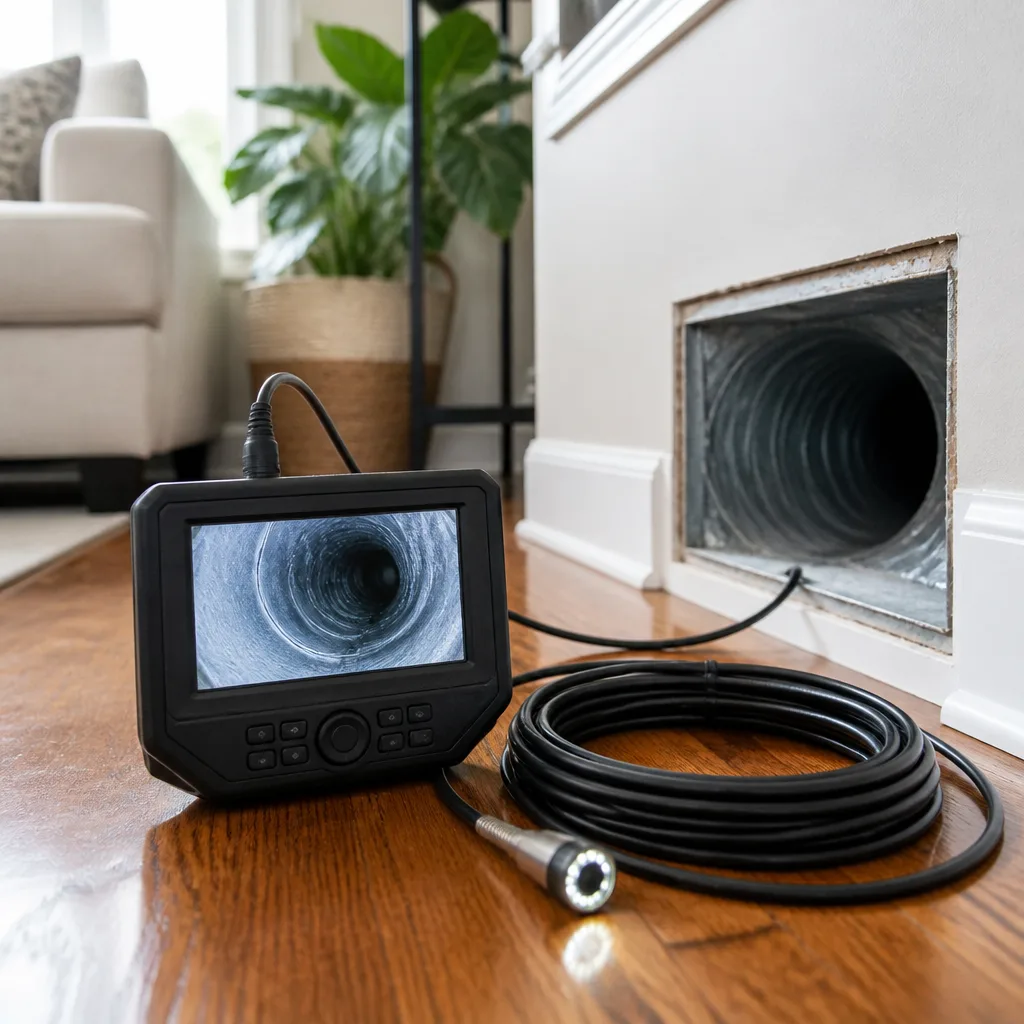 Camera inspection
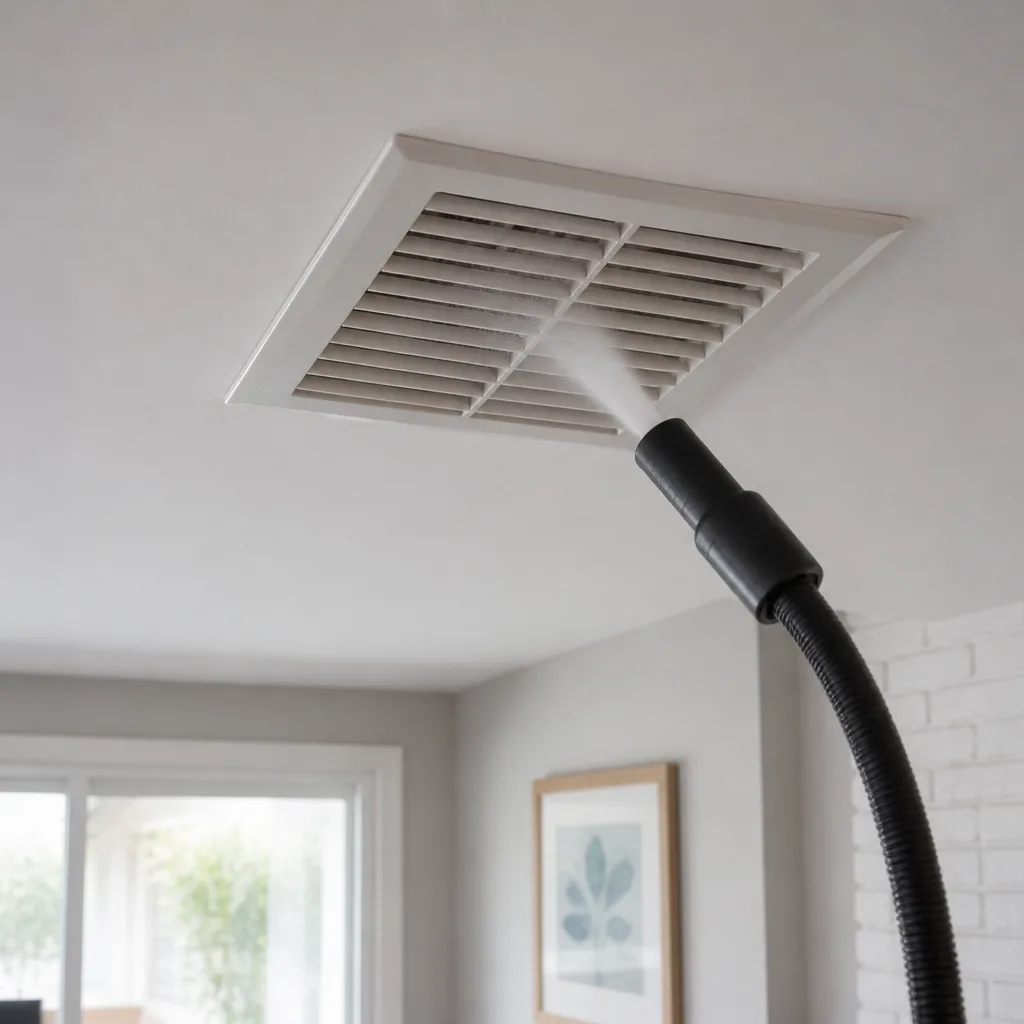 Sanitizing & deodorizing
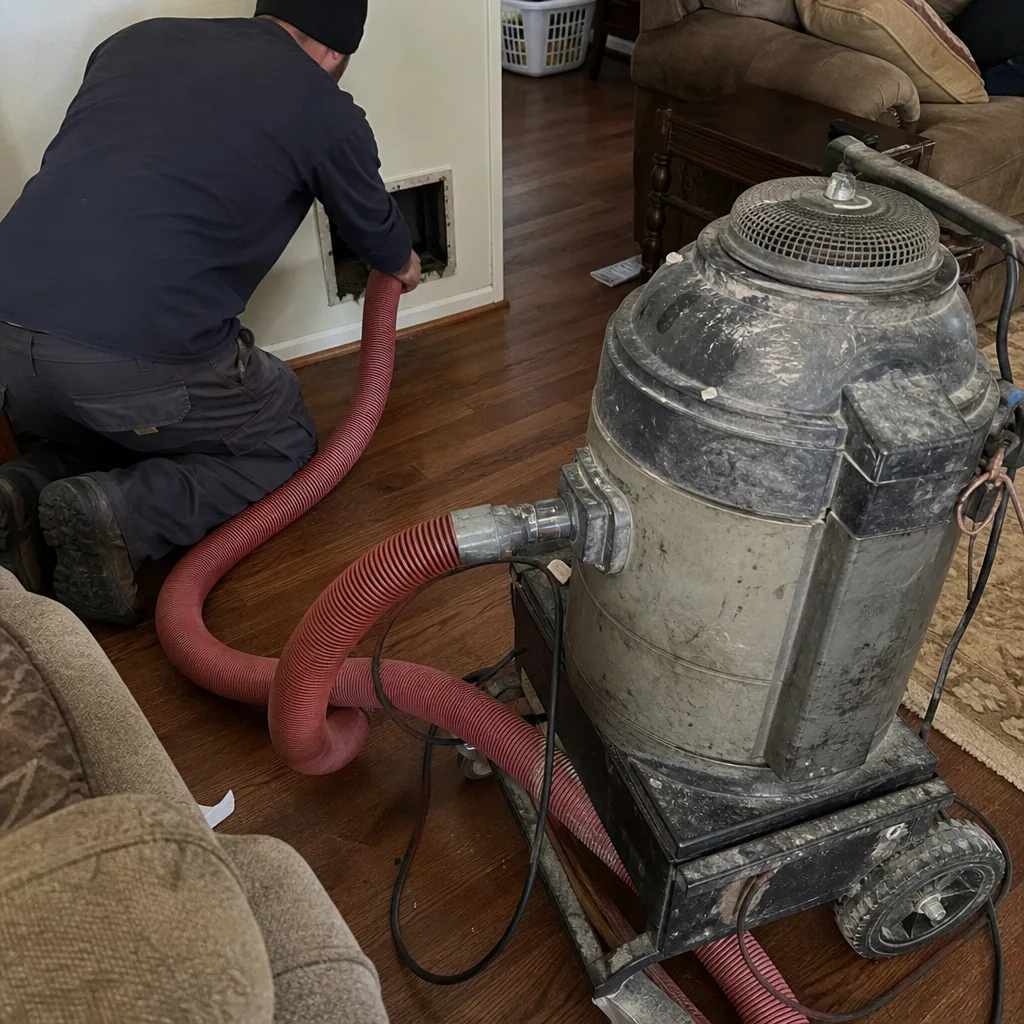
Whole-system duct and dryer vent check with before-and-after photos - you see exactly what came out of your vents
That "$99 whole-house special" is a bait ad - the real number appears once they are in your hallway, or the "clean" is a shop-vac at the register. We photograph the inside of your ducts before and after instead.
Air Duct Cleaning Warning Signs: A Hamilton Lakes Homeowner’s Reference Guide
The musty smell that hits for the first 10 minutes after your system kicks on isn’t your imagination or an old house quirk. It’s your ducts telling you exactly what’s growing inside them. Most homeowners in Hamilton Lakes wait for visible mold or a failing system before they act, and by then the contamination has usually been building for months. The signals were there the whole time – in the smell, in the airflow, in the dust pattern on a register grille. This guide teaches you to read those early indicators, to tell normal dust from biofilm, condensation from active mold, and rodent debris from insect debris. You’ll finish knowing what to check, what it means, and when it’s time to call.
Quick Answer
Air duct cleaning is warranted in Hamilton Lakes when you notice a musty odor in the first minutes of system startup, uneven room temperatures that persist despite a healthy HVAC system, visible dark staining or fuzzy growth at register grilles, pest debris in the supply path, or a heavy dust plume after recent renovation work. These five signals point to contamination that mechanical cleaning and sealing can resolve. A brief smell of dust on first startup each season is normal; a smell that lingers every cycle is not.
Styles & brands we work with
- Whole-home duct cleaning
- Dryer vent cleaning
- Camera inspection
- Sanitizing & deodorizing
Table of Contents
- What Does a Musty Smell From Your Vents Actually Mean?
- Normal Dust vs. Biofilm Contamination at the Register
- Why Are Some Rooms in Your Hamilton Lakes Home Always Colder?
- Condensation or Mold: How to Tell Them Apart During a Register Inspection
- Pest Activity in Ductwork: Rodent Debris vs. Insect Debris
- The Post-Renovation Warning Window
- When a Slow Dryer Is a Fire Risk Signal
- How a Professional Duct Inspection Actually Works
What Does a Musty Smell From Your Vents Actually Mean?
A musty smell that appears in the first 10 minutes after the system starts and then fades is the classic signature of biological growth on duct interior surfaces. The air sits still in the ductwork between cycles, moisture collects on cold metal and flex duct linings, and microbial life takes hold. When the blower pushes air through, it disturbs that growth and carries the smell into living space. Once the air is moving continuously the concentration drops, and the smell fades until the next cycle. That fade is exactly why so many Hamilton Lakes homeowners dismiss it.
Not every smell is contamination, so it’s worth separating the categories:
- A dusty, warm smell on the first heat of the season – normal. Dust settled on the heat exchanger and burns off. It disappears within a day or two and doesn’t return.
- A damp, earthy, cellar-like smell every cycle – biological growth. This is the signal worth acting on.
- A sharp, chemical or burning smell – not a duct-cleaning issue. Turn the system off and have the equipment inspected before running it again.
- An ammonia or urine smell, often strongest near floor registers – pest activity, covered further down.
You can test the smell’s source without opening anything. Run the fan only (no heat or cooling) for a few minutes and note when the odor peaks. If it peaks in the first five to ten minutes and then eases, the contamination is in the supply trunk or branch runs downstream of the air handler. If it’s constant the whole time the fan runs, the source may be in the return path or inside the air handler cabinet itself, which is where HVAC cleaning belongs in the conversation. That timing distinction tells a technician a lot before they ever arrive.
Normal Dust vs. Biofilm Contamination at the Register
Every register collects dust, and a light grey film wiped away with a damp cloth is ordinary housekeeping. Biofilm is different in three measurable ways: color, texture, and where it sits relative to airflow. Learning to read them takes a single inspection.
- Look at the color. Normal dust is uniform grey to brown. Biofilm trends darker, with black or green-black speckle, and often shows blotchy variation across the same grille rather than an even coat.
- Check the texture. Wipe a small area with a white paper towel. Dust comes off dry and powdery. Biofilm wipes away slightly smeared and tacky, like a film that was clinging to the surface.
- Note the position. Dust settles on the face of the grille. Biofilm grows on the louvers’ underside, on the boot above the grille, and on the duct wall behind it, in the damp, dark space where airflow is slowest.
- Watch the plume. Turn the fan on and hold a light near the register. A light haze of dust is normal on first startup. A visible plume that repeats every cycle points to a debris reservoir further down the run.
One more clue: look at the ceiling around each register. A soft dark ring on the drywall or ceiling paint just outside the grille is condensation staining, and it usually accompanies growth inside the boot. In Hamilton Lakes we see this most often on registers in bathrooms and laundry rooms, where indoor humidity runs higher, and on the ceiling registers of rooms above a garage slab where temperature swings are sharper.
Why Are Some Rooms in Your Hamilton Lakes Home Always Colder?
Inconsistent room temperatures in a well-maintained HVAC system usually trace to debris-restricted or leaking flex duct, not equipment failure. This is the most misdiagnosed warning sign we encounter. Homeowners replace a perfectly good air handler, or add a booster fan, when the actual problem is a branch run that’s crushed, disconnected, or loaded with debris halfway to the register.
Flex duct is the usual suspect because it’s easy to damage and hard to see. It runs through attics, crawlspaces, and between joists. It can be:
- Restricted – a collapsed section, a sharp bend tighter than the duct can handle, or debris accumulated at a low point.
- Leaking – a joint that pulled apart, a tear from a pest, or a taped connection that failed. Conditioned air escapes into the attic before it ever reaches the room.
- Disconnected – the duct has come off the boot entirely, so the register blows almost nothing while the system works harder to compensate.
Here’s the practical test. On a mild day, run the system for 20 minutes and feel the airflow at each register with your hand. A noticeable difference between one room and the next points to a restriction or leak on that branch. Then check whether the cold room is also the dustiest room. A run that’s leaking or crushed often pulls unconditioned, dusty attic air into the stream, so both symptoms show up together. In our experience across Hamilton Lakes’ mostly slab-on-grade homes, that combination almost always means the duct needs repair and sealing, not the equipment. Duct repair and sealing is a capability many cleaning-only companies don’t offer, which is why we treat it as part of the same visit rather than a referral.
Condensation or Mold: How to Tell Them Apart During a Register Inspection
Condensation is a maintenance fix. Active mold growth is a remediation situation. Confusing the two leads homeowners to either panic over a harmless water stain or ignore a real problem. You can tell them apart at the register with a flashlight and five minutes.
Condensation indicators:
- Water droplets or a damp sheen on the metal boot, with no fuzzy growth.
- Mineral streaks or a water line on the boot or grille, but no discoloration beyond the stain.
- The condition disappears when indoor humidity drops.
Active mold indicators:
- Fuzzy, velvety, or powdery growth with a definite three-dimensional texture.
- Growth that spreads along the duct lining over weeks, not just a stain.
- A musty smell that intensifies when the area is disturbed.
- Visible growth on the flex duct’s inner liner, often visible by looking up into the boot with a light from the side.
Condensation usually traces to an insulation gap on the duct, an oversized system short-cycling, or a home that’s simply running humid. Those are solvable. Active growth means spores are established on a surface the air passes over every cycle, and mechanical cleaning plus treatment is the answer. After cleaning, we use Guardsman-brand sanitizing treatments to address what mechanical removal can’t reach, and Aprilaire and Honeywell product familiarity lets us recommend filtration and humidity control that keeps the condition from returning. Flagging moisture as “something to watch” without fixing it is how a condensate problem becomes a growth problem. Call us for a free inspection if you’re unsure which one you’re looking at.
Pest Activity in Ductwork: Rodent Debris vs. Insect Debris
Rodent debris is coarse, dark, and often found in clusters near entry points. Insect debris is finer, lighter, and often accompanied by shed casings or wings. Both mean the duct system has been breached, and both require cleaning before the air is fit to breathe. But the two look different and the entry points differ.
Signs of rodent activity in ductwork:
- Dark, pellet-shaped droppings clustered in the boot or on top of the grille.
- Chewed edges on flex duct, insulation, or the flexible liner of a return.
- A urine or ammonia smell that’s strongest at floor-level registers and in rooms above the garage.
- Nesting material (shredded insulation, paper, fabric) pulled into a duct run.
Signs of insect activity in ductwork:
- Fine, powdery frass near joints and seams.
- Shed casings, wings, or body fragments that collect on register faces.
- Small live insects near supply vents after the system runs.
Hamilton Lakes’ mostly slab-on-grade homes give pests a particular advantage: the supply trunk often runs through or just above the slab, and any gap in the slab penetrations, plus the garage wall, is a potential entry. Attic runs are just as exposed. Inspect the ceiling of the garage where ducts enter the house, check the foundation line where plumbing and conduit penetrate the slab, and look for daylight or gaps at the wall plate between garage and living space. If you find chewed duct, don’t just clean it; the entry has to be sealed or pests return. Our duct repair and sealing service handles that gap in the same visit as cleaning.
The Post-Renovation Warning Window
Drywall dust and construction debris in ducts show up weeks after the work is done, not immediately. That delay is the trap. When the crew finishes and the dust settles, homeowners do a deep clean of the visible surfaces, the system runs for a few weeks, and then the symptoms appear – a gritty smell, a recurring fine white dust on horizontal surfaces, and a cough that seems to have no cause. By that point, the fine particulate has traveled through every branch run.
Here’s why the timing matters. Drywall sanding produces extremely fine particulate that stays airborne longer than sawdust. Once it enters the return, it coats the inside of flex duct and the air handler’s evaporator coil. The first few cycles distribute the heaviest load; after that, the dust deposits slowly, and the system re-entrains it a little at a time for weeks. The warning window is real, and the biggest signal isn’t visible dust – it’s the smell. A renovation-affected duct system develops a distinctly chalky, dry, “new construction” odor that intensifies when the heat first comes on.
If a Hamilton Lakes home has had renovation work within the last three months and the ducts haven’t been cleaned, the steps to check are simple:
- Wipe a paper towel inside several registers with a finger. White or pale grey powdery residue is a signal.
- Look at the top of the return grille – construction debris accumulates there first.
- Note any fine dust on horizontal surfaces near supply registers that returns within days of cleaning.
- Check the air handler filter – heavy loading during the weeks after renovation is a strong tell.
Professional cleaning after a renovation is different from a routine cleaning. The debris is fine and easily re-entrained, so the equipment has to capture it, not just loosen it. Our air duct cleaning service uses Abatement Technologies negative-air machines to hold the work area under negative pressure throughout, so what’s dislodged is captured at the source rather than pushed into living rooms.
When a Slow Dryer Is a Fire Risk Signal
A dryer taking two cycles to dry a normal load, or a laundry room that feels humid for an hour after the cycle ends, is a warning sign about the vent line, not the dryer. Lint accumulates in the vent run and restricts airflow. The dryer runs hotter and longer, and lint packed against a hot surface is a genuine fire risk. This is separate from the air duct system but part of the same indoor air quality picture, and it’s why we treat dryer vent cleaning as a routine safety check rather than an add-on.
Watch for:
- Loads that need a second cycle to dry fully.
- The dryer’s exterior or the top of the machine running hot to the touch.
- Lint visible around the outside vent flap, or the flap not opening fully during the cycle.
- A laundry room that stays humid after the dryer has stopped.
- Burning or scorched smell during any part of the cycle.
Most homes in Hamilton Lakes vent the dryer through the wall or the roof, and longer runs with more elbows collect lint faster. If it’s been more than a year since the vent line was last cleared, or the above signs are present, a quick professional cleaning resolves it. And if the dryer itself smells scorched or the vent flap doesn’t move during the cycle, stop using the dryer until the vent is checked.
How a Professional Duct Inspection Actually Works
A professional duct inspection involves a visual survey of the accessible duct system, a check of airflow at each register, and a camera inspection of the trunk and branch runs where needed. It’s not a sales pitch disguised as a diagnosis, and no cleaning should start until you’ve seen the evidence. Here’s what we do on a typical Hamilton Lakes visit:
- Filter and air handler check. We look at the filter loading and the visible condition of the air handler cabinet, blower, and coil. Heavy filter loading tells us what’s been moving through the system.
- Register-by-register airflow and visual check. We inspect each supply and return, note airflow differences, and photograph anything that looks like growth, pest debris, or excess dust.
- Camera inspection of trunk and branches. Where accessible, we use a camera to see inside the flex duct, confirm the source, and photograph what we find.
- Leak and connection check. We look for disconnected or crushed flex runs, failed joints, and torn duct – many of which we can repair and seal in the same visit.
- Photographic documentation. We show you what we found and what we propose, with the photos attached to the estimate.
Cleaning itself uses Rotobrush rotary brush systems for contact with the duct walls and Nikro HEPA-rated vacuum units to capture what’s dislodged. Abatement Technologies negative-air equipment keeps the work area in negative pressure throughout so that nothing redistributes into living space. You can look these brands up; equipment you can verify is the difference between a professional standard and a shop vac in a van. Those tools and methods are what our technicians bring, and our technicians have up to 11 years of experience applying them.
One more inspection note: if the camera finds active growth on the duct lining, we’ll say so and discuss treatment options. We don’t flag a problem and leave it for someone else to solve. Duct cleaning starts to finish is the point of the five services we offer. Air Duct Cleaning Hamilton Lakes is the place to start if you’d like a professional inspection scheduled.
Common Mistakes to Avoid
- Assuming the smell is an old house quirk. Many Hamilton Lakes homes are a few decades old, and a persistent musty smell gets chalked up to age. The age of the house has nothing to do with it; the humidity and stagnation inside the ducts do.
- Replacing equipment to fix a duct problem. When one room won’t heat or cool, the cause is often a crushed or leaking flex run. Replacing the air handler first is expensive and doesn’t address the restriction.
- Treating condensation with a dehumidifier alone. Reducing indoor humidity helps, but a duct that’s missing insulation still sweats. The insulation gap has to be fixed.
- Cleaning ducts without repairing chewed or disconnected runs. Cleaning a breached system and leaving the gap is a temporary fix. The entry point must be sealed in the same visit.
- Waiting months after renovation. The warning window means the fine particulate has had weeks to spread. Cleaning within the first few weeks after the renovation limits how much of the system is affected.
- Skipping the dryer vent. It’s not the same system, but it sits in the same indoor air environment and carries a real fire risk. If you’re having ducts cleaned, have the vent line checked on the same visit.
- Chasing the lowest quote. The cheapest per-vent price tends to become a much larger invoice once the technician is on site. Ask about the whole-system price in writing before work begins, and confirm the equipment being used.
See the difference
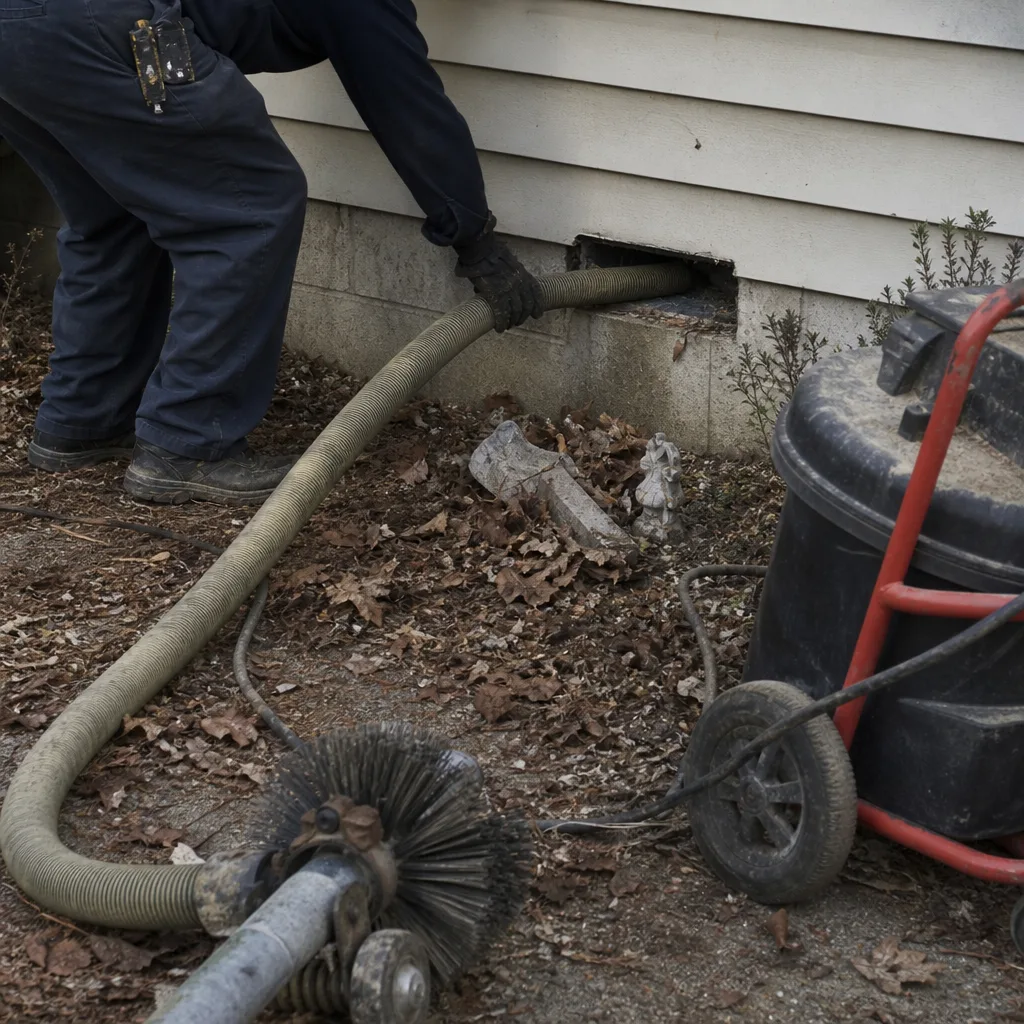 Before
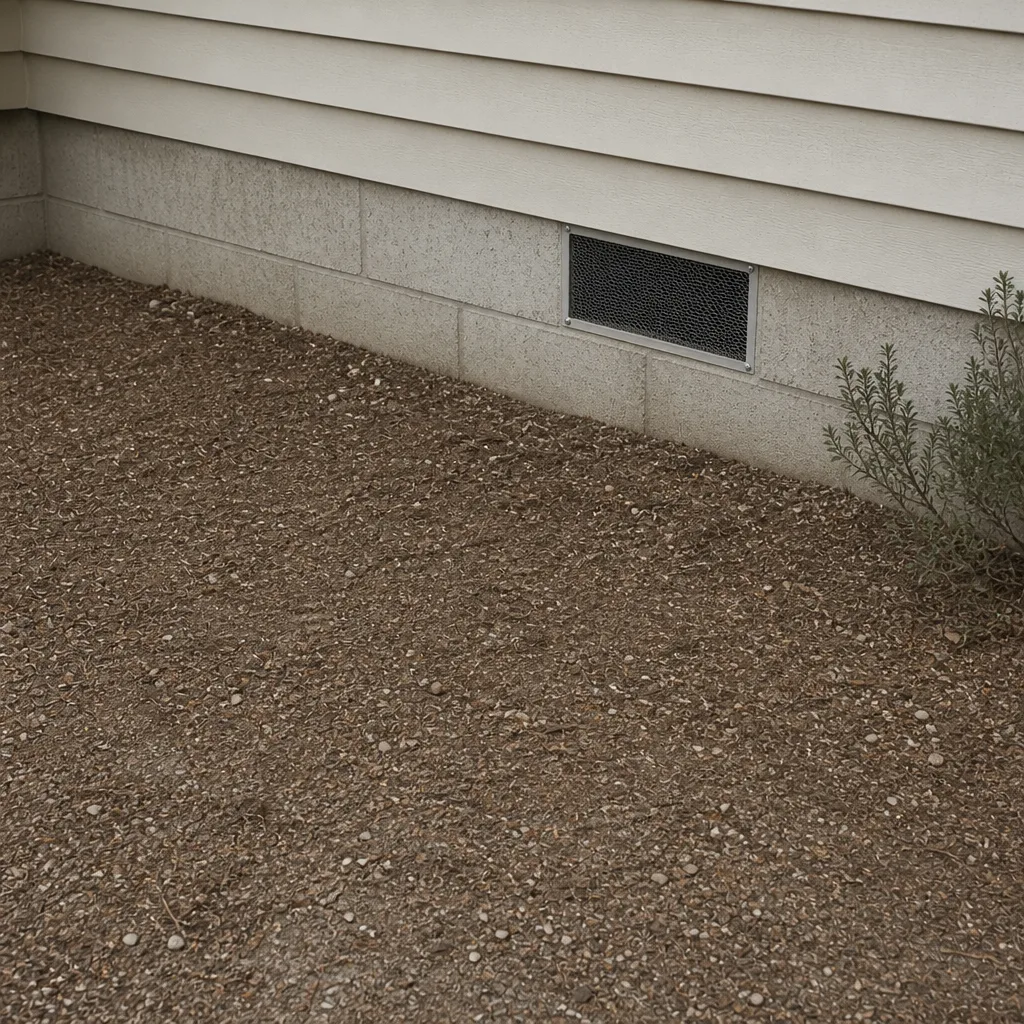 After
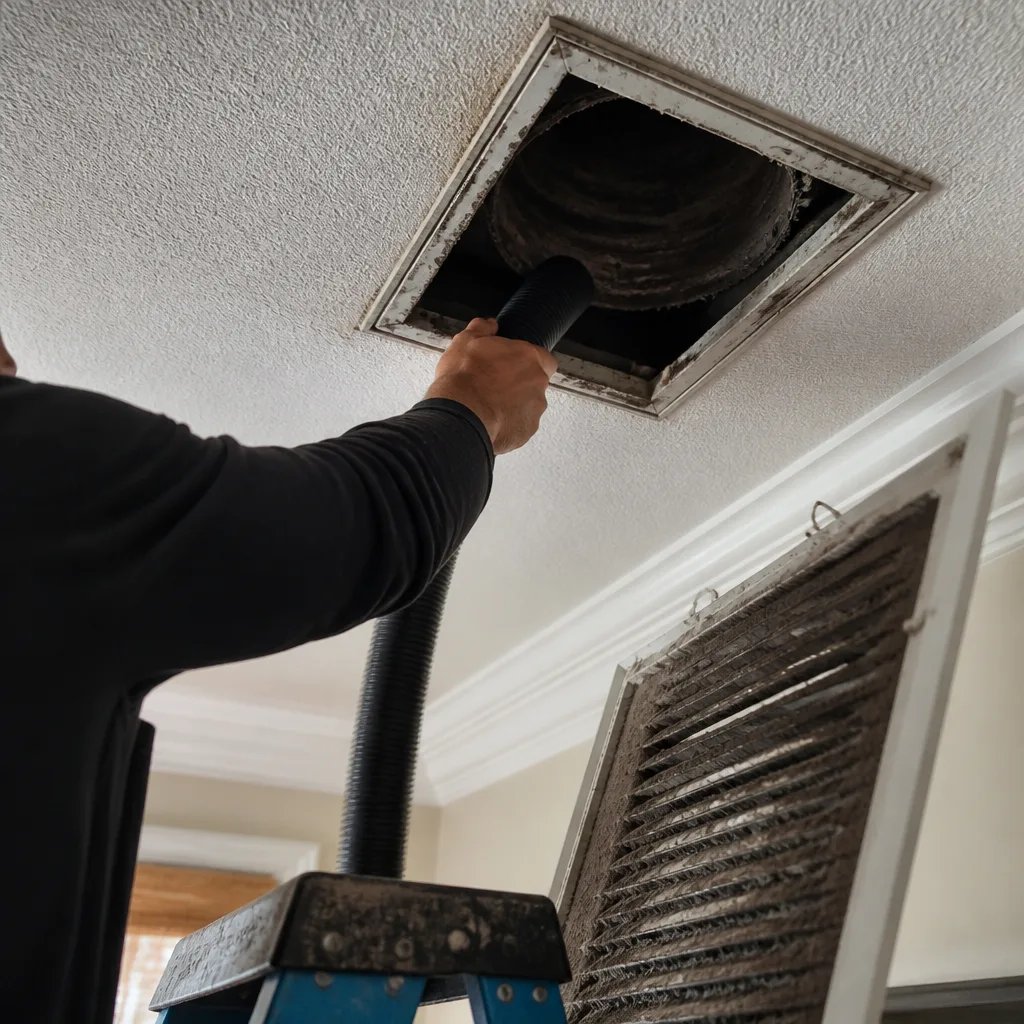 Before
 After
 Before
 After
When to Call a Professional
Call a professional when you notice any of the following: a musty smell in the first 10 minutes after the system starts; a persistent musty smell that returns every cycle, not just on the first heat of the season; dark staining, fuzzy growth, or tacky film at multiple registers; uneven airflow or room temperatures that don’t respond to filter changes; visible pest debris or chewed duct; a renovated area that now shows recurring fine dust; or a dryer that needs two cycles. If you’re seeing any of those, the system is worth a professional look. Air Duct Cleaning Hamilton Lakes offers free estimates in Hamilton Lakes – call (877) 792-7445. We answer 24/7, with fast dispatch from 7am to 7pm, Sunday through Friday.
Frequently Asked Questions
Typical estimates for a whole-system cleaning in Hamilton Lakes fall in the mid-hundreds of dollars, with the final figure depending on the number of registers, system size, accessibility, and whether repair or sanitizing is added. We don’t quote a per-vent teaser price, because that’s how a low coupon becomes a much larger invoice once the technician is on site. You get one flat price per system, agreed in writing before any work starts, and the written estimate sets the final price. Call (877) 792-7445 for an exact quote – estimates are free.
You know because you see it. We photograph before and after each register and the trunk run, and we attach those photos to the written report. The equipment is verifiable too: Rotobrush rotary brush systems, Nikro HEPA-rated vacuum units, and Abatement Technologies negative-air machines. You can look each of those brands up and confirm the standard they represent. Call (877) 792-7445 with questions about the process – estimates are free.
Cheap quotes usually cut two costs: the equipment and the scope. A shop vac and a quick brush at each register is quick and cheap. A proper cleaning uses contact tools on the duct walls, HEPA-rated capture, and negative pressure to keep dislodged debris out of the living space. It also includes a camera inspection and a check for cracks, disconnected runs, and growth – all of which the cheap version skips. Ask what equipment will be used and whether the price is per system or per vent. Call (877) 792-7445 – estimates are free.
Most Hamilton Lakes homes benefit from a professional cleaning every three to five years, more often after major renovation, after a pest problem has been resolved, or when the home has a high-humidity room like a laundry or oversized bathroom that stresses the system. Routine filter changes at the schedule the manufacturer recommends and keeping indoor humidity in check do most of the preventative work. If you’re not sure whether it’s due, a free inspection settles it. Call (877) 792-7445.
A light grey film on register grilles is normal housekeeping. A visible plume that repeats every cycle, fine white dust that returns days after cleaning, or tacky dark film on the underside of the grille is a sign worth checking. Taste the difference by noting whether the dust is powdery (ordinary) or slightly smeared (biofilm). When in doubt, call (877) 792-7445 for a free inspection.
Dust, pollen, and biological growth that accumulate in ducts are recirculated into living spaces on every cycle, so people with allergies and asthma often notice symptoms indoors that ease when they’re away from home. A professional cleaning removes the reservoir, and if growth is present, Guardsman-brand sanitizing treatments address what mechanical cleaning alone can’t. Filtration and humidity upgrades from Aprilaire and Honeywell after cleaning keep it from returning. Call (877) 792-7445 for a free assessment.
The Bottom Line
The signals that matter – the musty smell that fades after ten minutes, the cold room that isn’t explained by the weather, the tacky film on a register, the fine white dust after a renovation – all show up well before the obvious problem. Learn to read those early indicators and you’ll act months before contamination becomes a remediation situation. The core checks are simple: smell, airflow, the wipe test on a grille, and a look at the duct penetrations in the garage and foundation. When the signals are present, a professional inspection with verifiable equipment and photographic proof tells you what’s actually happening. Repair and sealing round out the cleaning, so nothing is left flagged and unfixed.
If any of the warning signs in this guide sound familiar, the next step is straightforward. Call (877) 792-7445 for a free estimate from Air Duct Cleaning Hamilton Lakes. We answer 24/7, with fast dispatch from 7am to 7pm, Sunday through Friday. You’ll see the photos before you approve any work, and the written estimate sets the final price per system.
Written by the team at Air Duct Cleaning Hamilton Lakes.