
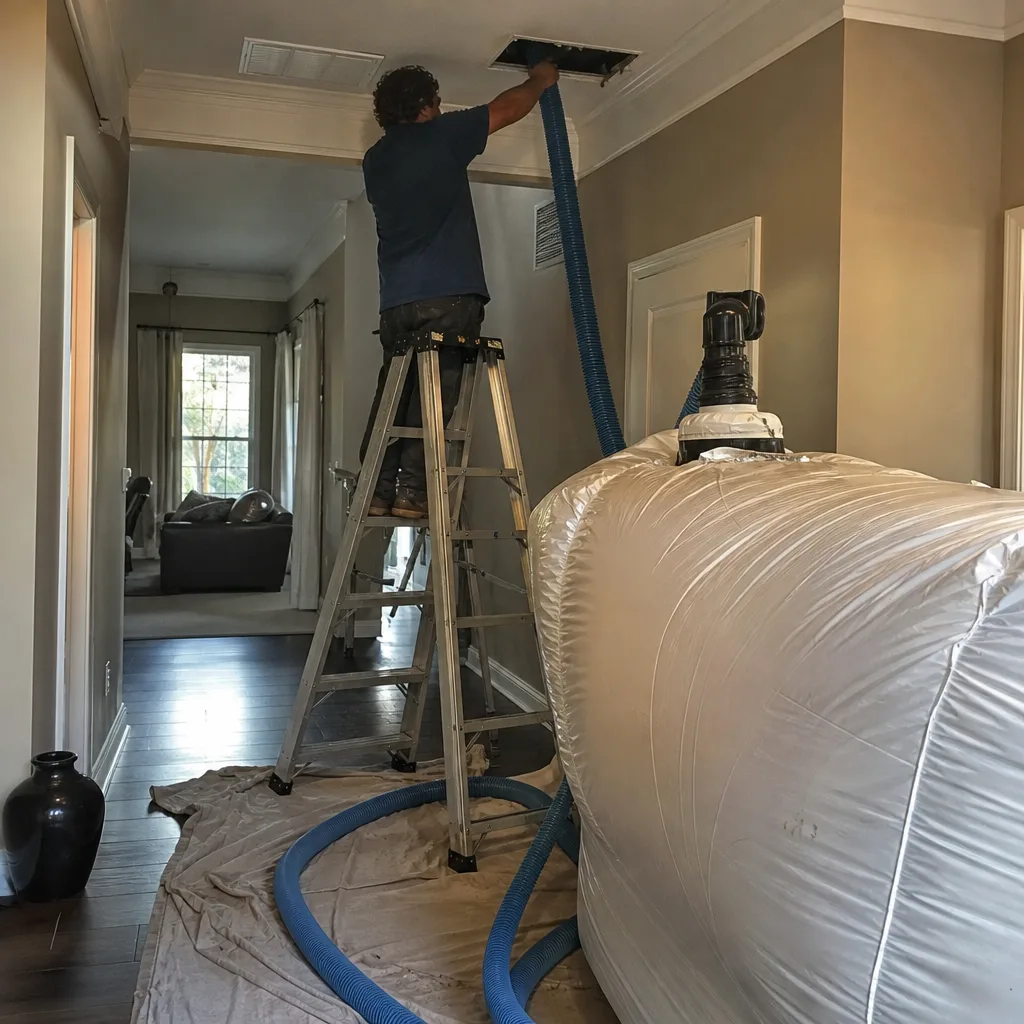
Last updated November 23, 2026
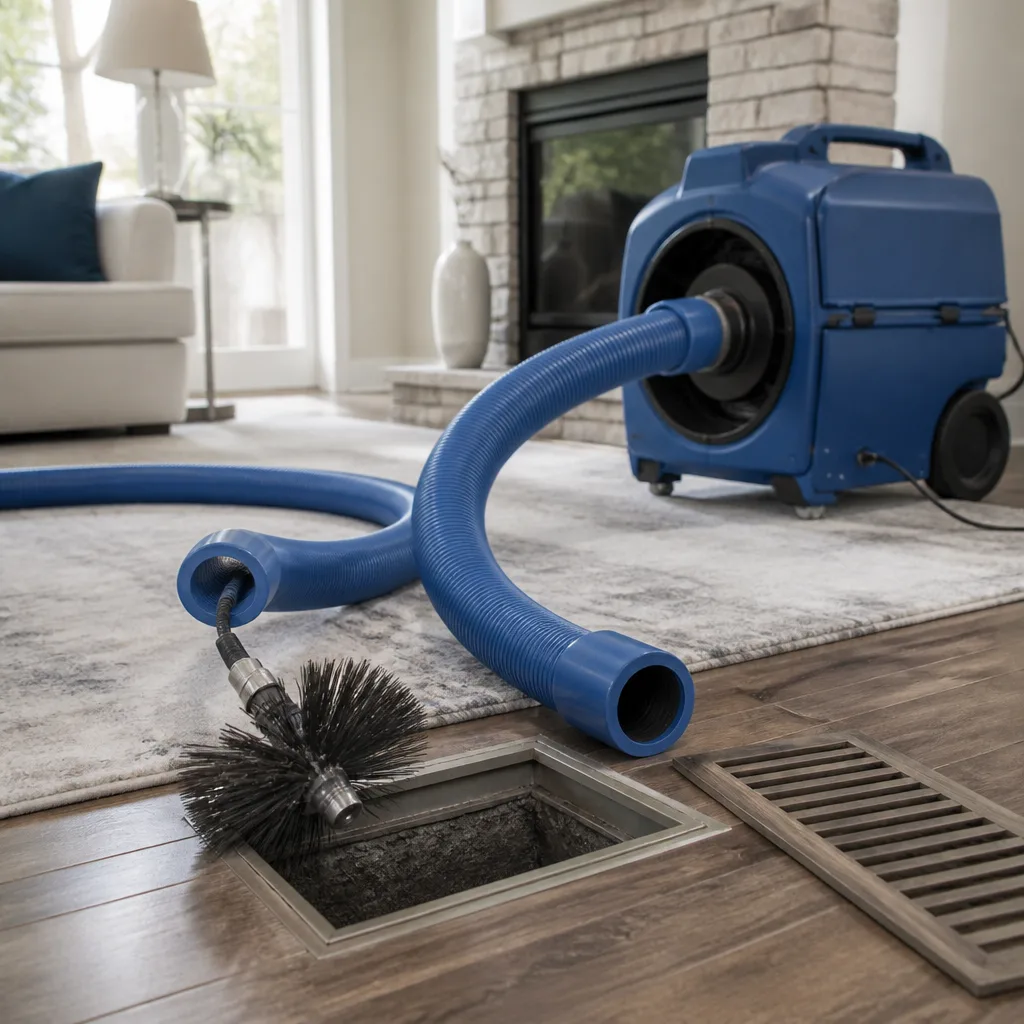 Whole-home duct cleaning
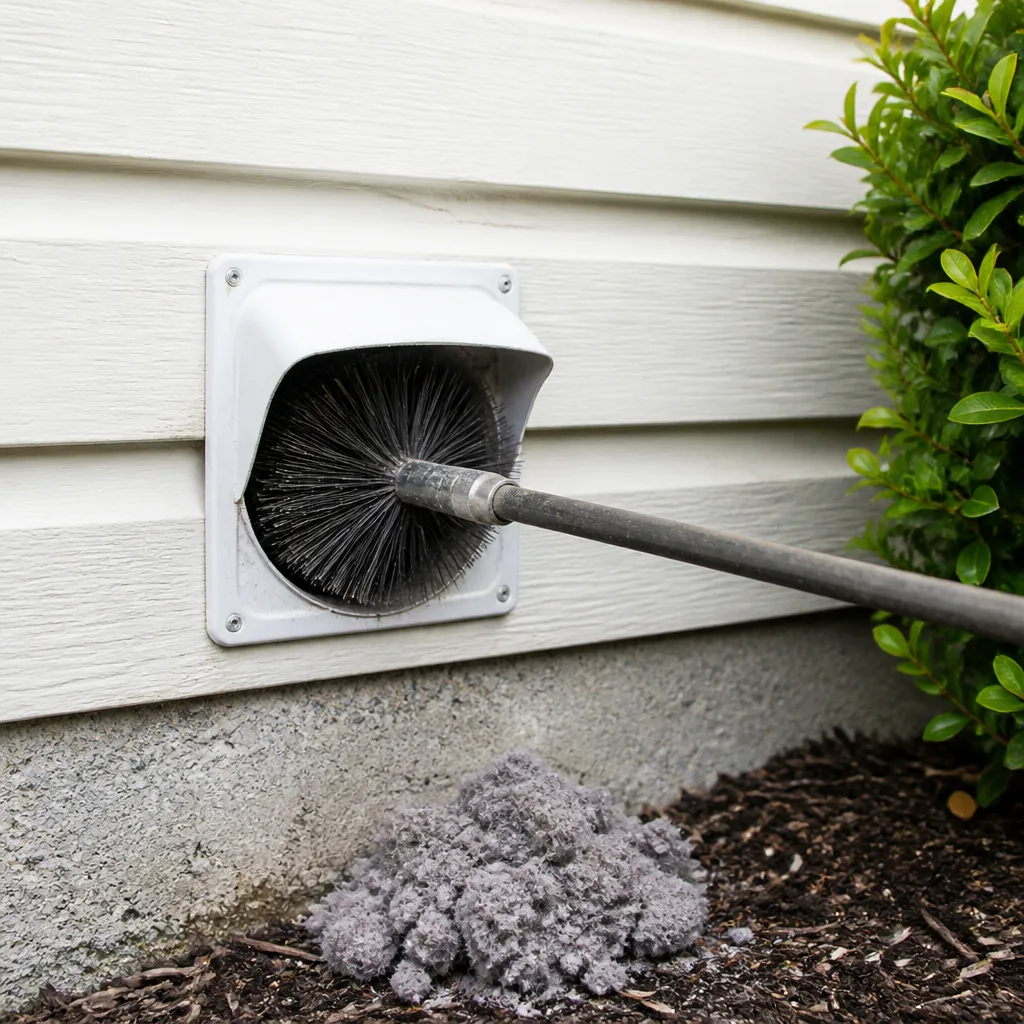 Dryer vent cleaning
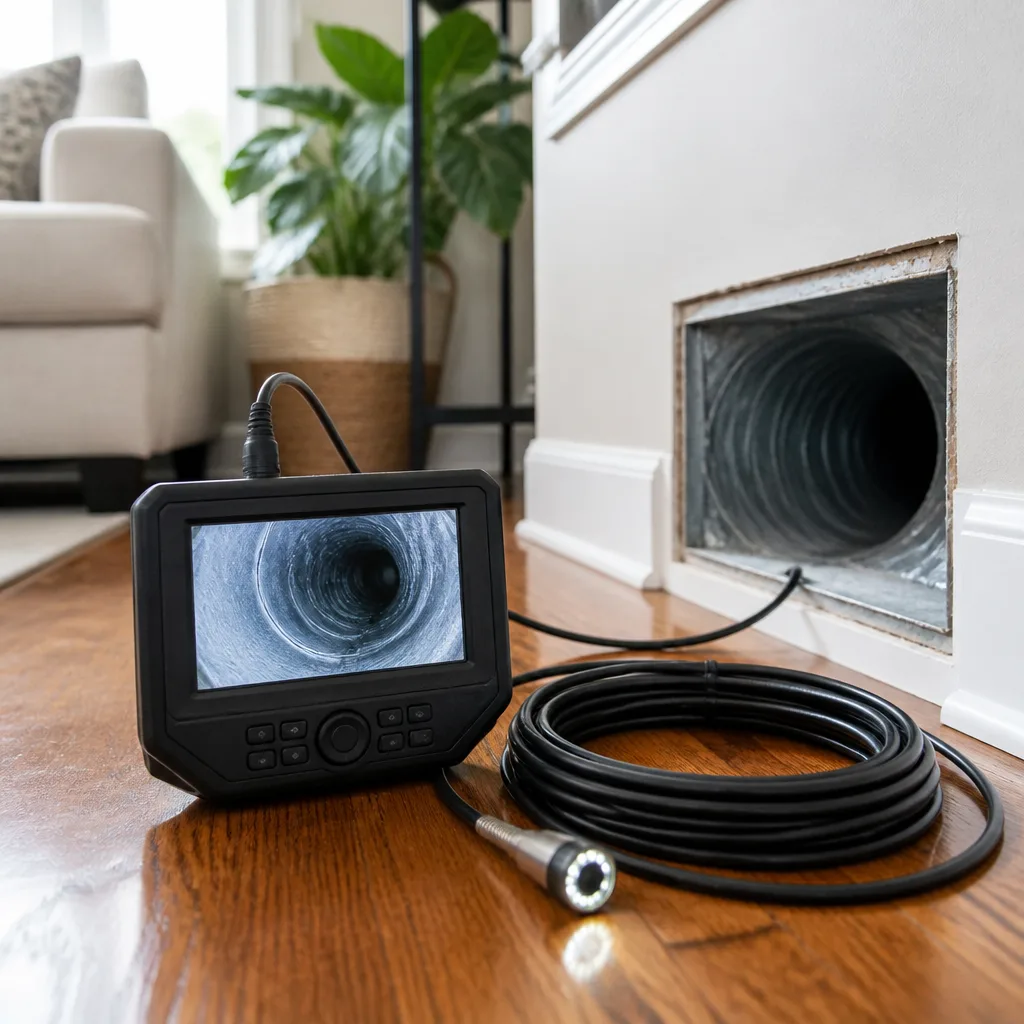 Camera inspection
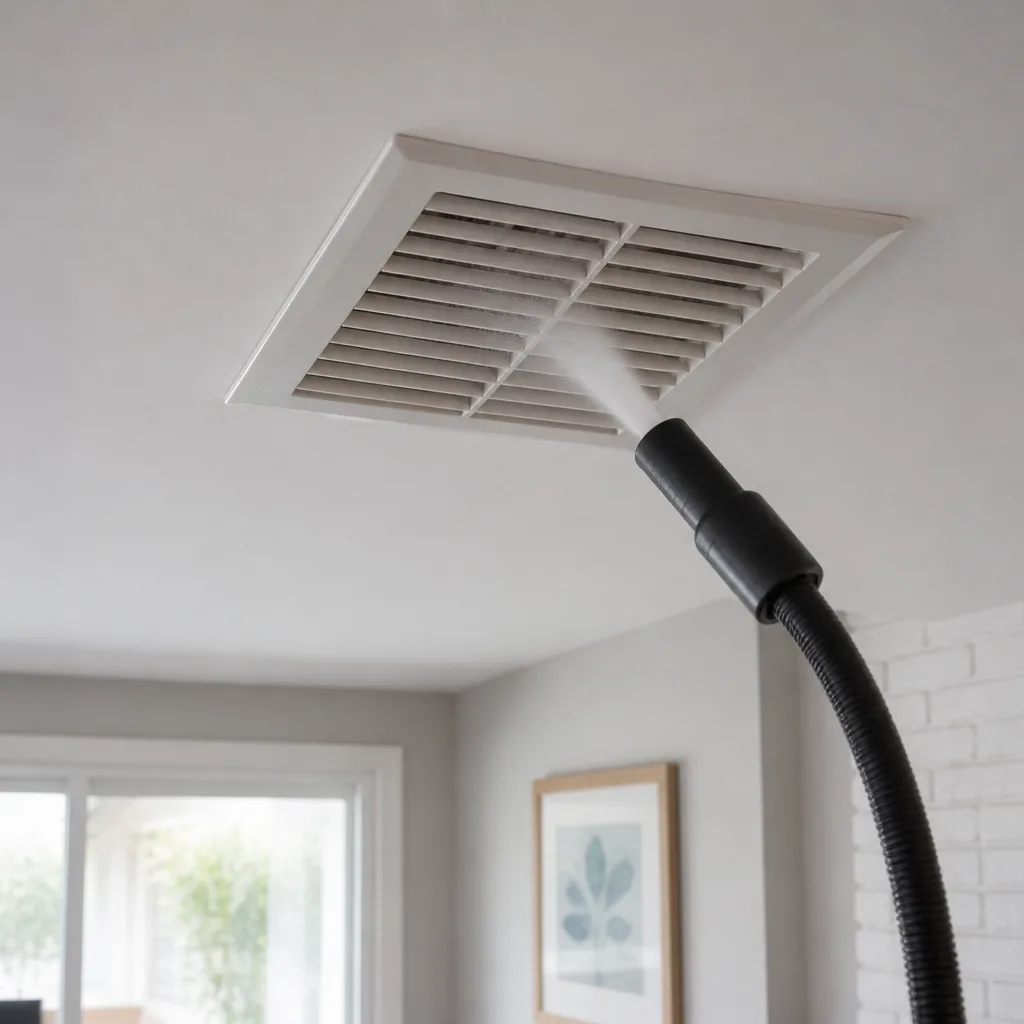 Sanitizing & deodorizing
Whole-system duct and dryer vent check with before-and-after photos - you see exactly what came out of your vents
That "$99 whole-house special" is a bait ad - the real number appears once they are in your hallway, or the "clean" is a shop-vac at the register. We photograph the inside of your ducts before and after instead.
DIY vs Professional Air Duct Cleaning: The Hamilton Lakes Homeowner’s Decision Guide
A shop vac fitted to a floor register pulls roughly 1 to 2 inches of water column of pressure. Professional duct cleaning equipment runs at 8 to 12. That gap is the whole argument, and it has nothing to do with how hard you’re willing to work. Most homeowners in Hamilton Lakes who try cleaning their own ducts don’t fail because they lack effort. They fail because the machine on the other end of the hose can’t lift what’s stuck to the inside of the duct. This guide explains the physics plainly, shows which tasks you can absolutely handle yourself, and marks the line where a professional setup stops being optional.
Quick Answer
DIY air duct cleaning works for surface tasks: register covers, return grilles, lint traps, and visual inspection. It does not work for source removal inside the ductwork, because consumer vacuums can’t generate enough negative pressure to pull debris loose, and HEPA capture without that pressure just stirs contaminants into your living space. Professional cleaning in Hamilton Lakes makes sense when you have visible debris, a recent renovation, respiratory concerns in the household, or a system that’s never been cleaned.
Styles & brands we work with
- Whole-home duct cleaning
- Dryer vent cleaning
- Camera inspection
- Sanitizing & deodorizing
Table of Contents
- The Physics Behind Source Removal: Why Suction Capacity Is the Real Limiting Factor
- What You Can Legitimately Do Yourself
- What Consumer Equipment Cannot Do
- The Rental Equipment Reality
- When Professional Service Is Non-Negotiable
- What a Real Professional Cleaning Looks Like, Step by Step
- Why Hamilton Lakes Homes Present Specific Duct Challenges
- What Professional Cleaning Costs and How to Evaluate a Quote
The Physics Behind Source Removal: Why Suction Capacity Is the Real Limiting Factor
Duct cleaning has one governing principle: you have to put the debris into suspension before you can pull it out. Dust, dander, and construction residue bond to duct walls through a mix of static charge, moisture, and simple time. Suction alone, even strong suction, tends to slide past that layer. What breaks the bond is contact agitation, a rotary brush or air whip physically scraping the surface, followed immediately by enough negative pressure to capture what’s been loosened.
This is why the industry term is “source removal” and not “vacuuming.” The two halves of the job, agitation and capture, have to happen at the same time and in the same place. If the capture side is weak, agitation makes the situation worse, not better, because you’ve now aerosolized contaminants that were previously settled.
Where the pressure numbers come from
Water column is the standard measure of vacuum strength in ductwork. A consumer shop vac attached to a register fitting typically develops 1 to 2 inches of water column. That’s enough to pull loose surface dust from the first few feet of a trunk line. It’s nowhere near enough to clear a 20-foot branch run, and it collapses entirely once you introduce a filter that catches fine particulate, which is why unsealed shop vacs exhaust the fine dust back into the room while the heavy debris stays put.
Professional units from Nikro operate at 8 to 12 inches of water column and hold that pressure through HEPA filtration. The filter doesn’t fight the vacuum because the machine was engineered around it. That’s the entire mechanical difference, and it’s the reason we don’t recommend homeowners attempt interior duct cleaning with consumer equipment.
What negative air actually accomplishes
Negative air pressure in a sealed duct system does two things at once. It prevents debris from escaping into the room through register gaps and seams, and it gives the technician directional control, so loosened material flows toward the collection point instead of settling in a different section of duct.
Abatement Technologies negative-air machines are used for exactly this reason in remediation work. Sealing the system and maintaining inward pressure means the debris you dislodge has one place to go: into the HEPA unit. Without that setup, the debris has dozens of places to go, and most of them are inside your home.
What You Can Legitimately Do Yourself
We’re not going to tell you every duct-related task requires a professional. A meaningful share of the maintenance that protects indoor air quality is well within reach for any homeowner with basic tools and a ladder. Doing these tasks yourself makes professional cleanings last longer and, frankly, makes the professional visit cheaper.
- Remove and wash register covers and return grilles. Pop each cover off, wash in warm soapy water, dry fully, and reinstall. This alone removes the visible dust layer that makes a room feel stale. Do it twice a year, and again after any renovation.
- Vacuum the register opening itself. With the cover off, run a brush attachment around the collar and the first few inches of visible duct. That’s the surface reachable by hand. Don’t push tools deeper.
- Clean the dryer lint trap after every load. This is the single most important task in the whole list from a safety standpoint. Lint buildup in a dryer vent is a fire fuel source, not just a performance problem.
- Inspect the dryer vent run periodically. Disconnect the vent from the back of the dryer and look inside with a flashlight. If you see significant lint accumulation or the exhaust flap outside isn’t opening fully during a cycle, that’s the point where you call.
- Change HVAC filters on schedule. A clean filter keeps the air handler from recirculating dust through the system. Check it monthly during heating and cooling season and replace according to the manufacturer’s recommendation.
- Do a visual inspection of accessible ductwork. In a basement or crawlspace, look for disconnected joints, crushed flex sections, or visible moisture. You’re documenting, not fixing. Flag anything you find for a professional.
None of that requires specialized equipment, and all of it contributes to better air quality in a Hamilton Lakes home. The tasks take an afternoon, maybe two if you’re thorough about the return grilles.
What Consumer Equipment Cannot Do
Here’s the honest boundary. Everything below the register collar, everything inside the duct runs, everything in the plenum and air handler compartment, requires professional equipment. Not because the task is complicated for a trained technician, but because the tools required don’t exist in a consumer or rental format.
Agitate and extract from flex duct interiors
Flex duct has ridges and corrugations that trap debris. A rotary brush system like the Rotobrush is designed to travel the interior of the duct, spin against the walls, loosen material from every corrugation, and hand that material off to the vacuum a few feet behind. The tool and the vacuum are one integrated system. You can’t replicate it with a shop vac and a long hose. Pushing a consumer hose down a flex run mostly just compacts the debris against the far end.
Clean the plenum and air handler compartment
The plenum is the box above or beside the air handler where the main trunk connects. It accumulates debris faster than anywhere else in the system because air velocity drops there. Cleaning it requires opening the unit, working inside an enclosed metal compartment, and reinstating the seal afterward. This is HVAC cleaning territory, not something to attempt with a vacuum and a screwdriver.
Achieve HEPA-filtered capture
HEPA filtration is defined by capture efficiency on fine particulate. A shop vac rated “HEPA-like” on the box, or a bag filter stuck into a standard canister, isn’t HEPA. Real HEPA units in duct cleaning are engineered together with the vacuum chamber and the motor so that all of the air being pulled goes through the filter. With consumer gear, a significant portion of the exhausted air bypasses filtration entirely, which is how a homeowner can spend two hours cleaning ducts and end up with more airborne dust than they started with.
Seal and repair damaged duct
Cleaning exposes problems: gaps at joints, crushed sections, disconnected runs, deteriorated sealant. A cleaning-only service flags these and leaves. Our Air Duct Cleaning Hamilton Lakes work includes duct repair and sealing, so leaks found during cleaning get fixed in the same visit. That matters because leaky ducts undo the cleaning job within a season by pulling unconditioned attic or crawlspace air back into the system.
The Rental Equipment Reality
Duct cleaning machine rentals exist, and homeowners reasonably assume the rental closes the gap. In practice, the rental usually includes the vacuum and the hose. It rarely includes the contact-cleaning tools, the rotary brush heads, the air whips, the sealing collars, or the HEPA-rated filtration, which means the renter ends up with slightly more powerful suction and the same fundamental problem: no way to dislodge debris that’s bonded to the duct wall.
Think about the economics. A rental typically runs for a day. Professional equipment, properly deployed, cleans an average Hamilton Lakes home in several hours. The rental gives you one day with partial equipment and no experience running it. The comparison isn’t cost-versus-cost, it’s outcome-versus-outcome.
There’s also a real risk angle here. Pushing unfamiliar tools into a duct system can disconnect flex runs, damage dampers, or break a register boot that then has to be repaired. Those repairs cost more than the cleaning would have. In our experience, the DIY duct cleaning attempts that go wrong usually fail at the equipment selection stage, before anyone’s opened a register.
What’s genuinely worth renting? A quality wet/dry vac for register cleaning and general household use. A dryer vent brush kit for the short accessible run behind the dryer. Neither of those is duct cleaning equipment, and both are useful to own.
When Professional Service Is Non-Negotiable
Some situations move air duct cleaning from “worth considering” to “do this now.” These are the four situations where we’d advise any Hamilton Lakes homeowner to skip the DIY question entirely:
- Post-renovation debris. Drywall dust, sawdust, and fiberglass particles get pulled into the return side during construction and settle throughout the system. Consumer vacuums cannot extract drywall dust from duct interiors; they can only aerosolize it. A professional cleaning with negative air sealing is the only way to remove it without redistributing it into the living space.
- Visible mold. Mold inside ductwork is a genuine health concern and requires more than mechanical cleaning. The ducts need air quality sanitizing after cleaning to address spores that survive mechanical removal. Guardsman-brand sanitizing treatments are the standard for this work, and they need to be applied by a technician who can verify the duct surface is dry and clean first.
- Pest contamination. Rodent or insect activity in ductwork leaves droppings, nesting material, and biological residue that requires professional removal and sanitizing. This is a health hazard, and we recommend against any homeowner attempt at it.
- Households with respiratory illness, allergies, or asthma. When someone in the home has a diagnosed respiratory condition, the standard for “how clean is clean enough” is higher. Professional cleaning with HEPA capture followed by HVAC cleaning and sanitizing is the appropriate response, and it should happen on a more frequent schedule.
If you’re in one of those categories, the DIY question is already settled. Call (877) 792-7445. We answer 24/7. Fast dispatch from 7am to 7pm, Sunday through Friday.
What a Real Professional Cleaning Looks Like, Step by Step
Homeowners asking for estimates deserve to know what they’re paying for. Here’s the sequence a proper professional cleaning follows, and it’s worth comparing any quote you receive against it:
- Visual inspection and system mapping. The technician identifies supply and return runs, counts registers, and locates the air handler. Any disconnected, crushed, or damaged duct is noted. This is where most duct repair and sealing needs first surface.
- Negative air setup. An Abatement Technologies negative-air machine is connected and sealed to the system. The system goes under negative pressure, pulling inward at every register. Debris dislodged later cannot escape into living space.
- Register and grille removal. All covers come off, and the openings are prepared for the cleaning tools.
- Contact agitation with rotary brush equipment. A Rotobrush system travels each duct run, brushing the interior walls and handing debris directly to the vacuum source. This is the step that does the actual work, and it’s the step rental equipment almost never provides.
- HEPA-filtered extraction. The Nikro HEPA vacuum runs continuously through the process, capturing the loosened debris. The HEPA filter is what keeps fine particulate out of the air you breathe while the work is happening.
- Plenum and air handler cleaning. The compartments where air velocity drops and debris accumulates receive their own cleaning pass.
- Duct repair and sealing where needed. Any leaks, crushed sections, or disconnected joints are repaired and sealed before the system comes back online. This is the completion step that most cleaning-only services don’t provide.
- Sanitizing treatment if needed. For households with respiratory concerns, visible mold history, or pest contamination, a Guardsman sanitizing treatment addresses biological contaminants remaining after mechanical cleaning.
- Final verification with before-and-after photos. You should see what came out of your ducts and what the ducts look like after. Ask for this on any quote.
That sequence is what “clean ducts start to finish” actually means. Any step skipped is a step where the work isn’t complete. For a fuller picture of the process, see our air duct cleaning service page.
Why Hamilton Lakes Homes Present Specific Duct Challenges
Hamilton Lakes sits in the central Piedmont of North Carolina, and the local climate matters for ductwork in ways that aren’t obvious until you’ve cleaned a few hundred homes here. The long humid summers keep moisture in the air from June through September, and humid air pulled into a leaky duct system condenses on cooler metal surfaces. That condensation is where mold growth starts. It’s also why duct repair and sealing is a more common recommendation here than in drier parts of the country.
The heating season runs severe enough that homes spend a meaningful stretch of the winter with the system running continuously. Dust gets pulled through and deposited on duct walls with the air velocity, and then re-entrains when the system cycles. Homes in established neighborhoods around the Hamilton Lakes area often have ductwork that’s been running the same seasonal cycle for a while, which is where visible debris first shows up at registers.
The other local factor is housing stock. Many Hamilton Lakes homes have flex duct in attics or crawlspaces, and flex duct routes through unconditioned space where it’s exposed to temperature swings. Flex duct is more vulnerable to crushed sections and disconnected joints than rigid metal duct, and every leak is a place where unfiltered attic air gets pulled in. We find and repair leaks in the same visit as the cleaning, which means homeowners aren’t left to schedule a second contractor after the ducts come clean.
If your dryer is taking 90 minutes when it used to take 50, that’s a local pattern too. Lint accumulation in a dryer vent run progresses slowly and then suddenly. Our dryer vent cleaning service addresses the full run, not just the accessible segment behind the unit.
What Professional Cleaning Costs and How to Evaluate a Quote
We don’t publish fixed prices because the variables genuinely matter: how many registers, how many square feet of duct, whether repair and sealing is needed, whether sanitizing is included, whether the dryer vent is part of the visit. A quote that doesn’t ask those questions isn’t a real quote. What we can tell you honestly is that professional duct cleaning is priced per system, not per vent, and that the written estimate sets the final price before any work starts.
What to look for in a quote:
- Whole-system pricing, not per-vent. Per-vent pricing invites padding and leaves room for the invoice to grow on-site. We quote one flat price per system, agreed before work starts.
- Named equipment. The quote should specify whether the cleaning uses a rotary brush system and HEPA filtration, not just “professional duct cleaning.” Rotobrush, Nikro, and Abatement Technologies are brands you can verify independently. Ask for the equipment names.
- Repair and sealing included or available. A cleaning-only quote that doesn’t address leaks leaves you with clean ducts that re-contaminate within a season.
- Before-and-after photos. This is the simplest way to verify that the work was done and that the result is what you paid for.
- Sanitizing capability. If mold, pests, or respiratory concerns are in the picture, the provider should carry professional sanitizing capability, not just mechanical cleaning.
On every estimate we provide, the estimate itself is free, and the written price doesn’t change once agreed. That’s the honest way to handle this work, and we’d rather do fewer jobs and do them correctly. The estimate line doesn’t get padded for anything.
Common Mistakes to Avoid
- Assuming a shop vac is “duct cleaning equipment.” A shop vac is a useful household tool. It doesn’t have the pressure, the contact tools, or the HEPA filtration for the job. Attaching one to a register is register cleaning, not duct cleaning.
- Choosing a quote based on price alone. Duct cleaning has a bait-and-switch reputation because some providers quote low and grow the invoice once the technician is on-site. Ask what’s included, ask for equipment names, and treat any quote that’s meaningfully below the rest as the warning it usually is.
- Skipping the repair step. Cleaning without sealing leak points means the system recontaminates. If a provider doesn’t offer repair and sealing, you’ll need a second contractor, and the second contractor’s work should have been done first.
- Overlooking the dryer vent. The dryer vent is part of the indoor air system and a real fire safety issue. Getting it cleaned alongside the ducts is the sensible way to handle both in one visit.
- Ignoring return air grilles. The return side pulls in more debris than the supply side because it runs at higher velocity. A provider who inspects only the supply registers hasn’t looked at the half of the system that matters most.
- Cleaning too often or not often enough. Ducts don’t need annual cleaning by default. The right interval depends on your home, pets, allergies, and recent renovation. Cleaning without a reason wastes money; cleaning never is a missed opportunity.
- Not asking for before-and-after photos. Photos aren’t a marketing extra. They’re the simplest way to confirm the work happened and the result is real.
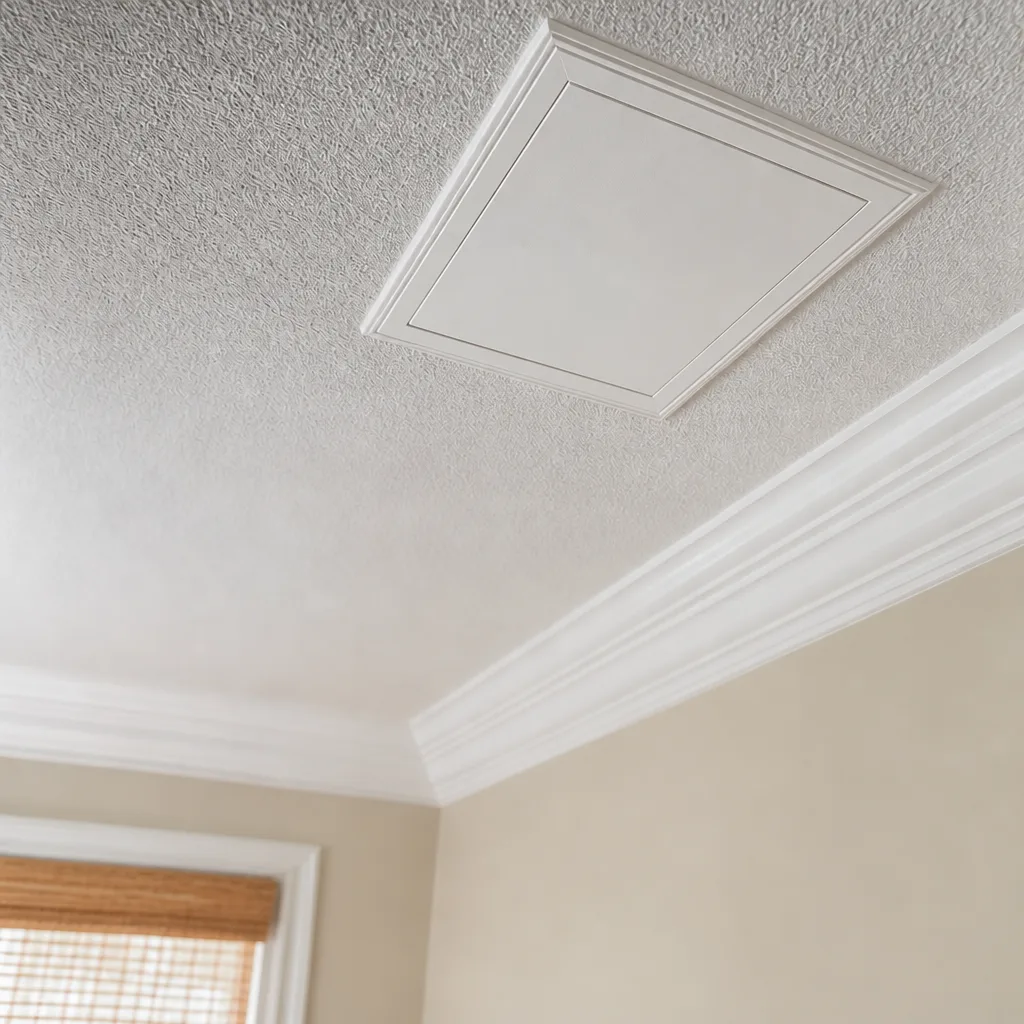
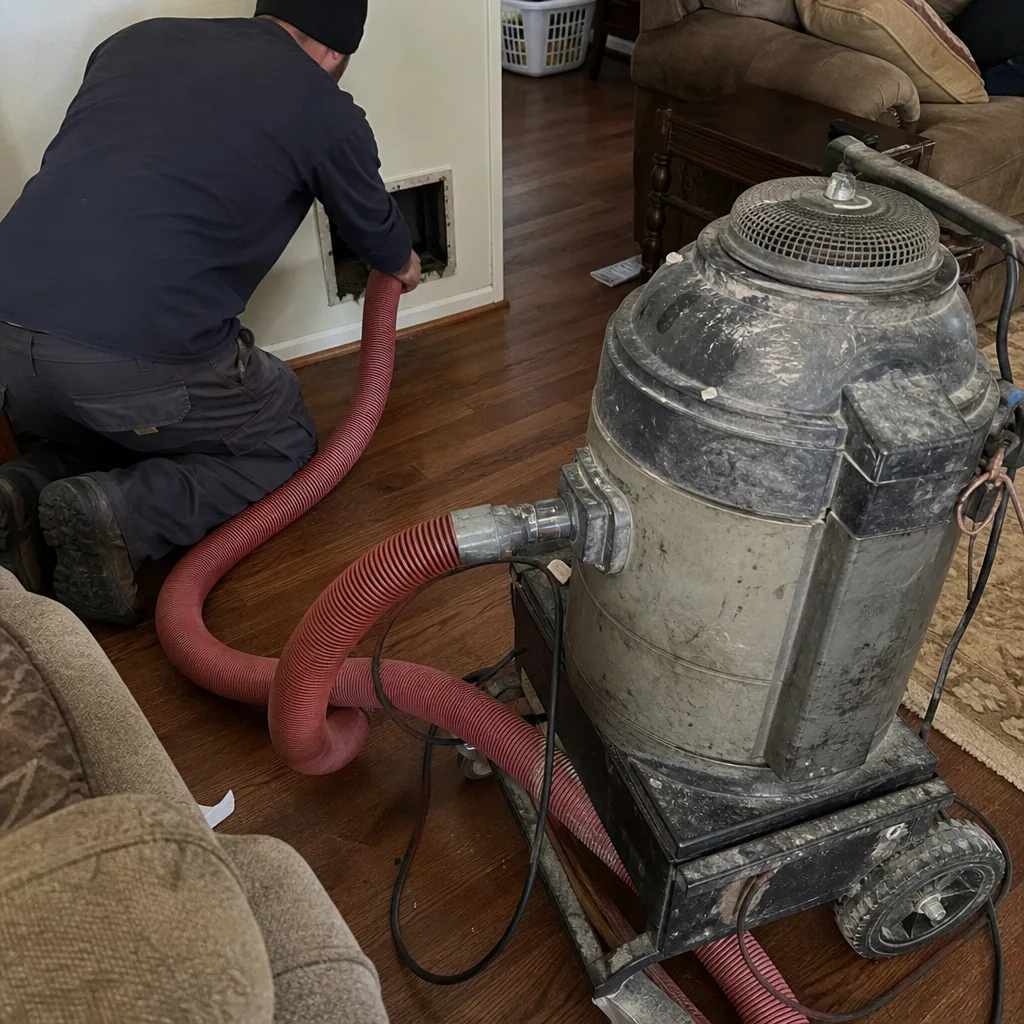
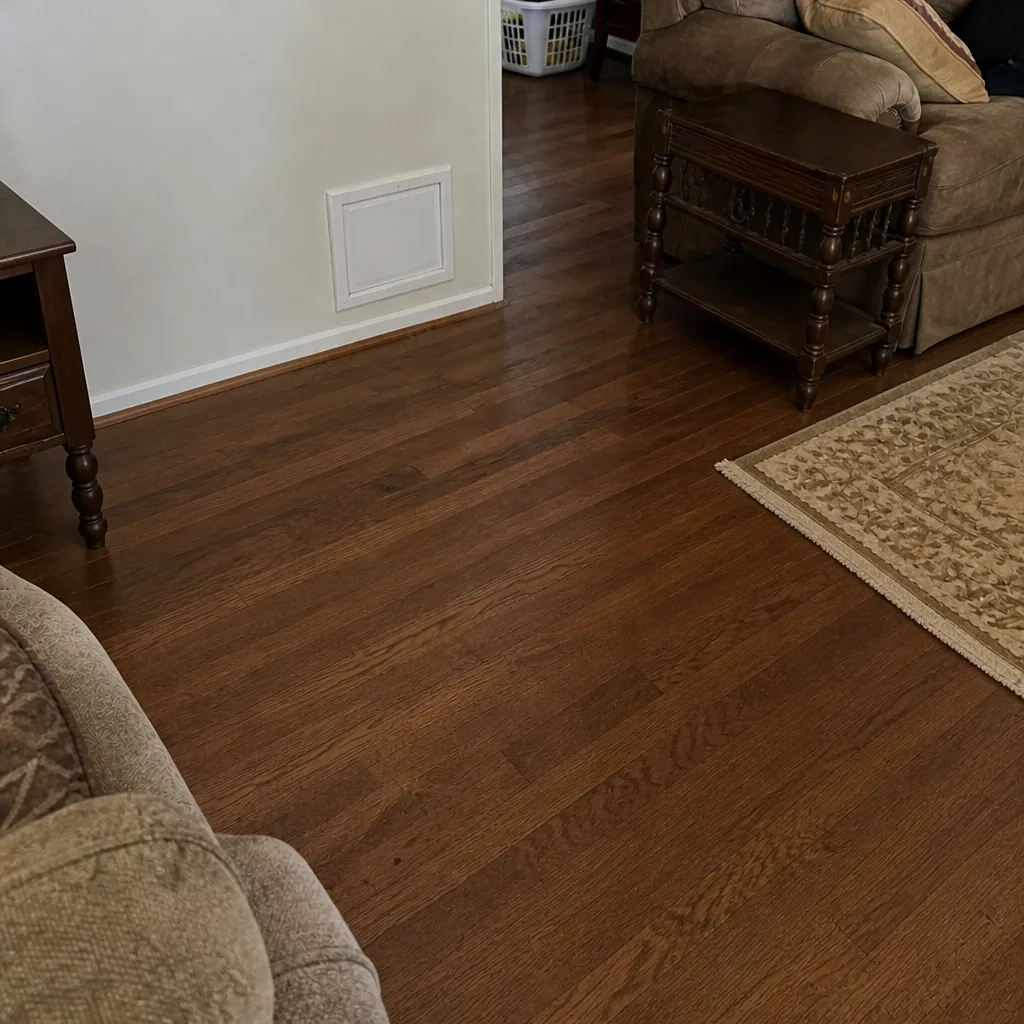
See the difference
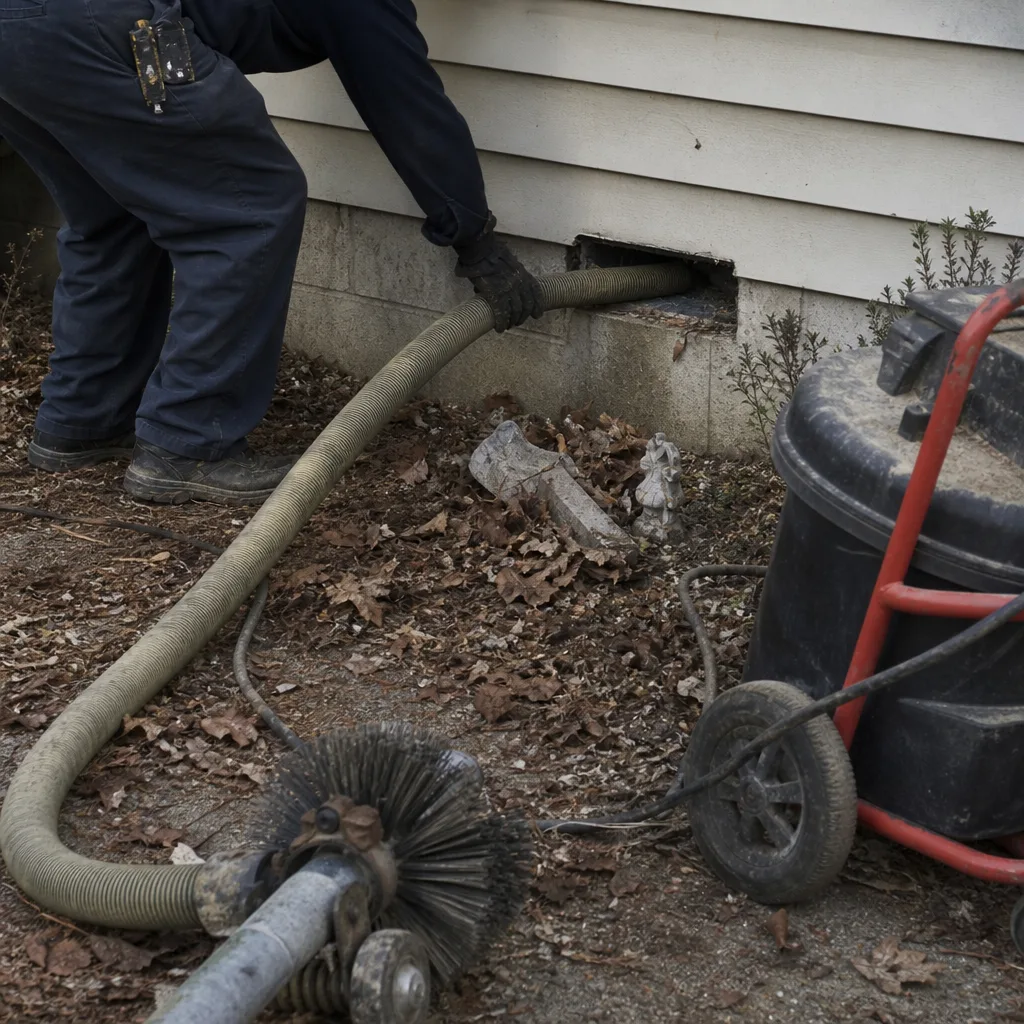 Before
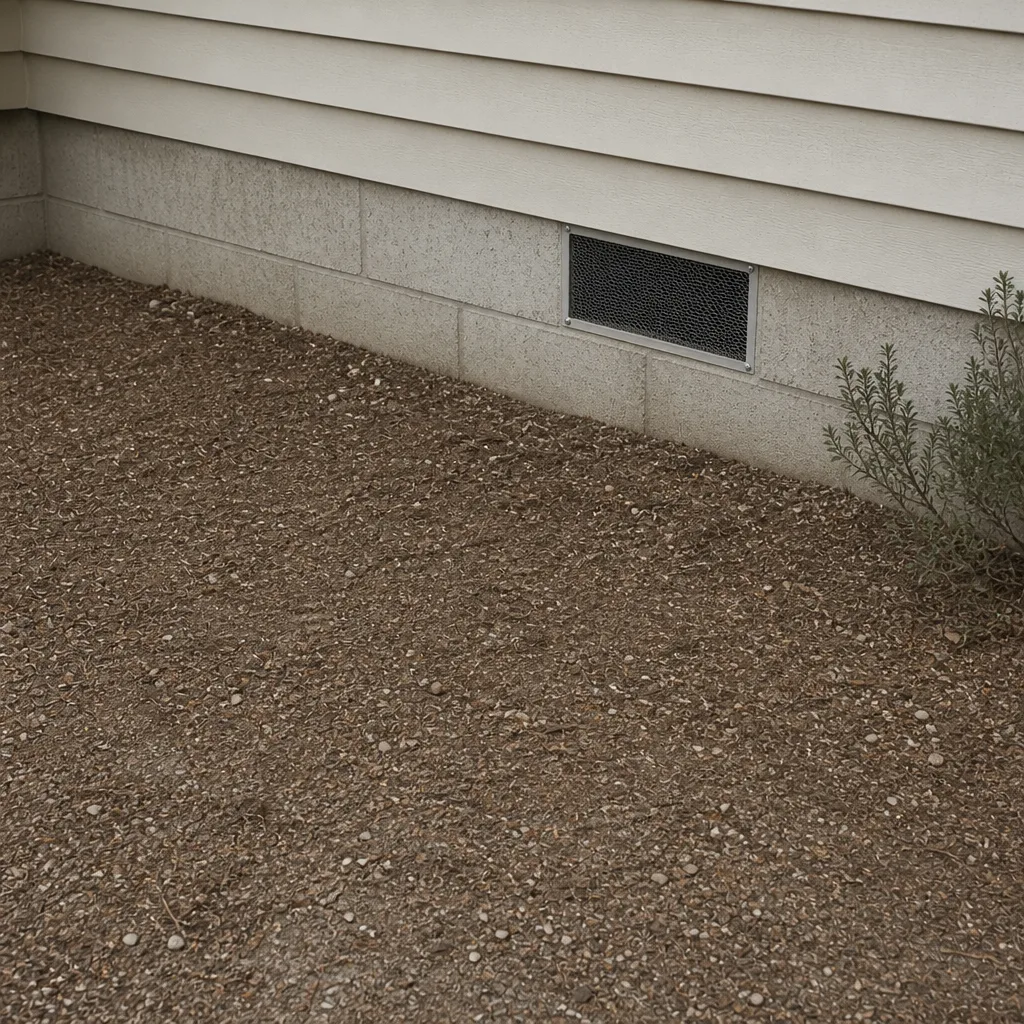 After
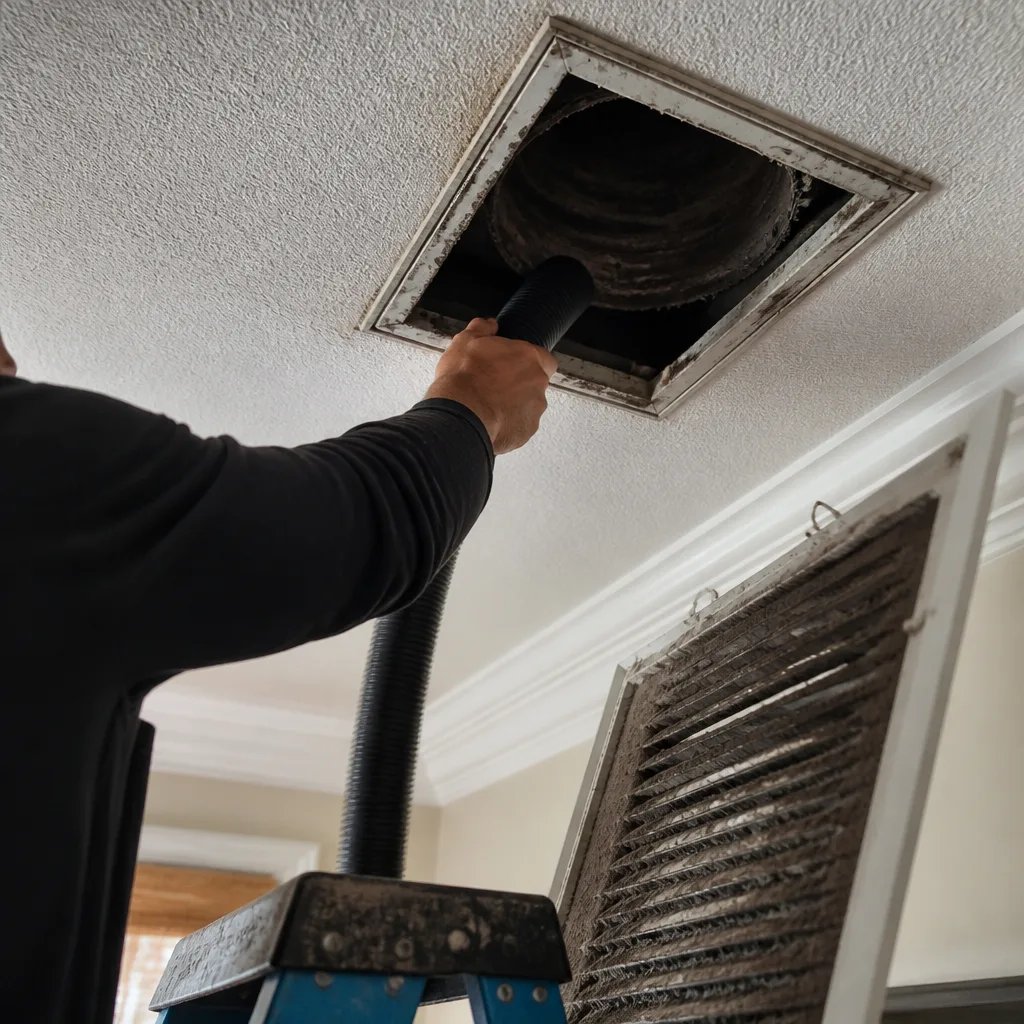 Before
 After
 Before
 After
When to Call a Professional
Call a professional if you’re seeing visible debris or dust arcs at registers, if your home has had recent construction or renovation, if anyone in the household has respiratory sensitivities, if there’s visible mold or pest activity anywhere in the ductwork, or if the dryer is venting noticeably slower than it used to. Each of those points is a situation where consumer equipment can make the problem worse rather than better. For general maintenance on an otherwise healthy system, the tasks on the DIY list above are genuinely yours. The division is that clean.
Air Duct Cleaning Hamilton Lakes offers free estimates in Hamilton Lakes. Call (877) 792-7445. We answer 24/7. Fast dispatch from 7am to 7pm, Sunday through Friday.
Frequently Asked Questions
Honest pricing is per-system and depends on register count, square footage, and whether repair or sanitizing is needed. Any quote that doesn’t ask those questions first isn’t a real price. The written estimate sets the final price before work starts; there’s no per-vent tally and no invoice growth once the technician is on-site. Call (877) 792-7445 for an exact quote. Estimates are free.
Because they’re quoting different work. A cheap quote usually describes register cleaning with a consumer-grade vacuum, sometimes paired with a “sanitizing mist” that isn’t followed by HEPA capture. A real quote includes contact agitation, HEPA extraction, plenum cleaning, and typically sealing. Compare quotes on equipment names, not price. If a provider can’t name their equipment, that’s the answer.
Ask for before-and-after photos. That’s the simplest proof and it should be offered without asking. The other signal is whether the provider sealed the system and used HEPA filtration: those are visible steps you can verify against the quote. If you’re looking at a photo without context, the duct interior should look visibly cleaner, not just “clean-ish.” Call (877) 792-7445 to schedule an estimate that includes the verification step.
Not on a fixed schedule. Most homes need it every several years, or after a trigger event: renovation, water damage, pest activity, a move-in, or the onset of respiratory symptoms in the household. A home with asthma or allergies in the family may need it more often. Our technicians have up to 11 years of experience and can tell you what your system actually needs instead of selling a plan you don’t.
You can clean register covers, return grilles, lint traps, and do visual inspection, all of which are worth doing. You can’t clean duct interiors with consumer equipment because the pressure and the contact tools aren’t there. Suction alone doesn’t remove bonded debris, and weakened filtration redistributes fine particulate into the room. If the ducts need cleaning, they need real equipment.
It helps by removing the accumulated dust, dander, and biological material the system has been recirculating. It doesn’t replace filtration or medical treatment, but reducing the load on the system reduces what gets reintroduced into the air. For households with diagnosed respiratory conditions, professional cleaning followed by sanitizing, paired with proper filtration setup from Honeywell or Aprilaire, is the sensible combination. Call (877) 792-7445 to discuss what makes sense for your home.
The Bottom Line
The DIY versus professional question for duct cleaning comes down to capability, not effort. Consumer equipment can clean register covers, wash return grilles, and do visual inspection, and those tasks are worth doing yourself. Suction capacity and contact agitation are what consumer equipment can’t deliver, and those are the two halves of a real source-removal job. If your situation fits one of the professional-required categories (post-renovation debris, visible mold, pest contamination, respiratory illness in the household), the DIY question is already settled. For everything else, do the maintenance, get the ducts cleaned when there’s an actual reason, and insist on knowing the equipment used before you sign anything. Our technicians have up to 11 years of experience, and we work with Rotobrush, Nikro, and Abatement Technologies equipment because those brands can be verified independently.
We’d rather spend 15 minutes on the phone helping you decide what your home actually needs than sell you a service you don’t. Call (877) 792-7445 for a free estimate. We answer 24/7. Fast dispatch from 7am to 7pm, Sunday through Friday.
Written by the team at Air Duct Cleaning Hamilton Lakes.