
Last updated November 23, 2026
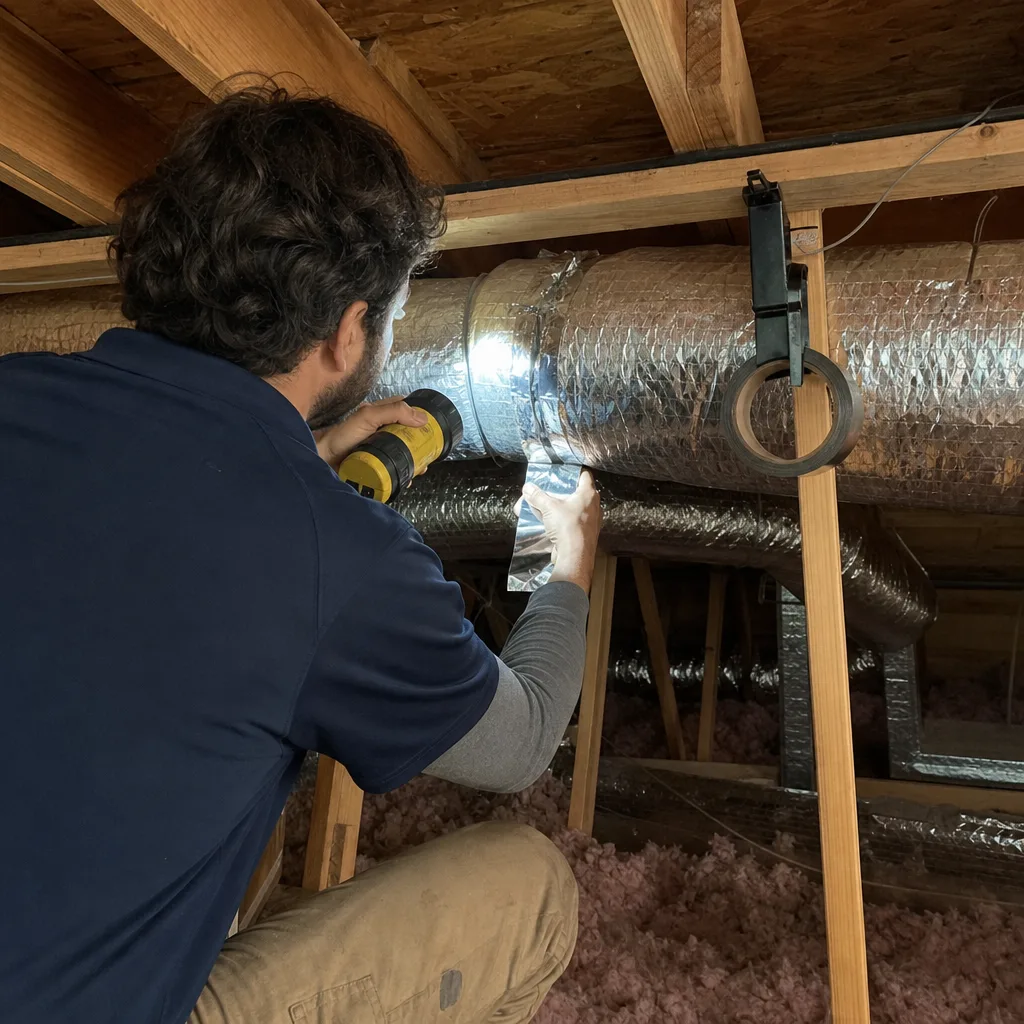
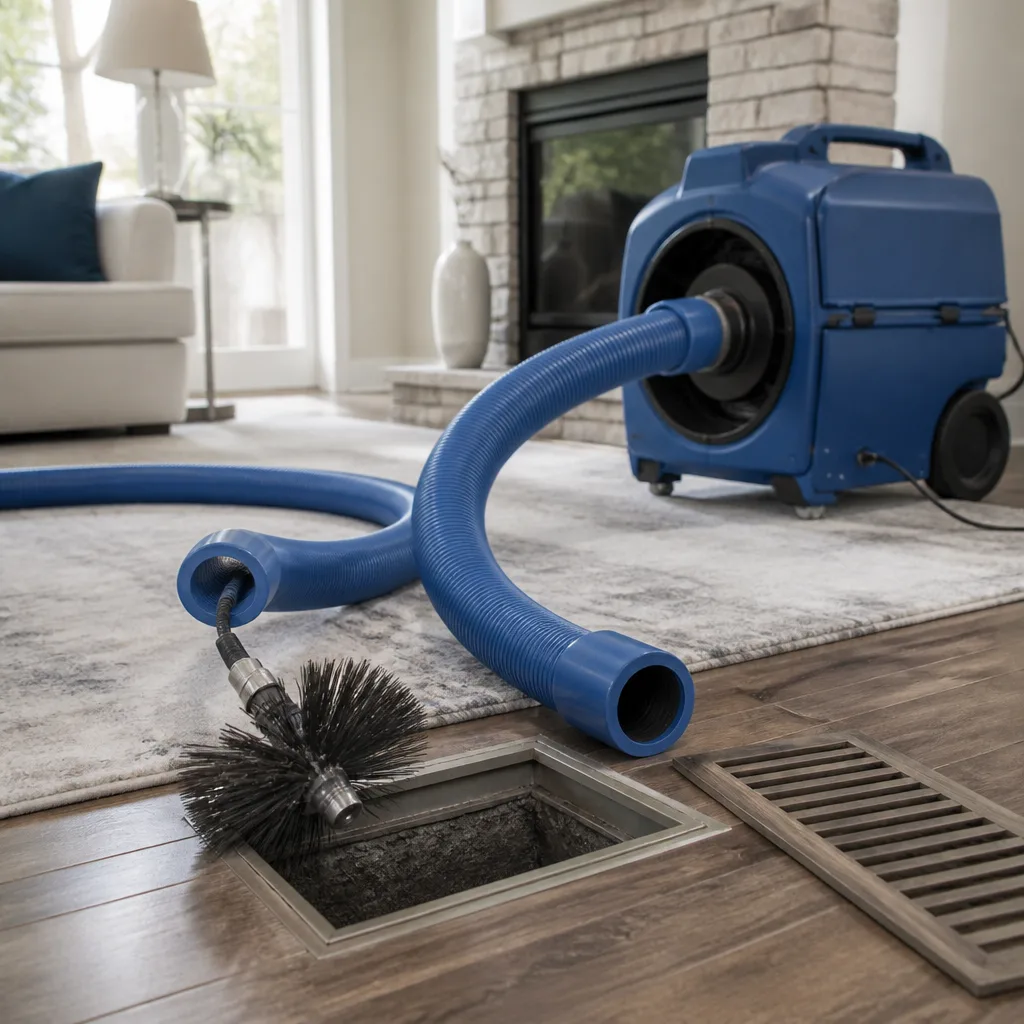 Whole-home duct cleaning
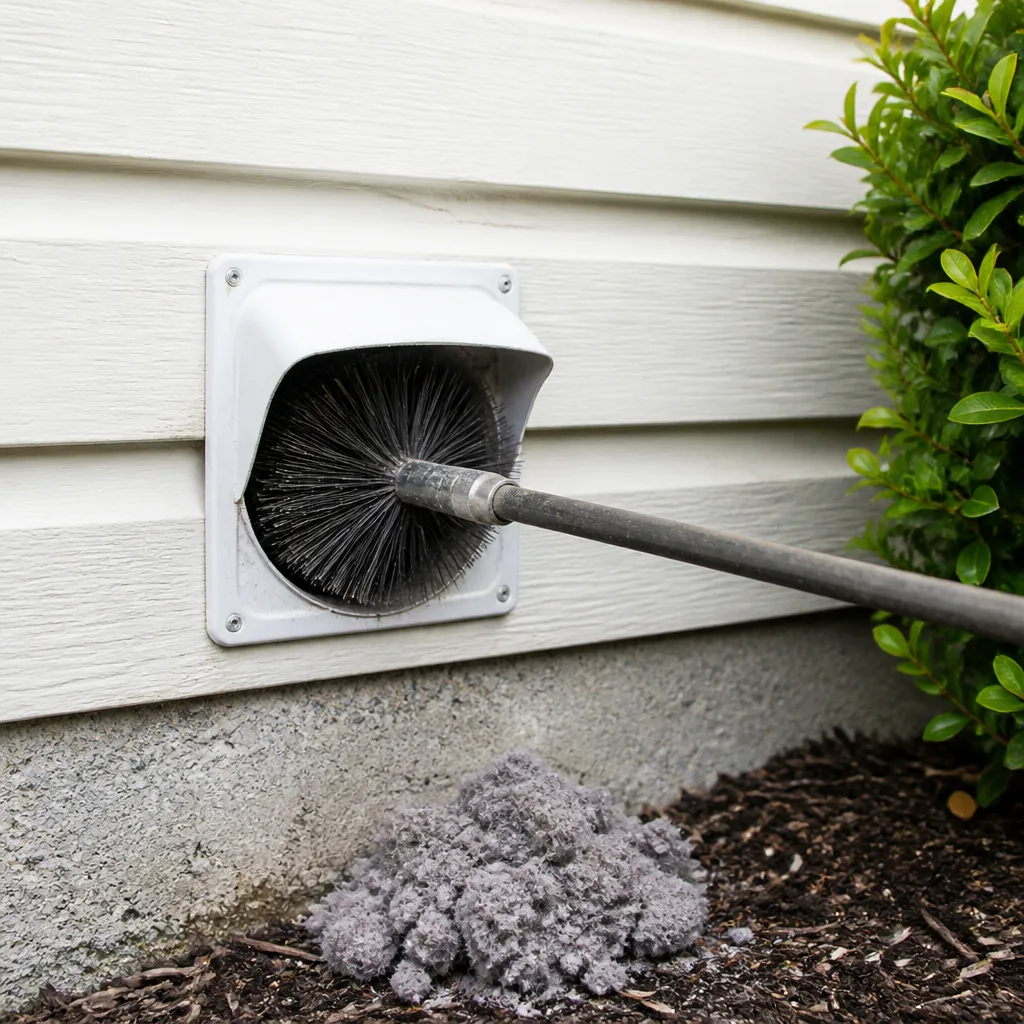 Dryer vent cleaning
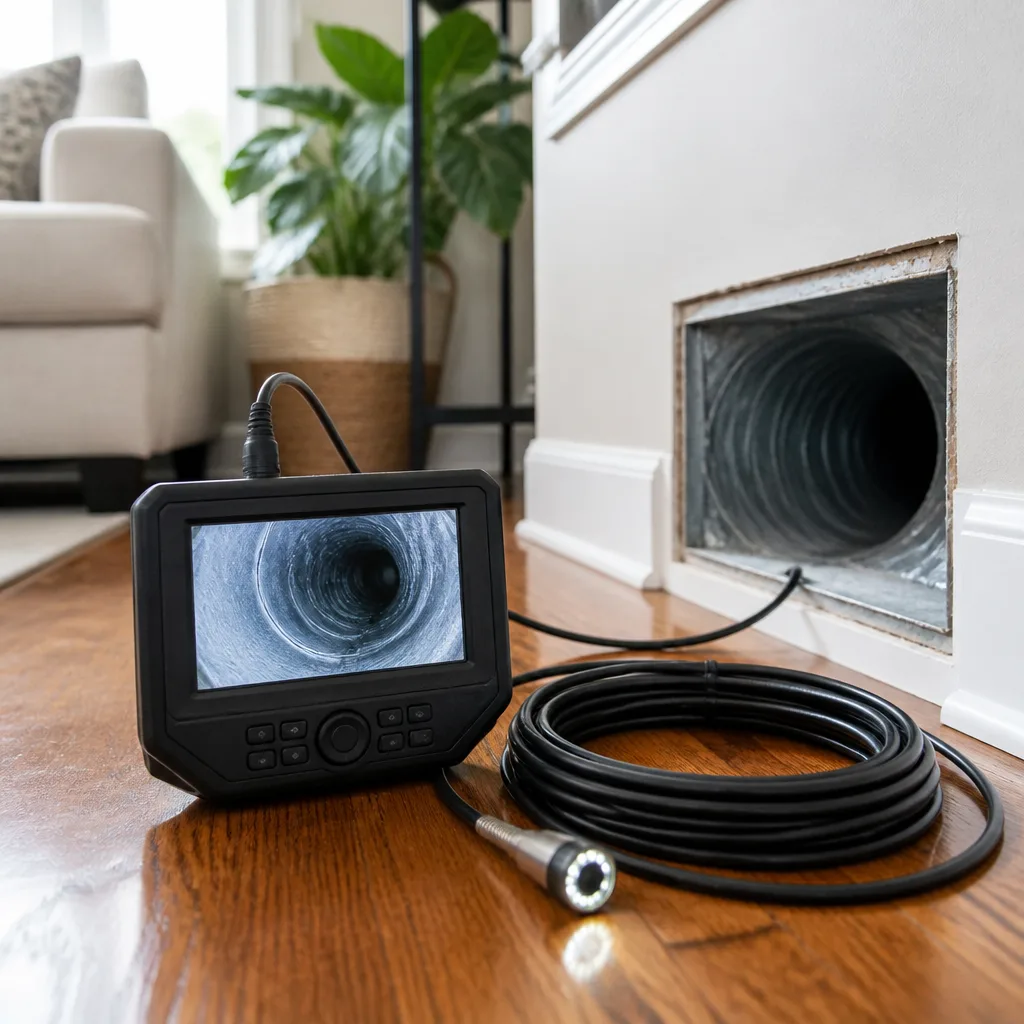 Camera inspection
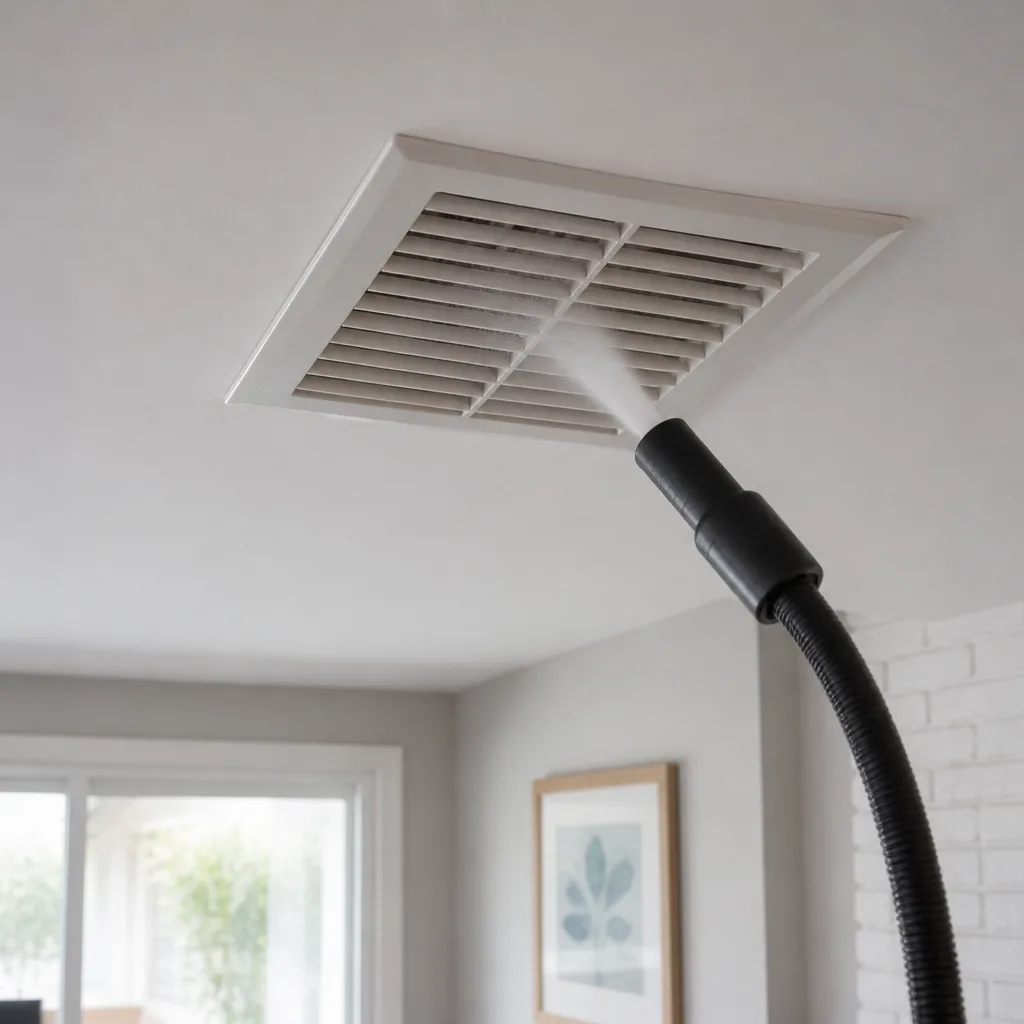 Sanitizing & deodorizing
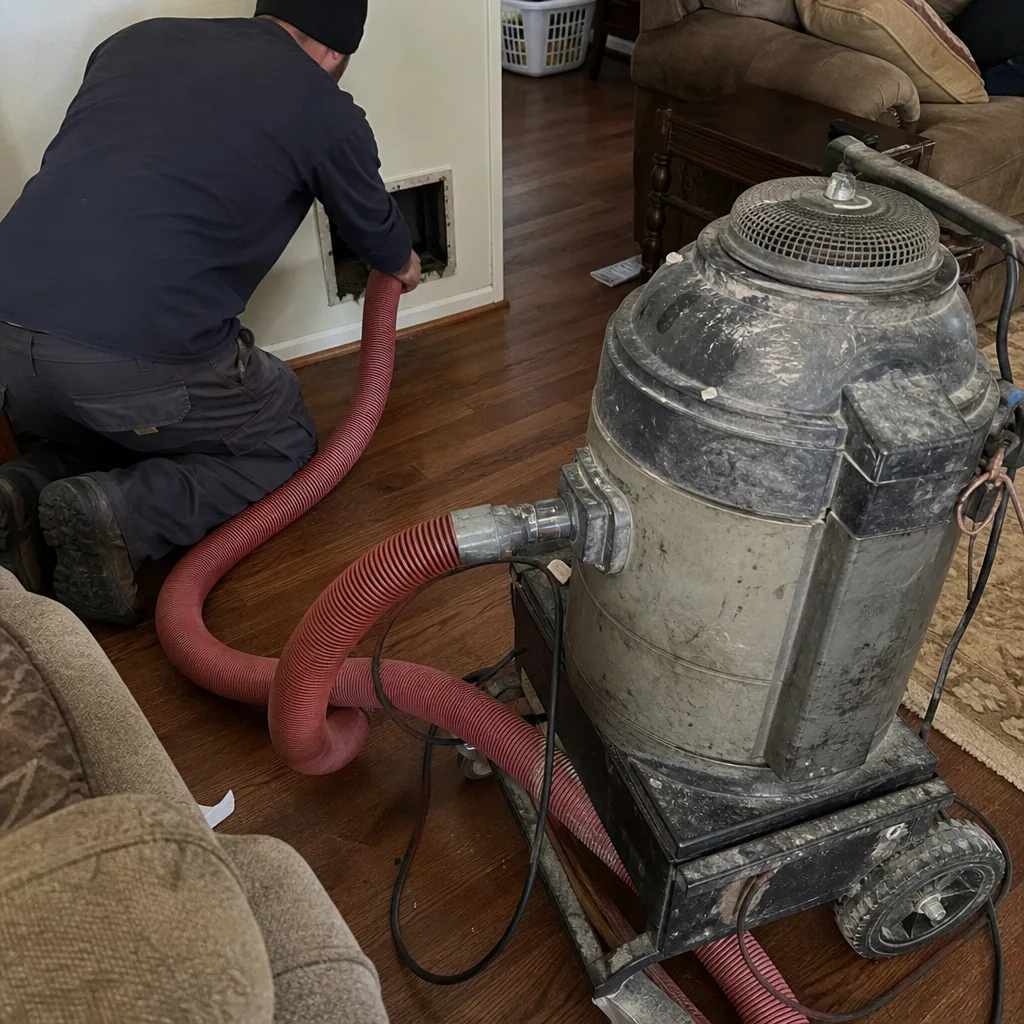
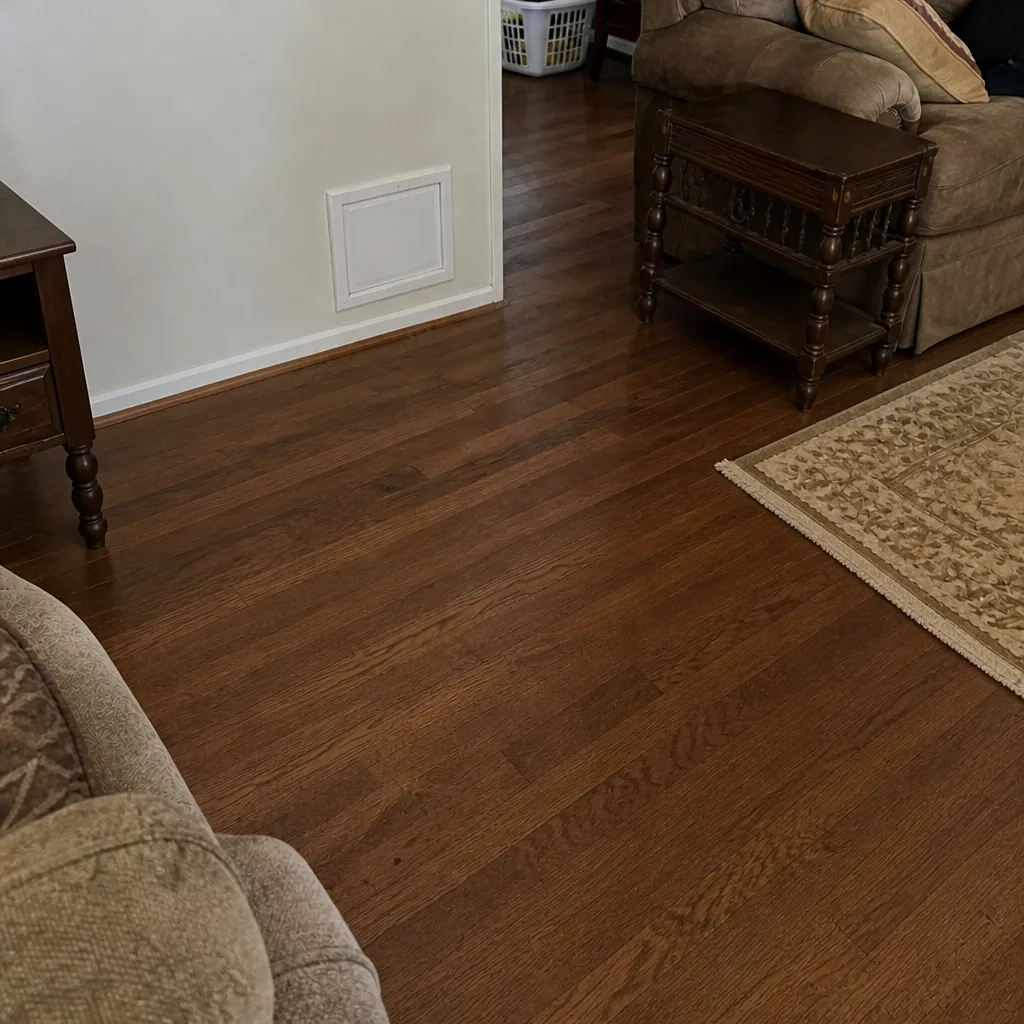
Whole-system duct and dryer vent check with before-and-after photos - you see exactly what came out of your vents
That "$99 whole-house special" is a bait ad - the real number appears once they are in your hallway, or the "clean" is a shop-vac at the register. We photograph the inside of your ducts before and after instead.
Seasonal Air Duct Cleaning Care for Hamilton Lakes: Year-Round Homeowner’s Guide
Most homeowners treat duct cleaning as a once-a-year checkbox, usually in spring or right before guests arrive for the holidays. That single-event approach misses what’s actually happening inside a Hamilton Lakes duct system. This part of North Carolina averages over 48 inches of rain each year, and it sits under a dense tree canopy that dumps pollen and leaf debris for months on end. Each season loads your ducts with a different kind of contamination, and those loads compound. By the time spring pollen season rolls around again, the dust that settled in January is still sitting in the same runs, now mixed with whatever the summer and fall pushed in. This guide maps specific actions to each season so you’re working with the local pattern, not against it. You’ll learn what to check in spring, how to monitor summer humidity, why fall is the right time to look at exterior terminations, and why a winter cleaning often pulls out more visible debris than a mid-summer one.
Quick Answer
Air duct cleaning in Hamilton Lakes works best on a seasonal rhythm rather than an annual one: upgrade and check filters after spring pollen, monitor indoor humidity through the humid June-to-September stretch and act if it climbs above 60% relative humidity, clear exterior duct terminations and the dryer vent after leaf season, and schedule a professional cleaning before spring so winter’s consolidated dust gets removed rather than redistributed when the system ramps back up. If anyone in the house has allergies or asthma, the spring cleaning moves to the top of the list.
Styles & brands we work with
- Whole-home duct cleaning
- Dryer vent cleaning
- Camera inspection
- Sanitizing & deodorizing
Table of Contents
- Why Seasonal Care Beats a Single Annual Cleaning in Hamilton Lakes
- Spring: Pollen, Filters, and the Return Grille Reset
- Summer: Humidity, Mold Risk, and the 60% Threshold
- Fall: Leaf Season, Exterior Terminations, and Dryer Vent Clearing
- Winter: Dust Consolidation and the Pre-Spring Case
- How the Hamilton Lakes Tree Canopy Shapes Particulate Infiltration
- What Professional Equipment Actually Changes
- Common Mistakes to Avoid
- When to Call a Professional
- Frequently Asked Questions
Why Seasonal Care Beats a Single Annual Cleaning in Hamilton Lakes
Duct contamination doesn’t reset on a calendar. It accumulates differently depending on what’s entering the system and what the conditions inside the ductwork are doing to it. In Hamilton Lakes, those conditions shift hard across the year. Spring brings a heavy pollen load from the surrounding tree canopy. Summer adds humidity that can push duct interiors into mold-friendly territory. Fall drags leaf debris toward exterior terminations. Winter dries the air out and lets dust settle and compact in runs that aren’t moving much air.
Treat all four as one problem and you miss the two that matter most for your house. Consider how the seasons differ:
- Spring is a particulate problem. Pollen and fine debris load the return side faster than at any other point.
- Summer is a moisture problem. Duct interiors that stay damp above roughly 60% relative humidity become hospitable to biological growth.
- Fall is an infiltration problem. Exterior terminations pull in leaf litter and debris as the canopy sheds.
- Winter is a consolidation problem. Low air movement lets dust settle and compact into a denser layer that the system has to push through again in spring.
That’s why a Hamilton Lakes homeowner who cleans in July often sees less dramatic debris removal than one who cleans in late February or early March. The winter layer has had weeks to settle and compact into something the equipment can actually pull out in a visible, measurable way. Seasonal timing isn’t marketing. It’s the difference between catching contamination when it’s loose and catching it after it has already moved through your living space. Our air duct cleaning Hamilton Lakes work is built around this rhythm, and we plan the visit around what the season is doing to your system, not a generic annual date on the calendar.
Spring: Pollen, Filters, and the Return Grille Reset
Spring in Hamilton Lakes means the surrounding trees are releasing pollen for several weeks, and that pollen finds its way into return air before it ever reaches your filter. The filter catches some of it. The rest coats the return grille, the return-side duct walls, and the blower housing. By the time the pollen season ends, the return side of the system is carrying a visible film most homeowners never see unless they pull a grille off.
Here’s what to do, in order:
- Replace the filter after pollen season ends, not before. A filter changed in early March will be loaded within weeks. Swap it once the pollen peak has passed so it can carry you through the low-load stretch that follows.
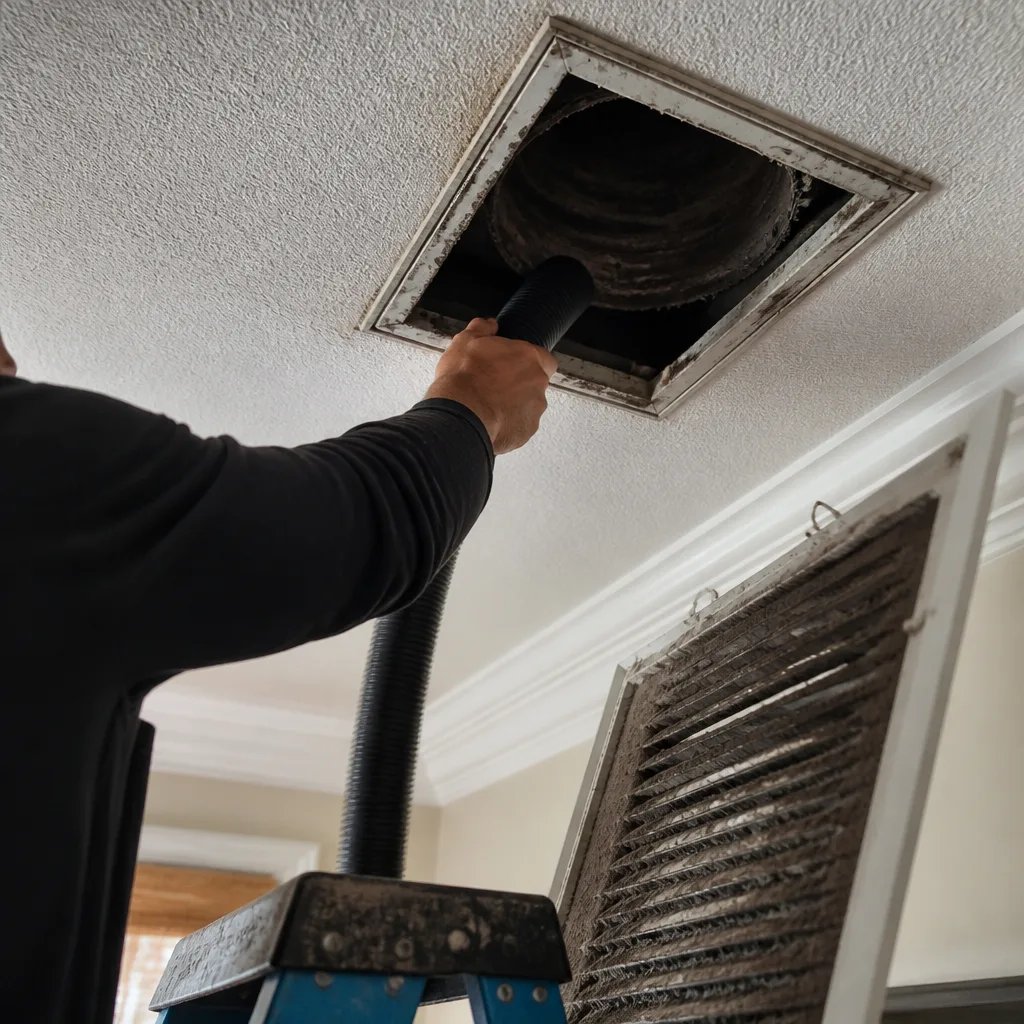
- Pull the return grilles and inspect the duct wall behind them. A flashlight and a phone camera are enough. If you see a visible film on the metal, the return side needs cleaning, not just a new filter.
- Check the filter’s MERV rating against your system’s spec. Residential systems typically support a range set by the manufacturer. A higher MERV isn’t automatically better if the blower can’t push through the restriction. Familiarity with Honeywell and Aprilaire filtration products helps here, because the right upgrade depends on what your system was built to handle.
- Schedule professional cleaning if anyone in the house has allergies or asthma. This is the season when the load is highest and the impact on symptoms is most direct. A cleaning done in April has more effect on an allergy sufferer than one done in October.
The most common mistake we’ve seen in Hamilton Lakes is homeowners replacing filters constantly through spring without ever addressing the return-side wall contamination that the filter can’t reach. A filter is a barrier, not a cleaning tool. When the film is already on the duct wall, it stays there regardless of how often you swap the filter. Spring is also the right window to get a professional assessment of the whole system, and it pairs naturally with air duct cleaning scheduled before the cooling season starts pulling air through the system daily.
Summer: Humidity, Mold Risk, and the 60% Threshold
Hamilton Lakes gets long humid stretches between June and September, and inside a closed house the duct system can hold moisture longer than the living space does. The threshold that matters is roughly 60% relative humidity inside the ductwork. Below that, most biological growth stays dormant. Above it, duct interiors become a hospitable environment for mold spores and bacteria, particularly where condensate or a small leak has introduced moisture the system isn’t pulling out.
The good news is that you can monitor this without special equipment. A simple hygrometer, available at any hardware store, tells you the indoor relative humidity. Place one in a central room and one near your return grille. If readings stay above 60% through the afternoon, the system is carrying more moisture than it should.
When humidity stays elevated, the sequence is:
- Check whether the cooling system is removing moisture properly. A system that’s short-cycling or low on refrigerant can leave the house humid even when the thermostat is satisfied. That’s an HVAC service issue, not a duct issue, and it needs to be addressed first.
- Look for condensate leaks around the air handler and any run that passes through unconditioned space. A small leak in a ceiling void won’t show in the living room but will keep one section of duct damp all summer.
- Consider sanitizing treatment after mechanical cleaning, not instead of it. Sanitizing products like Guardsman address biological contamination on duct surfaces, but they work after the physical debris has been removed. Sanitizing a dirty duct seals the debris in place rather than removing it.
If you’ve found visible growth, damp insulation, or a persistent musty smell coming from any register, don’t wait for fall. That’s a summer call. Our HVAC cleaning covers the components the ducts connect to, because mold often establishes on the evaporator coil and drain pan before it spreads into the ductwork itself. Duct cleaning alone can’t solve a problem whose source is upstream of the ducts.
Fall: Leaf Season, Exterior Terminations, and Dryer Vent Clearing
Hamilton Lakes sits under a heavy canopy, and leaf season here fills gutters, covers roofs, and pushes debris toward any exterior opening the house has. Duct terminations for fresh-air intakes, HRV/ERV systems, and any ducted return are among those openings. When a termination clogs with leaf litter, the system can’t move air the way it was designed to, and it pulls harder through whatever path remains available, often through gaps in the duct envelope instead.
The fall checklist:
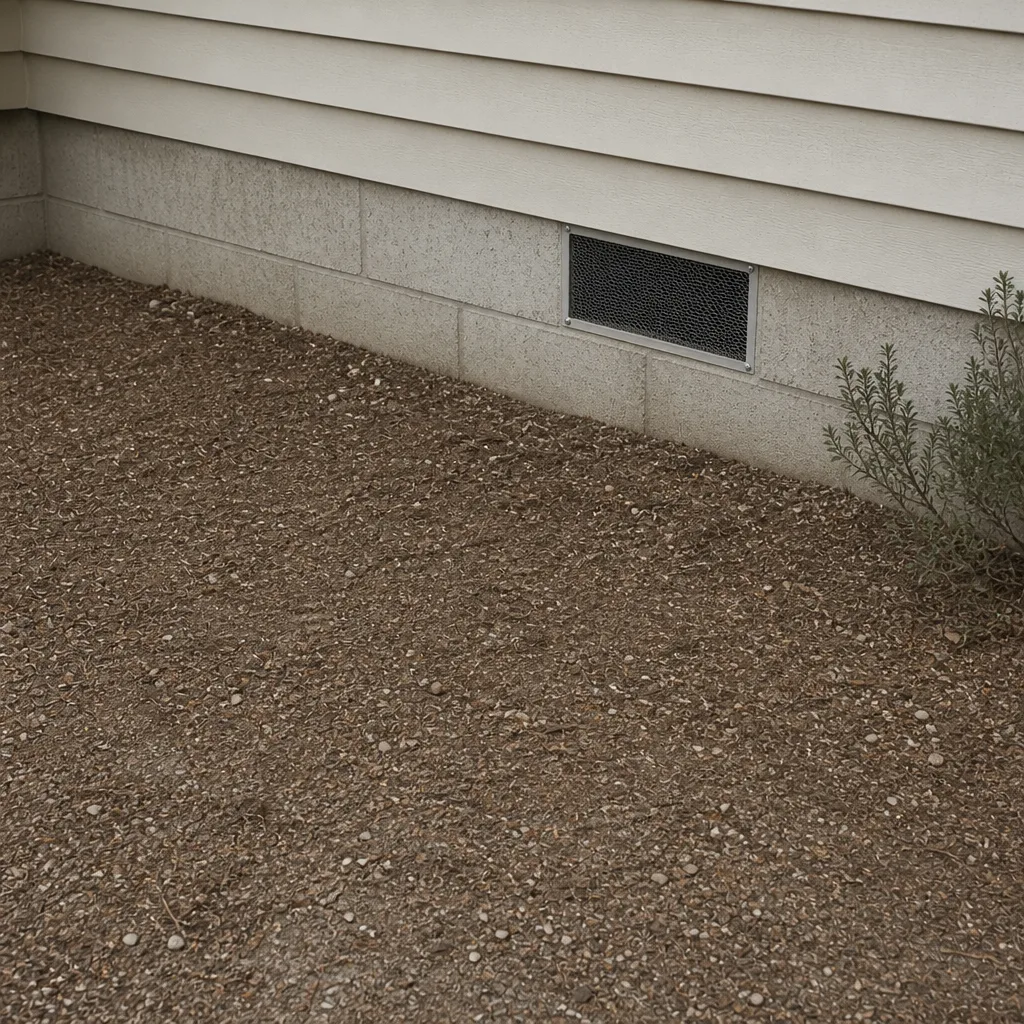
- Walk the exterior of the house and find every duct termination. Most homes have one or two. Check that the screen or louver is intact and clear of debris.
- Clear leaf litter from any termination that’s within three feet of grade or a downspout. Debris accumulates faster in low positions where leaves pile up against the wall.
- Inspect the dryer vent termination separately. A dryer vent is a different opening with a different risk profile, and it deserves its own check before the heating season begins.
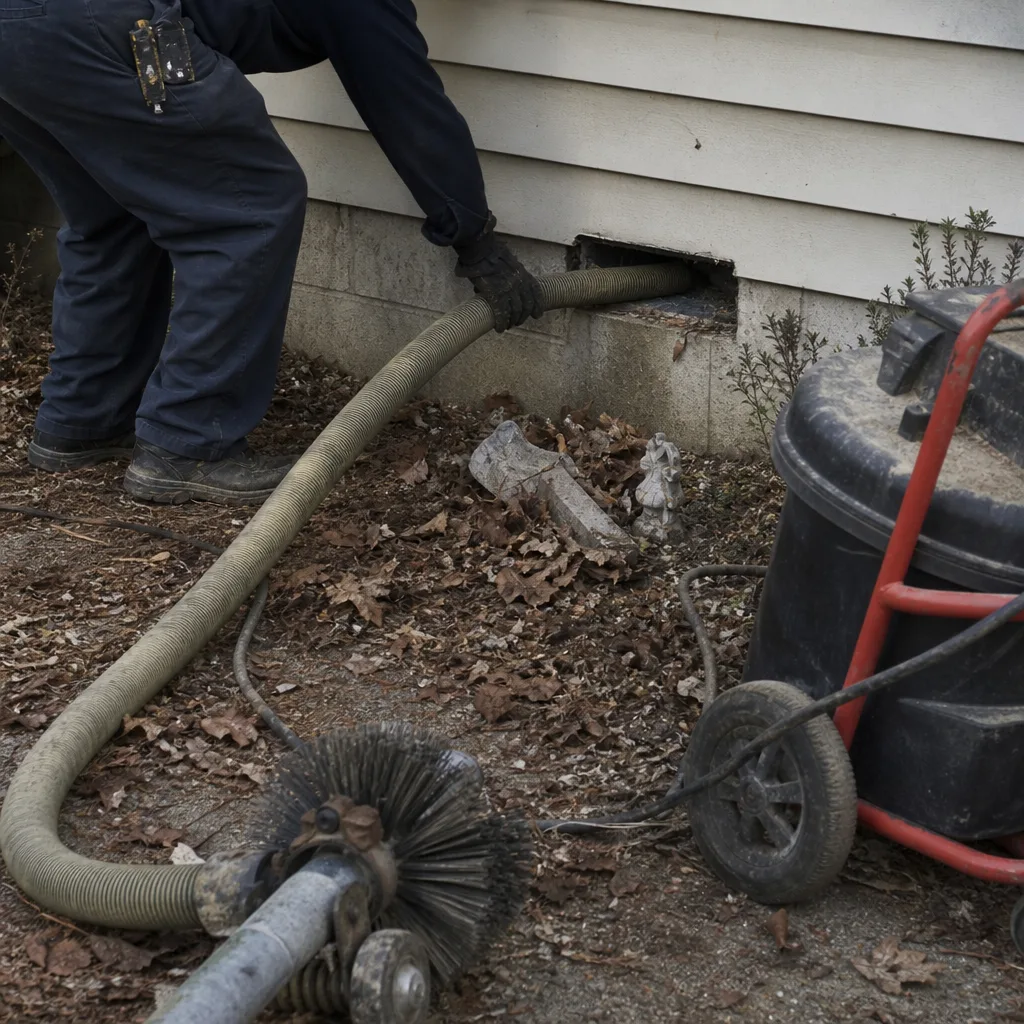
- Schedule dryer vent cleaning before high-use months. Lint accumulates faster through the fall and winter when dryers run more often. A clogged dryer vent is a fire risk and a performance problem at once, and it’s the one item on this list with real safety stakes.
Dryer vent work isn’t an add-on to air duct cleaning; it’s a separate service with its own tools and its own risk profile. Our dryer vent cleaning covers the full run from the dryer connection to the exterior termination, and the fall is the right time to have it done so lint doesn’t build through the winter. The most common fall mistake in Hamilton Lakes is treating the dryer vent as something to check “eventually.” By the time a dryer is taking two cycles to dry a load, the vent has usually been restricted for weeks.
Winter: Dust Consolidation and the Pre-Spring Case
Winter changes the physics inside your ducts. The system runs less often, the air is drier, and dust that would otherwise stay airborne settles onto duct walls and consolidates into a denser layer. In low-use runs, that layer compacts over weeks. When spring arrives and the system ramps back up, that consolidated layer gets disturbed and pushed into the living space, which is exactly the moment when homeowners notice a musty or dusty smell in the first weeks of warm weather.
This is why a cleaning scheduled in late winter often produces more visible debris removal than the same cleaning done in mid-summer. The contamination is denser, concentrated, and hasn’t been repeatedly disturbed. There’s a practical argument for it, too: cleaning before spring means the system starts the high-load season with clean ducts rather than carrying winter’s accumulation into the pollen months.
Winter is also the season to address duct repair and sealing, because a system running less frequently makes leaks easier to identify. If you’ve noticed rooms that never quite heat evenly, or the system running longer than it used to, a leaky duct run is a common cause. Our Duct Repair & Sealing service is the piece most cleaning-only companies leave out: when we find a damaged or disconnected run during the visit, it gets repaired and sealed as part of the same job rather than flagged for a separate contractor. That matters in Hamilton Lakes, where long duct runs through unconditioned attic space are common and small leaks waste heat all winter.
What to look at in winter, in order:
- Check for rooms that heat unevenly. A persistent cold room usually means a duct leak or a disconnected run, not a thermostat problem.
- Inspect accessible duct runs in the attic or crawlspace for disconnected joints or torn insulation. A visual check from outside the duct is enough to spot the obvious ones.
- Schedule a cleaning for late winter or early spring. This is the timing that produces the clearest before-and-after comparison, and it sets the system up for the pollen season.
- Replace the filter once at the start of the heating season and again in early spring. Winter dust loads are lower than spring pollen loads, but they still accumulate.
How the Hamilton Lakes Tree Canopy Shapes Particulate Infiltration
Not every zip code in the region sees the same particulate load in a residential duct system. Hamilton Lakes has a dense tree canopy and open green space close to its residential streets, and both shape what enters a house’s return air across the year. The canopy contributes pollen in spring and particulate debris in fall. The open green space contributes fine dust in dry months, particularly when wind carries topsoil and dry plant matter toward the house. More urban zip codes in the region see more vehicle-related particulate and less biogenic material; Hamilton Lakes is the reverse.
What that means for a homeowner here:
- Spring is the highest-pollutant season because tree pollen is biologically active and small enough to bypass many filters.
- Fall is the second-highest load season because vegetative debris, leaf fragments, and mold spores from decomposition move toward the house.
- Summer is cleaner for particulate but risky for moisture, which is why summer actions are about humidity and fall actions are about debris.
- Winter is low-load but high-consolidation, which is why it’s the best season for a “catch what accumulated” cleaning.
The practical takeaway is that a Hamilton Lakes house benefits from professional cleaning more often than a house in a denser urban area with less surrounding vegetation. A single spring cleaning leaves fall’s load to carry through winter. The most useful rhythm for most homes here is a cleaning before spring and a visual check of the system after leaf season, with the professional visit timed to catch both loads rather than one. Homes near the canopy’s edge or close to open green space tend to see the biggest difference from a seasonal rhythm versus an annual one.
What Professional Equipment Actually Changes
The reason seasonal timing matters is that only professional equipment can remove contamination at the scale the Hamilton Lakes climate creates. A consumer vacuum pulls surface dust off a grille but doesn’t touch the film on duct walls, and it can’t reach more than a few feet into a run. Professional work is a different category of operation, and the specific equipment is the reason.
We use Rotobrush rotary brush systems and Nikro HEPA-rated vacuum units as the core of a cleaning visit. The rotary brush is a contact tool: it agitates the duct wall to break contamination loose rather than relying on suction alone. The HEPA-rated vacuum is a capture tool: it holds dislodged debris in a filtered airstream so it exits the house rather than getting pushed into the living space. The two operate together, and neither is a substitute for the other.
For any job involving significant debris dislodging, we also run Abatement Technologies negative-air machines. Negative air pressure is what keeps the operation contained. Without it, agitating a dirty duct while a vacuum runs at the register can push fine particulate into the room. With it, the room stays under slightly lower pressure than the duct system, so debris moves toward the machine rather than away from it. That’s a level of containment most cleaning-only operations don’t have the equipment to maintain, and it’s why we treat it as a non-negotiable on every substantial job.
Equipment you can verify matters here. Rotobrush, Nikro, and Abatement Technologies are brands you can look up, and their use in commercial and remediation work is a matter of public record. Our technicians have up to 11 years of experience on this equipment, and the technician who arrives should be able to explain each tool as it comes out. If a contractor can’t name the equipment they’re about to use or explain why it’s the right tool for your system, that’s a useful signal. A full visit addresses air ducts, dryer vents, HVAC components, structural duct issues, and air quality together, which is why a single appointment can cover what several different contractors would otherwise be called in for separately.
Common Mistakes to Avoid
- Cleaning once a year on a fixed date. A July cleaning in Hamilton Lakes misses both the spring pollen load and the winter consolidation. Time the visit to what the season has done to the system, not to a calendar preference.
- Replacing filters constantly without checking the return-side duct wall. Filters capture what passes through them. They don’t remove the film that’s already coating the return duct. Pull a grille and look before assuming a new filter solved the problem.
- Ignoring indoor humidity through the summer. A house that stays above 60% relative humidity through July and August is at risk of duct-interior mold growth even when the ducts look clean. An inexpensive hygrometer catches this before it becomes visible.
- Skipping the exterior terminations after leaf season. A clogged termination forces the system to pull air through leaky joints instead. Walk the exterior in late fall and clear any debris before winter.
- Treating the dryer vent as an afterthought. The dryer vent is a fire risk, not just a performance issue. It should be checked and cleaned on its own schedule, not folded into a duct cleaning six months later.
- Sanitizing before mechanical cleaning. Sanitizing treatments like Guardsman address biological contamination after the debris has been physically removed. Applying sanitizer to a dirty duct seals the debris in place rather than eliminating it.
- Leaving a duct leak for “the next time someone’s out.” A leaky or disconnected duct run in a Hamilton Lakes attic or crawlspace wastes energy all winter and pulls contaminated air from unconditioned space into the living area. It’s worth fixing on the same visit the cleaning happens.
When to Call a Professional
Some signs are seasonal and incremental; others are urgent. Call a professional if you see visible mold growth on or around any register, if a musty smell persists after a filter change, if anyone in the house has allergies or asthma that worsen through spring, if the system is producing more dust than usual across multiple rooms, if the dryer is taking noticeably longer to dry a load, or if a visual inspection shows a torn or disconnected duct run. Any one of these is reason enough to bring in someone who can assess the system with proper equipment rather than guesswork.
Scheduling is straightforward. We answer 24/7. Fast dispatch from 7am to 7pm, Sunday through Friday. Air Duct Cleaning Hamilton Lakes offers free estimates in Hamilton Lakes and can plan a visit around which season you’re in and what that season has already done to your system. Call (877) 792-7445 to get an estimate, and we’ll walk through what a seasonal visit looks like for your home.
Frequently Asked Questions
Once a year is a reasonable baseline for most Hamilton Lakes homes, but the timing matters more than the frequency. A cleaning timed to catch spring pollen and winter consolidation produces a better result than one scheduled randomly. Homes near the tree canopy or close to open green space often benefit from an assessment twice a year, with a professional cleaning scheduled once and a visual check the other time. Call (877) 792-7445 for an exact quote; estimates are free.
Summer isn’t a bad time, but it’s the season when the visible result tends to be less dramatic, because the winter dust layer has already been disturbed and dispersed through the system by spring air movement. Summer is the right season for a humidity and mold assessment first. If indoor relative humidity has been above 60% for weeks, that’s a reason to call sooner, not later. Call (877) 792-7445 for an exact quote; estimates are free.
Pricing depends on the number of runs, the system layout, and how much cleaning and repair the visit requires, so we quote per job after an on-site estimate rather than quoting a flat number over the phone. We don’t quote per-vent prices or teaser coupon rates. Every quote is a single price for the whole system, agreed before work starts, with before-and-after photos of your own ducts. Call (877) 792-7445 for an exact quote; estimates are free.
Often because the equipment or the scope is different. A quote that looks low may reflect a consumer vacuum and a surface wipe rather than rotary brush contact cleaning with HEPA-rated vacuum capture and negative-air containment. The other common gap is scope: a cleaning-only visit won’t identify or repair a duct leak, so the work ends where the real problem begins. Our five-service scope (ducts, dryer vent, HVAC components, duct repair and sealing, and air quality) is designed so a single visit covers the whole job. Call (877) 792-7445 for an exact quote; estimates are free.
Ask for before-and-after photos of your own ducts, not stock photos. We photograph the return grille, a representative section of the main run, and the air handler cabinet, before and after cleaning. Our technicians have up to 11 years of experience and can walk through what came out and where it came from. If a contractor won’t show you photos of your own system, the answer to “was it done” is difficult to verify. Call (877) 792-7445 for an exact quote; estimates are free.
You can remove surface dust from a register with a shop vac, but you can’t reach past the first few feet of a run, you can’t agitate the duct wall the way a rotary brush does, and you can’t contain fine debris through an entire run with a shop vac’s filtration. The risk with a shop vac on a dirty system is pushing contamination into the room rather than removing it. Our equipment is chosen specifically for that containment problem. Call (877) 792-7445 for an exact quote; estimates are free.
The Bottom Line
Hamilton Lakes homes sit in a climate zone with four distinct duct loads, and treating those loads as a single annual event leaves two of them unaddressed. Spring pollen, summer humidity, fall leaf debris, and winter dust consolidation each call for a specific action at a specific time. The single most useful habit is timing a professional cleaning to before spring, when winter’s accumulation is densest and spring’s pollen load is still ahead. From there, filter changes, return grille checks, a hygrometer to monitor humidity, exterior termination clearing, and dryer vent cleaning round out the year. If you want a plan built around your specific home, call (877) 792-7445. We answer 24/7. Fast dispatch from 7am to 7pm, Sunday through Friday.
Written by the team at Air Duct Cleaning Hamilton Lakes.
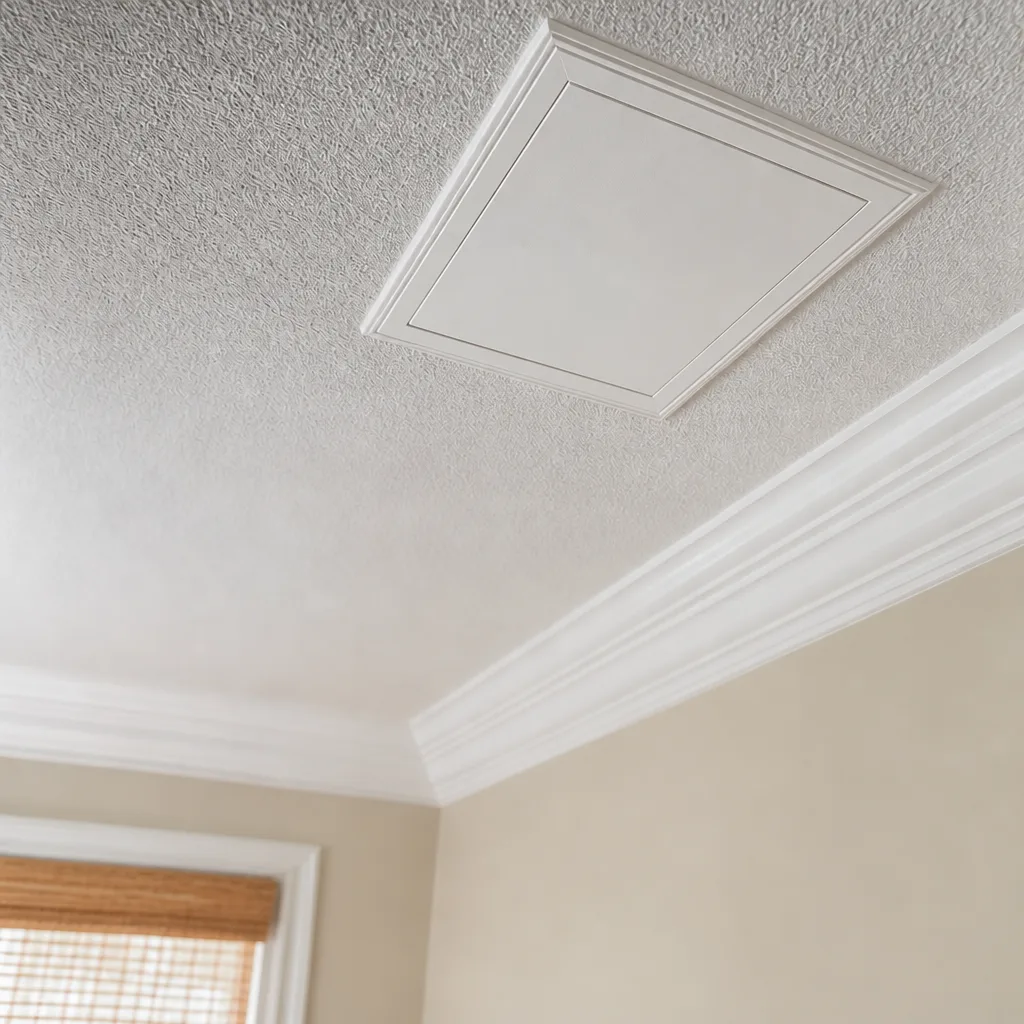
See the difference
 Before
 After
 Before
 After
 Before
 After