
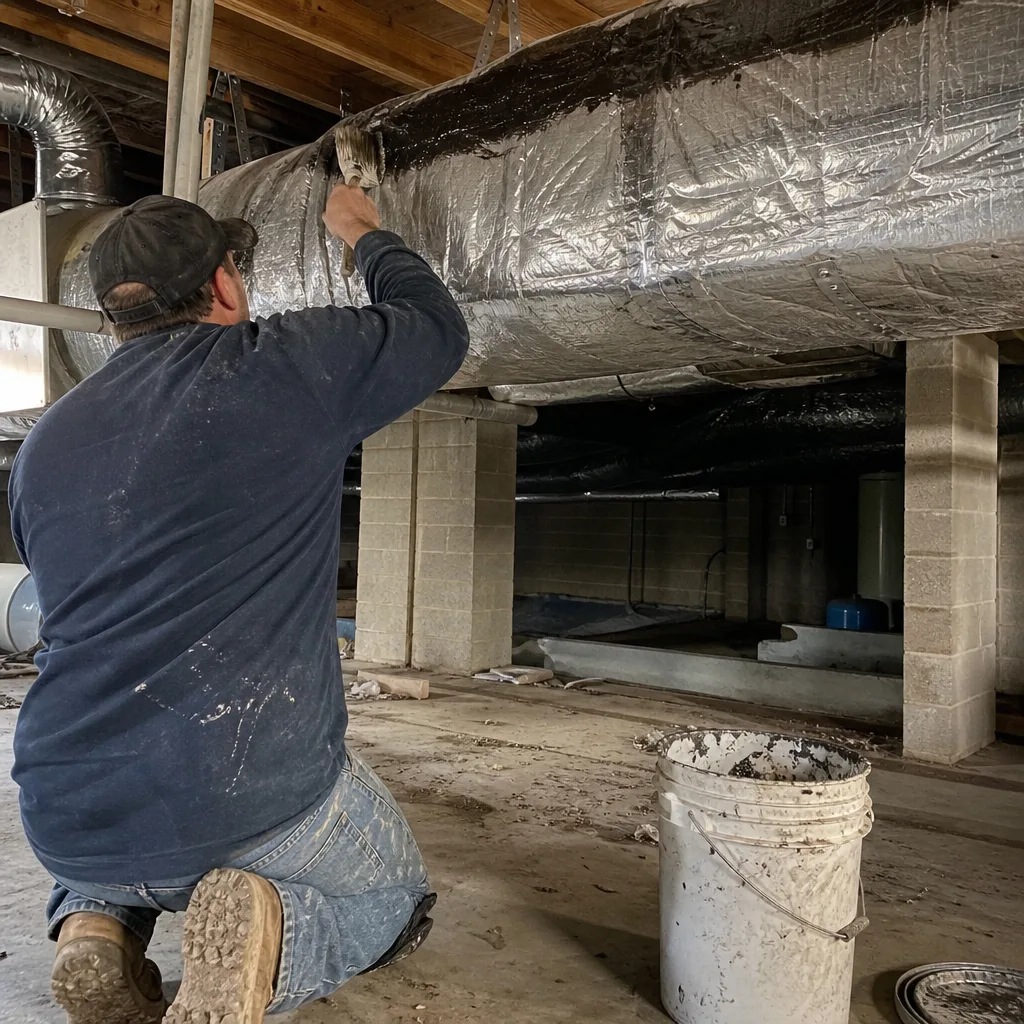
Last updated November 23, 2026
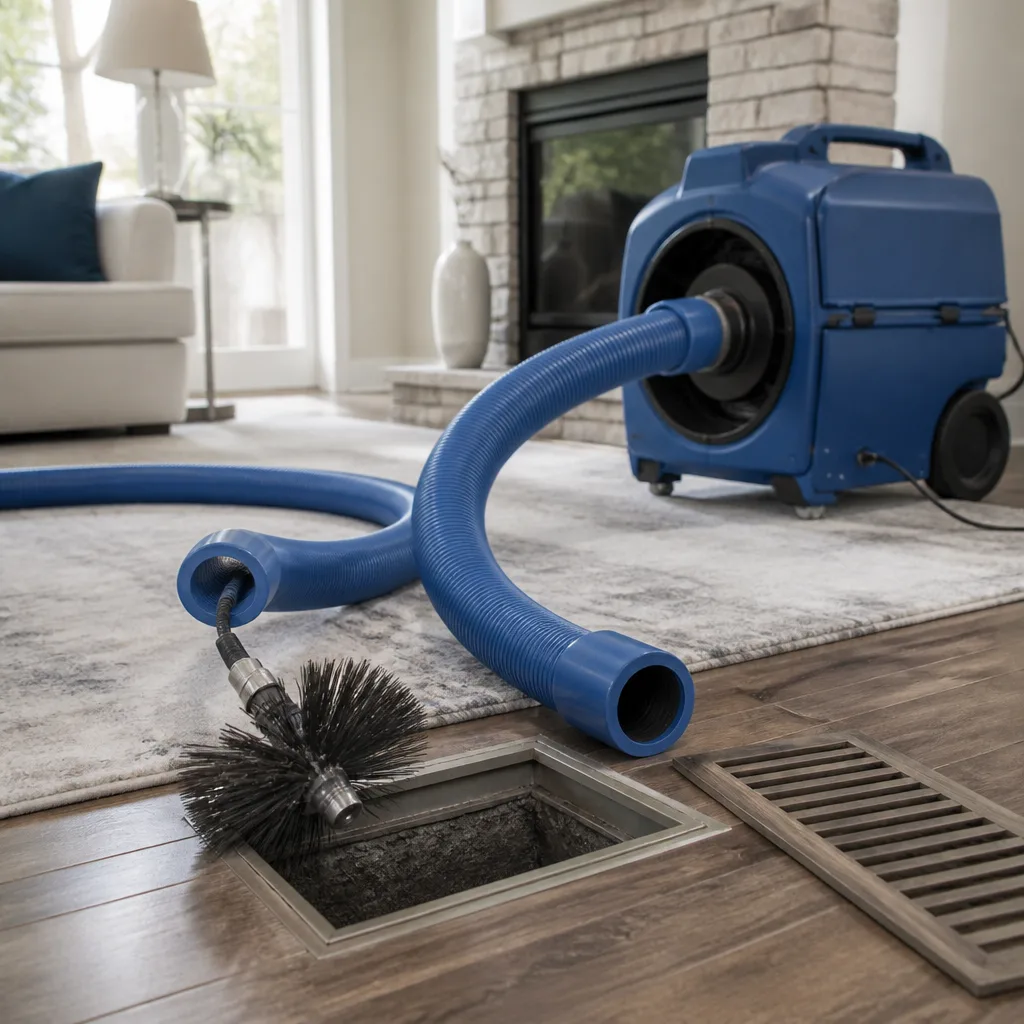 Whole-home duct cleaning
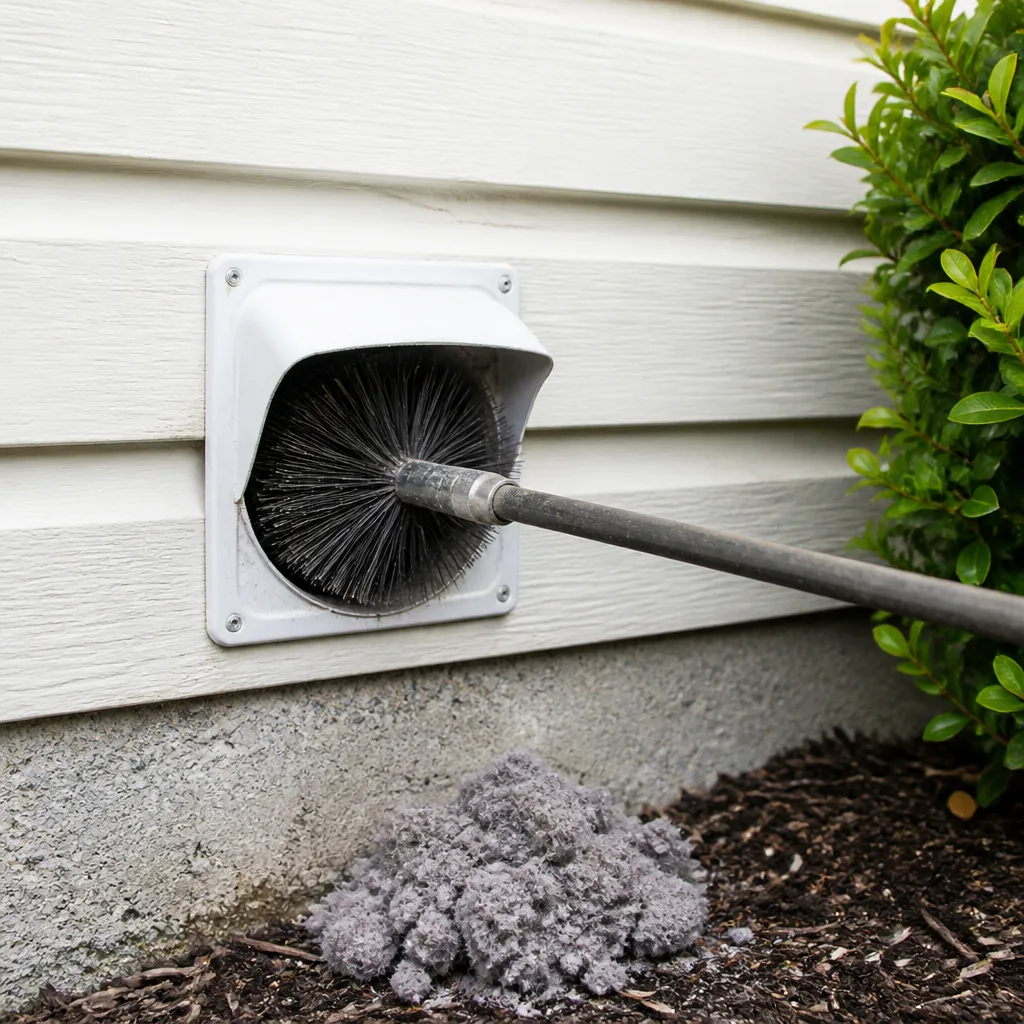 Dryer vent cleaning
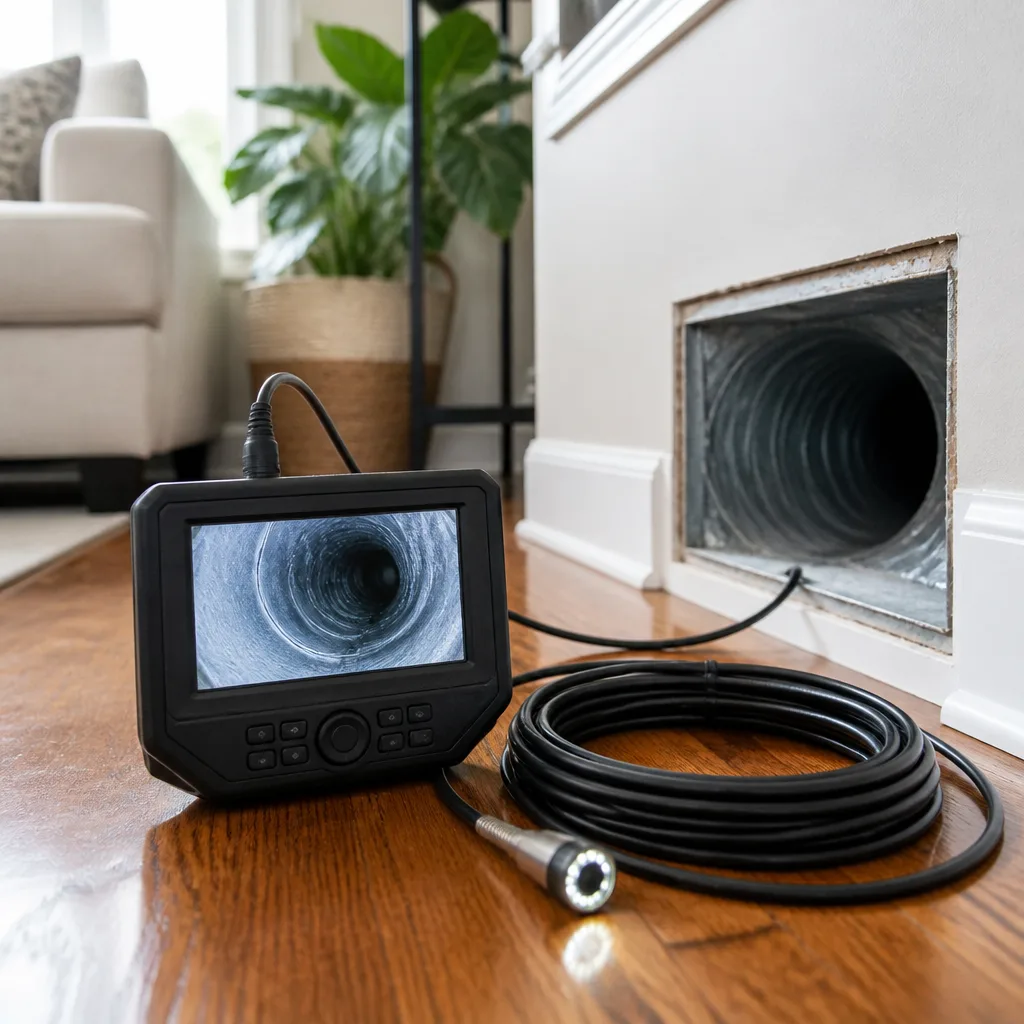 Camera inspection
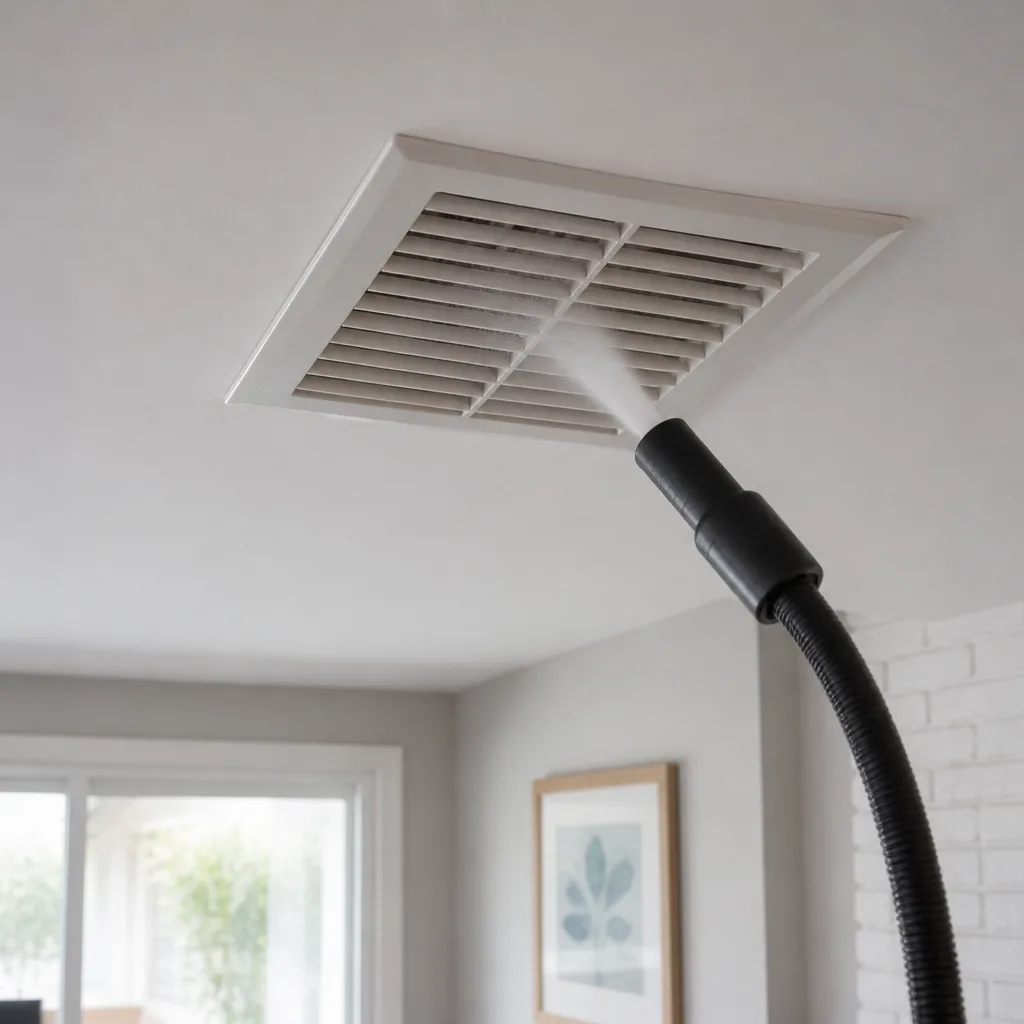 Sanitizing & deodorizing
Whole-system duct and dryer vent check with before-and-after photos - you see exactly what came out of your vents
That "$99 whole-house special" is a bait ad - the real number appears once they are in your hallway, or the "clean" is a shop-vac at the register. We photograph the inside of your ducts before and after instead.
How to Hire an Air Duct Cleaning Contractor in Hamilton Lakes: A Step-by-Step Guide
North Carolina does not require a license to clean air ducts. Anyone with a shop vac, a ladder, and a website can legally take your money and disappear before the debris settles. That’s the uncomfortable truth most guide pages skip past. No state board checks a duct cleaner’s qualifications, no exam proves they know flex duct from sheet metal, and no inspector watches them work. Which means the only real protection you have is knowing exactly what to ask, and recognizing which answers should end the conversation before a single tool comes out. We wrote this guide for Hamilton Lakes homeowners who want a structured vetting process instead of a list of generic tips. You’ll learn the five questions that separate real contractors from pretenders, how to judge equipment by sight and by brand, what a legitimate written scope looks like, and why a whole-house quote under $200 is a signal to walk away.
Quick Answer
Hiring an air duct cleaning contractor in Hamilton Lakes means verifying five things before you book: the equipment brand and type (professional rotary brush and HEPA vacuum systems, not consumer portables), whether the company offers duct repair and sealing or just cleaning, what the written scope spells out (vent count, method, what happens if contamination is found mid-job), whether quoted pricing reflects a whole-system job rather than a teaser rate, and whether the contractor can explain what they’ll actually do in your specific duct layout. Get straight answers to those five and you’ve filtered out most of the market.
Styles & brands we work with
- Whole-home duct cleaning
- Dryer vent cleaning
- Camera inspection
- Sanitizing & deodorizing
Table of Contents
- Why North Carolina Licensing Rules Change Everything
- The Five Questions to Ask Before Any Quote
- What NADCA Membership Means – and What It Doesn’t
- How to Evaluate Equipment: Rotobrush and Nikro vs. Consumer Vacuums
- Red Flags in Pricing: Why a $200 Whole-House Quote Fails
- What a Legitimate Written Contract Includes
- Hamilton Lakes Specifics: Climate, Housing, and Duct Systems
- Common Mistakes to Avoid
- When to Call a Professional
Why North Carolina Licensing Rules Change Everything
Most trades you hire carry a state license behind them. Electricians, plumbers, and general contractors in North Carolina all answer to a licensing board that sets minimum standards and revokes credentials when those standards are broken. Air duct cleaning is not on that list. There’s no statewide license for the work, no required exam, no continuing education, and no board to complain to when a job goes badly. That’s not speculation; it’s the actual regulatory landscape, and it’s why hiring in this trade is different from hiring a plumber.
What this means in practice is that the barrier to entry in Hamilton Lakes is essentially zero. A contractor can advertise duct cleaning, show up with equipment that costs less than a mid-range vacuum cleaner, blow dust around your vents for an hour, and leave with your payment. There’s no credential to verify because there isn’t one. The insurance question carries more weight here: ask for a certificate of insurance before work begins, because a contractor without liability coverage who damages your ductwork or your HVAC unit is a problem you’ll be solving with your own wallet.
The practical consequence is that you become the quality control. No regulator is going to check whether the debris was captured or redistributed, whether the brush damaged the flex liner, or whether all the vents got attention. That’s why this guide leans so hard on verified process and equipment: in an unlicensed trade, the only things you can actually evaluate are what the contractor shows you and what they’re willing to put in writing.
This isn’t specific to Hamilton Lakes, of course. Homeowners across the Triad face the same absence of oversight. But it does mean the vetting burden is on you, and it’s worth taking seriously before you let anyone near a system that circulates the air your family breathes.
The Five Questions to Ask Before Any Quote
You can learn almost everything about a duct cleaning contractor from five questions. Ask them before you get a price. The answers tell you whether the company runs a real operation or a van with a funnel.
- “What equipment will you use, and what’s the brand?” A legitimate answer names specific professional systems: Rotobrush rotary brush units, Nikro HEPA-rated vacuums, Abatement Technologies negative-air equipment. An answer like “high-powered vacuums” or “industry-standard equipment” with no brand behind it is a stop sign. If they can’t name what they’re bringing, they don’t know what they’re bringing.
- “Do you offer duct repair and sealing, or just cleaning?” Cleaning-only companies find problems and leave them. They cannot complete the job because repair is outside their scope. A contractor that offers both can fix what the inspection turns up in the same visit rather than handing you a problem to solve separately.
- “How many vents does your quote cover, and how is it priced?” A whole-system price tied to vent count, given in writing, is what you want. Per-vent pricing or a flat teaser number with vague scope is a bait-and-switch setup.
- “What happens if you find damaged ductwork or mold during the job?” The right answer describes a documented finding and a written addendum before any extra work begins. The wrong answer involves a technician on-site price increase that wasn’t in the original quote.
- “Can I see the before-and-after condition of my own ducts?” A contractor who photographs the inside of your ductwork before and after has nothing to hide. A contractor who can’t or won’t offer proof of work is asking you to take their word for it.
Any single disqualifying answer is grounds to move to the next name on your list. In an unlicensed trade, those five answers do more vetting than any credential could.
What NADCA Membership Means – and What It Doesn’t
The National Air Duct Cleaners Association (NADCA) is the industry’s main trade body. It publishes standards, offers training and certification for technicians, and promotes a set of best practices around source removal and containment. Membership in NADCA is a meaningful signal. It tells you a contractor has invested in industry standards and has a reason to comply with them.
Here’s the part most guides won’t say plainly: NADCA membership is not a government credential, not a license, and not proof of quality on any particular job. Any company can pay dues. Any company can display the logo. What matters is whether the membership is current and whether the company actually follows the standards NADCA publishes.
How to verify a NADCA claim
- Ask for the company’s name exactly as it appears on the NADCA membership roster.
- Look the company up directly through the NADCA directory rather than relying on the logo on their website.
- Ask whether individual technicians hold NADCA certification, not just the company holding membership.
- Ask what specific practices from the NADCA standards they follow: containment, HEPA filtration, source removal rather than chemical fogging alone.
A logo isn’t a guarantee. A verified roster entry plus a technician who can talk credibly about containment practice is. If a Hamilton Lakes contractor can’t answer the follow-up questions, the membership is doing marketing work rather than operational work.
For our part, we’ve built around the same operating principles NADCA formalizes: source removal, HEPA-rated filtration, and negative-air containment so the debris comes out of the system rather than into your living room. If the contractor you’re vetting can’t describe that process in plain language, treat the logo as decoration.
How to Evaluate Equipment: Rotobrush and Nikro vs. Consumer Vacuums
The single most useful thing you can do before a job is understand what professional equipment actually looks like. A consumer-grade shop vac and a professional duct cleaning system are not in the same universe, and the visual difference is obvious once you know what to watch for.
What professional equipment looks like
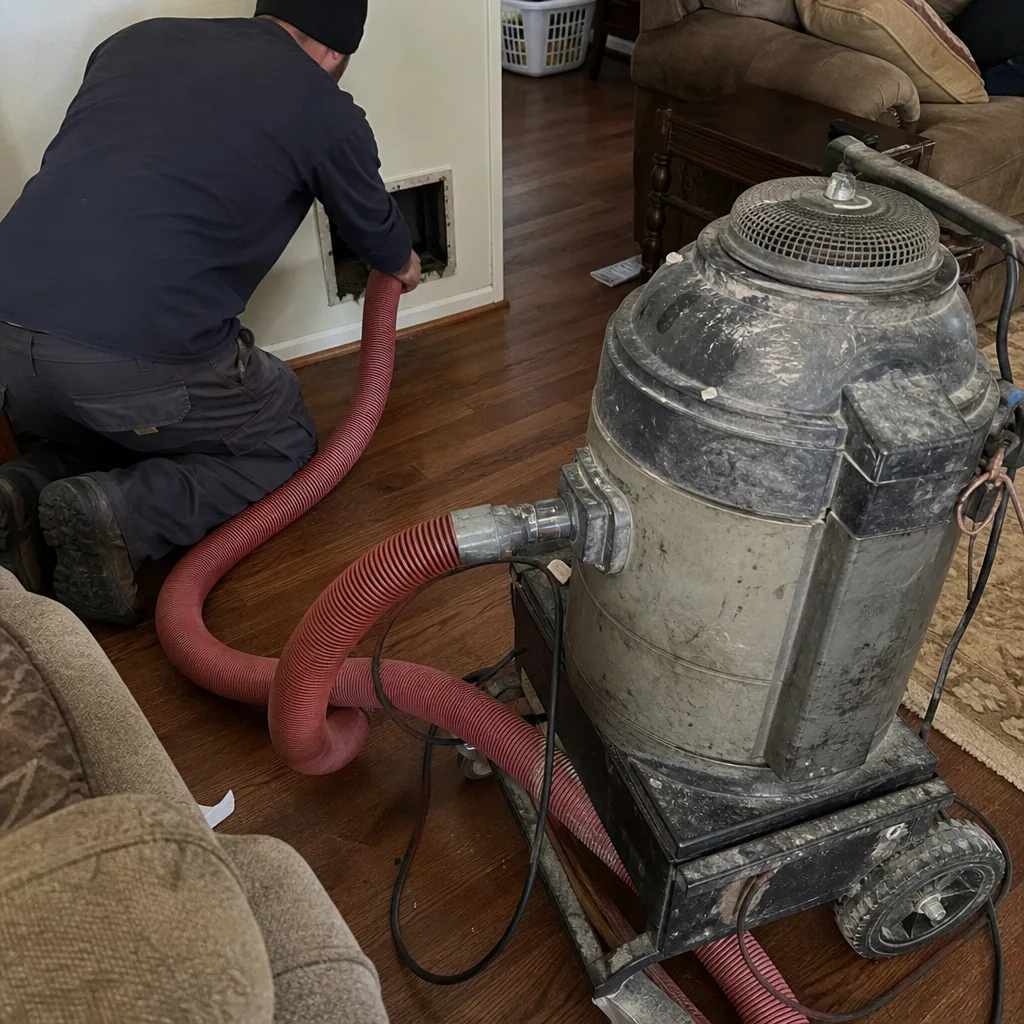
- Rotobrush rotary brush systems: A rotating brush head attached to a flexible shaft, connected to a vacuum source. The brush physically agitates debris off the duct walls while the vacuum pulls it into a sealed collection container. These are contact-based systems; you can see the brush head go into the ductwork.
- Nikro HEPA-rated vacuum units: Large canister vacuum systems with true HEPA filtration, typically mounted on a cart or trailer. The HEPA rating matters because it determines what particle sizes are captured rather than exhausted back into the room.
- Abatement Technologies negative-air machines: These create a pressure differential that keeps the workspace under negative pressure, so dislodged debris is captured rather than redistributed. You’ll see them set up outside the duct, not just at the vent.
What consumer equipment looks like
A big-box shop vac has a rigid hose and a filter rated to trap large particles. It cannot generate the airflow volume needed to move debris through a duct run, it doesn’t agitate the dust bonded to the walls, and it has no HEPA stage. It can make a vent look cleaner for a day while redistributing fine particulate into the room.
Why this matters more for flex duct than sheet metal
Flex duct has a corrugated plastic liner and a metal wire helix. The right rotary brush loosens debris without tearing the liner; a wire brush at the wrong pressure or speed can shred it, and a shop vac hose can kink and trap debris. Sheet metal ducts handle more aggressive contact, but the containment side still matters. If the contractor is cleaning without a negative-air setup on sheet metal, fine dust escapes into the room.
Ask directly: “Which Rotobrush or Nikro system will you bring?” The answer should be specific. If a contractor can’t name their equipment, they’re using something they’d rather not describe.
Red Flags in Pricing: Why a $200 Whole-House Quote Fails
A whole-house duct cleaning quote under $200 in the Hamilton Lakes market is almost always a teaser rate, not a real price. It rarely includes the scope a legitimate job requires: full-system evacuation, HEPA filtration, containment, and a written confirmation of what was done. What it typically buys is a technician who arrives with consumer equipment, cleans a handful of easily accessible vents, and leaves the majority of the system untouched.
The bait-and-switch mechanism follows a pattern. The low number gets the booking. Once the technician is inside, the discovery begins: “You’ve got mold here, we need to treat it,” “Your main trunk is contaminated, that’s a separate charge,” “We need to seal this run.” The original quote quietly doubles or triples. The homeowner is now mid-job, the equipment is set up, and saying no feels like calling it off.
Pricing red flags to watch for
- Any whole-house quote below $200 without a clear written scope attached
- Per-vent pricing rather than whole-system pricing (lets the contractor add vents on-site)
- Verbal quotes with no written documentation of scope, method, or vent count
- Pricing that excludes containment, HEPA filtration, or post-job confirmation
- Same quote offered across every home regardless of square footage, vent count, or duct condition
- Urgency tactics like “this price is only good today” or “we have a cancellation slot”
The right pricing model is a written, whole-system estimate based on your actual duct layout. It should state the vent count, the method, the containment approach, and what happens if contamination or damage is found. Get it in writing before anyone shows up. A contractor confident in their price will put it on paper. A contractor running a bait-and-switch won’t.
What a Legitimate Written Contract Includes
A written contract is the difference between a job you can hold a contractor to and a conversation you can’t reconstruct later. In an unlicensed trade, the contract is your only documentation. Here’s what it must contain.
- Scope of work: What’s being cleaned, what’s not, and any excluded areas like HVAC components or dryer vent unless specifically listed.
- Vent count: The specific number of supply and return vents included in the quoted price. This is the number bait-and-switch contractors inflate on-site.
- Method used: The equipment type (rotary brush, HEPA vacuum, negative air) and technique. This is what you asked about in the vetting stage; it belongs in the contract.
- Containment approach: How debris will be kept out of the living space during the job, and what equipment does that.
- Evidence of work: Commitment to before-and-after photos of your own ducts.
- Mid-job contamination protocol: What happens if mold, pest debris, or damaged ductwork is found. Written notice, documented findings, and a separate written approval before any additional work runs. No verbal upsells on-site.
- Post-job walkthrough: How the contractor confirms the work was done to your satisfaction, and what the remedy is if something wasn’t completed.
Ask to see a sample contract before booking. A contractor who hesitates or deflects this request is likely running an informal operation. The written document is the consumer protection in a trade where the state doesn’t provide one.
Hamilton Lakes Specifics: Climate, Housing, and Duct Systems
Duct cleaning in Hamilton Lakes runs into a few factors that shape how the work should be approached. Piedmont North Carolina’s climate cycles through humid summers and colder winters with a wide swing in indoor humidity, which affects condensation in ductwork, dust adhesion, and the material condition of flex duct over time. Duct systems running continuously through the summer carry more airborne particulate than systems in a drier climate because the moisture binds dust to duct walls instead of letting it drift to filters.
Housing stock around Hamilton Lakes ranges from mid-century homes with retrofitted ductwork to newer construction using flex duct. Older homes often have sheet metal trunk lines with additions and retrofits branching off, which makes full-system cleaning more involved than a straight run of flex. Newer flex duct systems are easier to damage if the wrong brush is used. A contractor who treats both the same way hasn’t inspected what they’re cleaning.
Attic duct runs are common in this part of the Piedmont. Attic ductwork runs hotter in summer, and the dust in those runs can be drier and more mobile than ductwork inside the conditioned envelope. Containment matters more, not less, when the cleaning equipment is working above the living space.
When you’re vetting a contractor in Hamilton Lakes, ask whether they’ve walked your specific duct layout before quoting. A quote given over the phone without seeing the system is an estimate of the average Hamilton Lakes home, not yours. The written quote should reflect the actual system in front of you, including attic runs, additions, and any flex section that requires gentler handling. That’s the first real test of whether they’re working from experience or from a price sheet.
Common Mistakes to Avoid
- Booking on price alone. A low quote is a signal to investigate scope, not a reason to book. A $150 quote that doesn’t include HEPA containment, full-vent coverage, or a written scope is not the same job as a $400 whole-system estimate that does.
- Skipping the equipment question. If you don’t ask which Rotobrush or Nikro or Abatement Technologies system is coming, you won’t know until they’re set up. Ask before you book, and treat “high-powered vacuum” as a non-answer.
- Accepting a phone quote on a system they haven’t seen. Duct layouts vary widely in Hamilton Lakes homes, from straight flex runs to multiple trunk lines and attic branches. An unseen quote is a guess, and guesses tend to grow on-site.
- Hiring a cleaning-only company when repair is likely. If your system has damaged flex liner or disconnected joints (common in older retrofits), a cleaning-only contractor will clean around the problem and leave it in place. Ask about duct repair and sealing before booking.
- Not requiring before-and-after photos. The photos are your proof the work was done. Without them, you’re relying on the contractor’s word for something you can’t see inside the walls.
- Ignoring mid-job scope creep. If a technician discovers contamination mid-job and wants to add work without a written addendum, stop. The written approval should come before the work, not after.
- Forgetting the dryer vent. The dryer vent is a separate fire and performance concern and is often overlooked in duct cleaning appointments. Ask up front whether it’s included.
The common thread across these mistakes is the same: the vetting step you skip is where a bad contractor gets control.
When to Call a Professional
You don’t need duct cleaning on a fixed schedule. You need it when something has changed. Call a professional in Hamilton Lakes if you’ve recently finished a renovation (drywall dust gets pulled into return ducts and stays there), if you’ve bought a home with unknown duct history, if you have family members with allergy or asthma sensitivity and symptoms have worsened indoors, if your dryer is taking noticeably longer to dry clothes, or if the visible dust around vents has shifted in color or volume.
Also call if you’ve had pest activity in the attic or any sign of mold near vents. Mechanical cleaning alone doesn’t remove biological contaminants; that requires sanitizing treatment on top of the physical work, and the two together are how a system actually gets reset. If you’re not sure whether you need cleaning at all, a professional assessment answers that faster than guessing. Air Duct Cleaning Hamilton Lakes offers free estimates in Hamilton Lakes. Call (877) 792-7445. We answer 24/7. Fast dispatch from 7am to 7pm, Sunday through Friday. The local pro is licensed and insured as their state requires, and pricing is set per job by the written estimate, agreed before any work starts.
See the difference
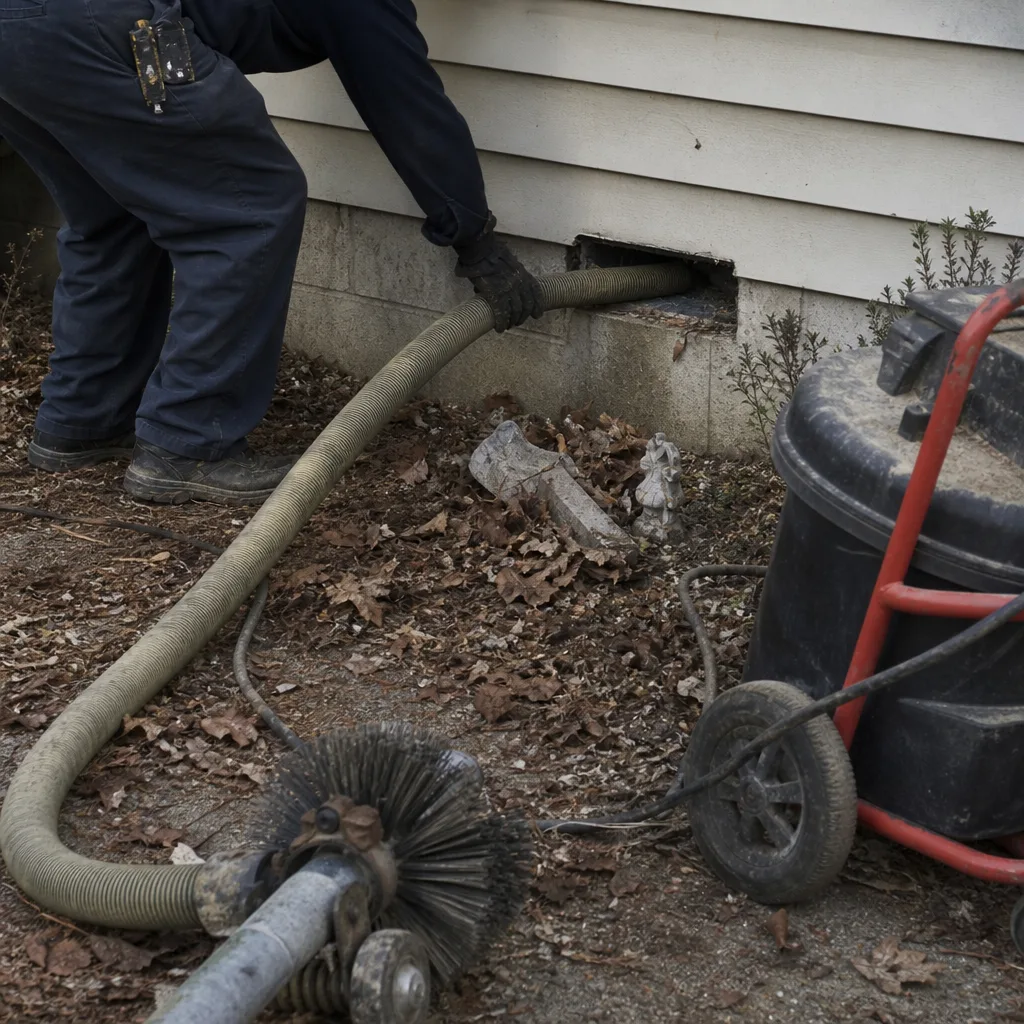 Before
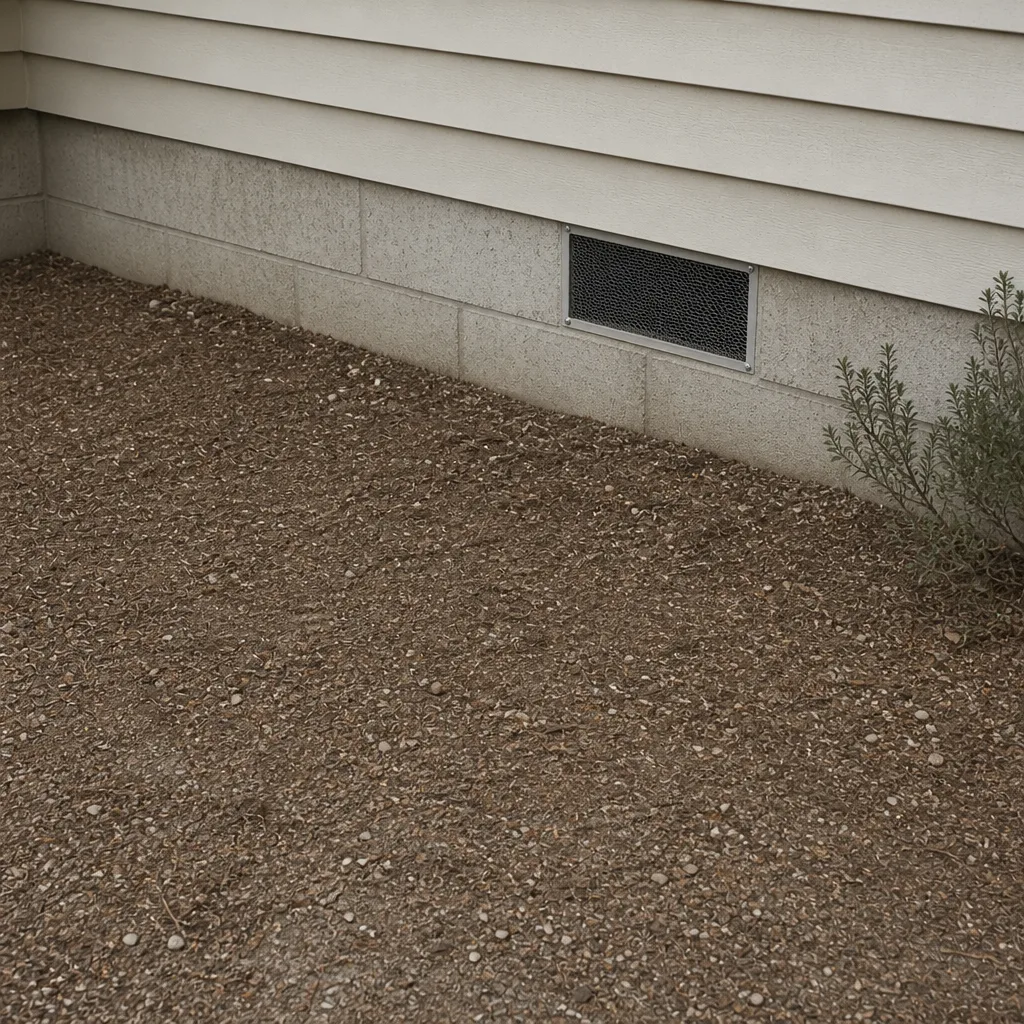 After
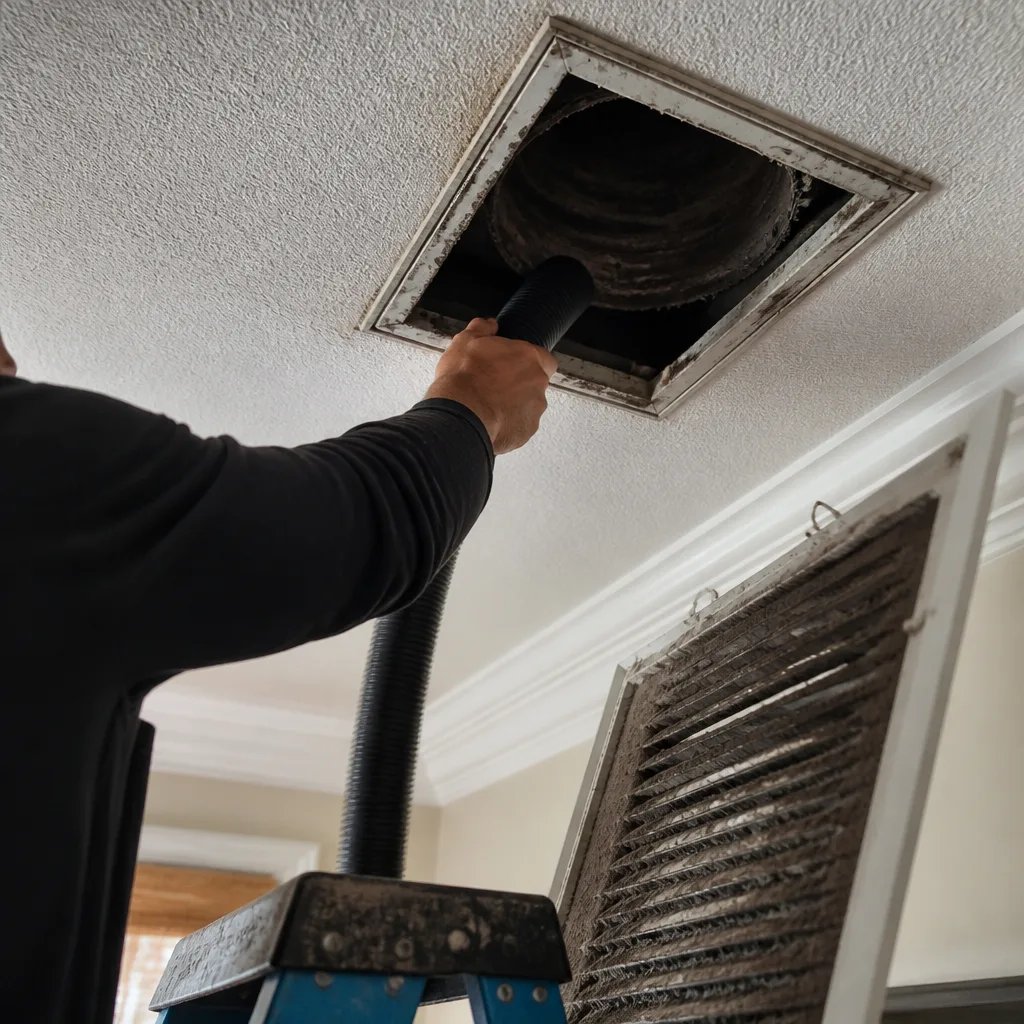 Before
 After
 Before
 After
Frequently Asked Questions
North Carolina does not require a license for air duct cleaning, so there’s no state credential to verify. That makes your own vetting the only safeguard: ask for a certificate of insurance, ask specific equipment and scope questions, and get a written contract before booking. Call (877) 792-7445 for a free estimate. We answer 24/7.
Typical whole-system cleaning estimates for a Hamilton Lakes home reflect the vent count, duct layout, and whether attic runs or repair work are involved, so the honest answer is that the written estimate sets the final price and you should be wary of any quote that doesn’t state its scope. A whole-house quote under $200 is a teaser, not a real price. Call (877) 792-7445 for an exact quote. Estimates are free.
Before-and-after photos of your own ductwork are the direct evidence. Ask for them in the written agreement before booking. A contractor who photographs the interior of your ducts before and after has documented the work; one who doesn’t is asking you to take it on trust. Call (877) 792-7445 to book an estimate. We answer 24/7.
Cheap quotes usually exclude scope: fewer vents, consumer-grade equipment, no HEPA filtration, no containment, no written contract. The low number is the hook, and the discovery-phase upsell on-site is where the real cost appears. Compare quotes on scope and method, not the headline number. Call (877) 792-7445 for a written whole-system estimate.
Professional-grade systems: a Rotobrush rotary brush unit for contact cleaning, a Nikro HEPA-rated vacuum for filtration, and Abatement Technologies negative-air equipment for containment. These are the brands used in commercial and remediation work, not retail shop vacs. Ask the contractor to name theirs before booking. For a free estimate with ours, call (877) 792-7445.
It can reduce the debris and particulate circulating through the system, and for households with allergy or asthma sensitivity, that reduction matters. Mechanical cleaning handles physical debris; biological contaminants like mold spores and bacteria need sanitizing treatment after the physical work. The two together are the full picture. Call (877) 792-7445 for an assessment.
There’s no fixed interval that fits every home. Call when something has changed: a recent renovation, a new home purchase, visible dust shifts, pest activity, or worsening indoor allergy symptoms. Homes with pets, recent construction, or ongoing humidity issues may need it sooner than a home with none of those factors. Call (877) 792-7445 to assess your situation. Estimates are free.
The Bottom Line
Hiring a duct cleaner in Hamilton Lakes comes down to one structural fact: there’s no state license to check, so the questions you ask and the documentation you demand are the entire safety net. Name the equipment. Confirm duct repair and sealing is in scope, not just cleaning. Get a written contract that spells out vent count, method, containment, and the mid-job contamination protocol. Watch for sub-$200 whole-house quotes and per-vent pricing. Require before-and-after photos. Do those five things consistently and you’ve done more quality control than the state requires, which here is nothing at all. Our technicians have up to 11 years of experience, and we’re glad to walk you through the equipment and scope before you decide. That’s how air duct cleaning should be hired in Hamilton Lakes.
Air Duct Cleaning Hamilton Lakes handles five core services under one roof: Air Duct Cleaning Hamilton Lakes, dryer vent cleaning, HVAC cleaning, Duct Repair & Sealing, and Air Quality & Sanitizing. That means a single visit can address your ducts, dryer vent, HVAC components, structural duct issues, and air quality in one appointment. We use professional equipment from Rotobrush, Nikro, and Abatement Technologies, and we’re familiar with Honeywell, Aprilaire, and Guardsman air quality products for filtration and sanitizing. One flat price per system agreed before work starts, before-and-after photos of your own ducts, and a satisfaction guarantee.
Call (877) 792-7445 for a free estimate. We answer 24/7. Fast dispatch from 7am to 7pm, Sunday through Friday. The local pro is licensed and insured as their state requires.
Written by the team at Air Duct Cleaning Hamilton Lakes.